
Venture Takes
58 essays on venture takes.
Venture Takes essays

AI Is Advancing Faster Than the Control Systems
Frontier AI risk is not only about intelligence getting stronger. The bigger gap may be the missing control plane around autonomous agents: identity, permissions, monitoring, security and governance.

Isar Aerospace Just Reached Orbit, Why It Matters?
Isar Aerospace reached orbit from continental Europe. Here is why the milestone matters for launch, defence demand, satellite services and the next wave of space winners.

Sovereign AI Is All About Control
Sovereign AI is not just a government story. From Mistral to Latham & Watkins, the real question is how much of the AI stack countries and companies actually want to control.
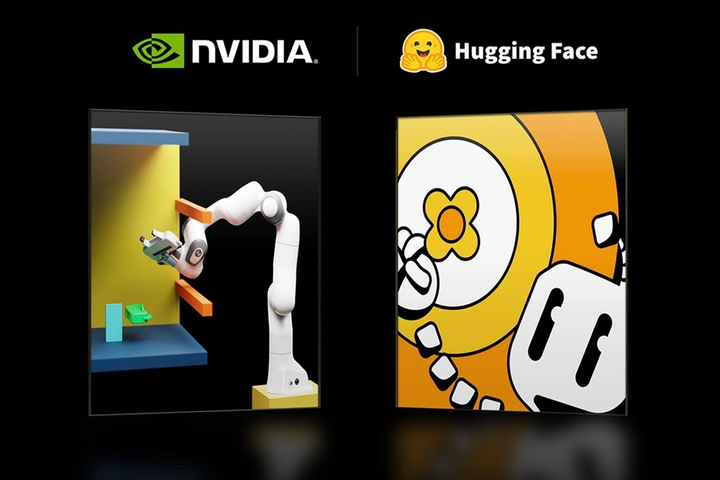
NVIDIA × Hugging Face: Synergies Breakdown
Why NVIDIA is paying $12.9B for Hugging Face, what each side gets, how the valuation makes sense strategically, and why neutrality is now the key question.
Fun Test on the Most Powerful AI Models: Fable 5, Sol 5.6, Kimi K3 and Gemini 3.1 Pro
Fun game test on Fable 5, Sol 5.6, Kimi K3 and Gemini 3.1 Pro, and my experience with these models.
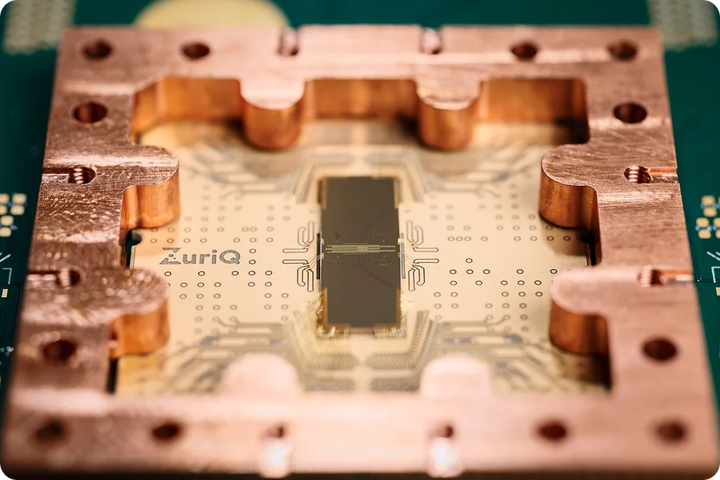
Nine Atoms, Two Dimensions: ZuriQ’s Quantum Breakthrough
A tiny Swiss startup just raised $25.5 million on a bet that has little to do with who has the biggest qubit count today—and everything to do with how quickly that count can grow.

Kimi K3 Controversy: Fable 5, Distillation and the Open-Weight War
The Kimi K3 controversy has turned open-weight AI into a fight over business models, intellectual property, export controls and technological sovereignty.

NVIDIA Landing a Moon Deal is just the Smallest Part of a Much Bigger Build
Inside NASA's Moon Base plan, and the 37 companies quietly building the parts nobody's talking about.
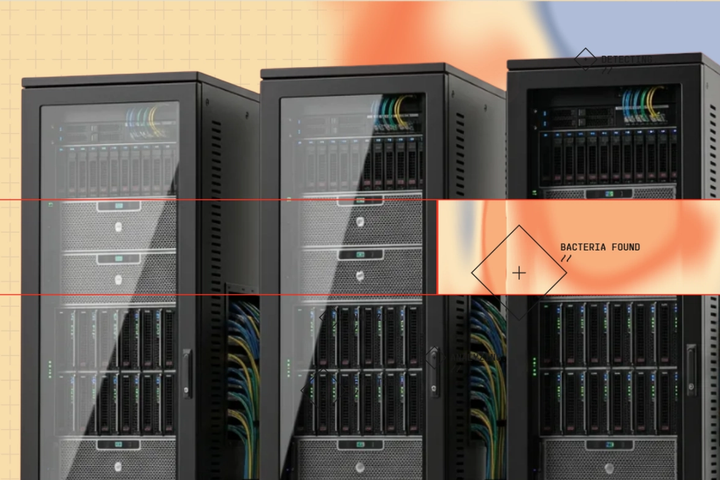
Omen AI: A Real-Time Blood Test for AI Data Centers' Coolant
A 20-year-old founder raised $41 million to monitor whether the fluid inside AI cooling systems can still be trusted.

When the Hacker Is Inside Your Prompt
AI is becoming a new cybersecurity attack surface. From prompt injection and poisoned data to over-permissioned agents, this post breaks down how AI systems are attacked, who is building the defences and where the venture opportunities may sit.
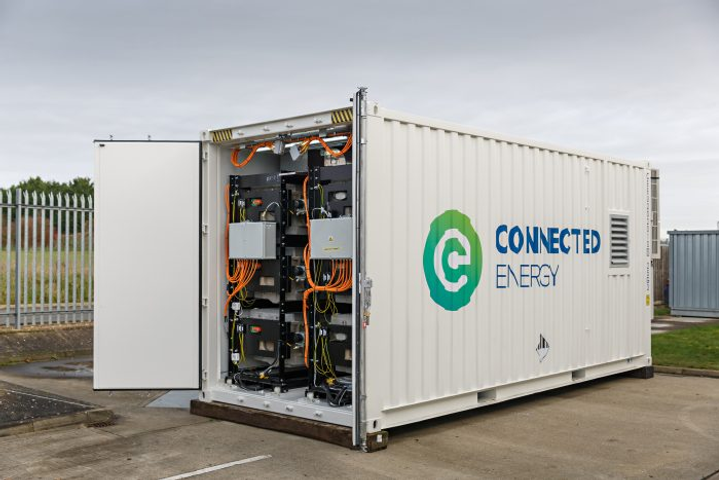
Intrinsic Power: The Capacity Hiding in Plain Sight
Intrinsic Power is building an AI-controlled power platform for EV charging, commercial buildings, defence sites and AI data centres.

Drone Delivery Has Been "Five Years Away" for a Decade
The technology finally works. The economics don't — except in very specific places. After a decade of promises, billions deployed, and a long graveyard of failed operators, here's how to read the drone delivery landscape in 2026.
Gradium: Free Recipe, Paid Kitchen
Gradium just raised $100m to sell a technology it already open-sourced. Is that genius, or a warning sign?
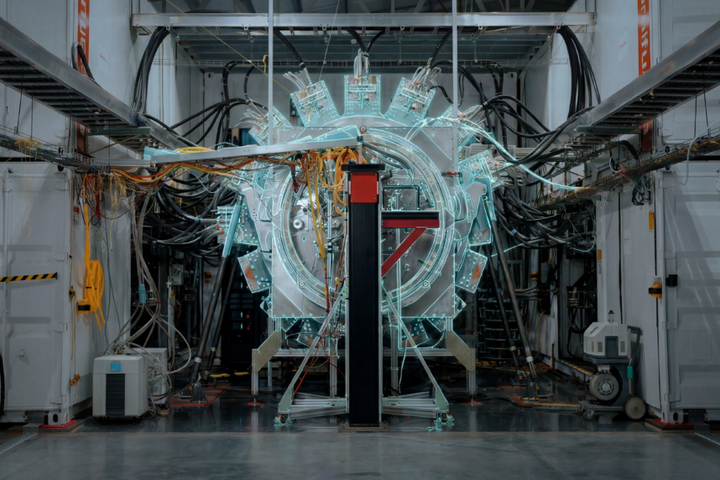
General Fusion SPAC IPO: The Deep Tech Funding Trap Explained
General Fusion is going public via SPAC. Read the press release and it sounds like a milestone. Read the SEC filings and a different picture emerges. This is what the deep tech funding trap actually looks like — and what it signals for the fusion sector.
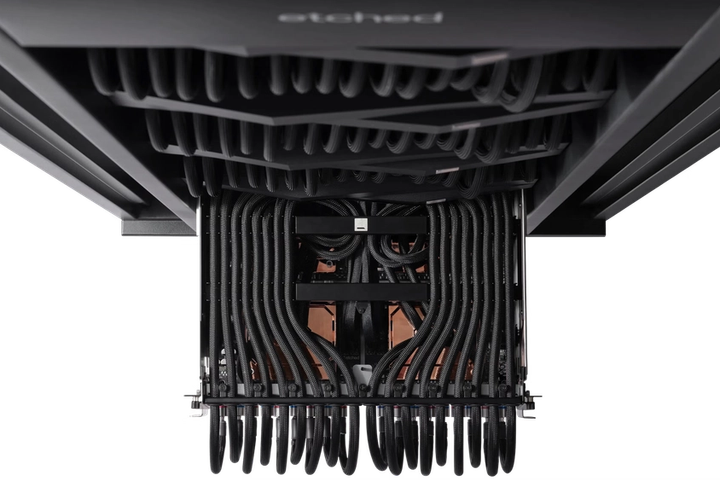
Etched Comes Out of Stealth Already a Giant
Etched came out of stealth with working racks, a successful A0 tapeout, more than $1bn in customer contracts, $800m raised, and a bold thesis: the next AI bottleneck is frontier inference, not just model training.
Patronus AI: Inside the Digital Dojo for AI Agents
Patronus AI is betting that the next bottleneck in AI is not model intelligence, but agent practice. Its Digital World Models create simulated software environments where AI agents can train, fail, and be verified before touching real systems. The wedge is clear. The moat is the harder question.
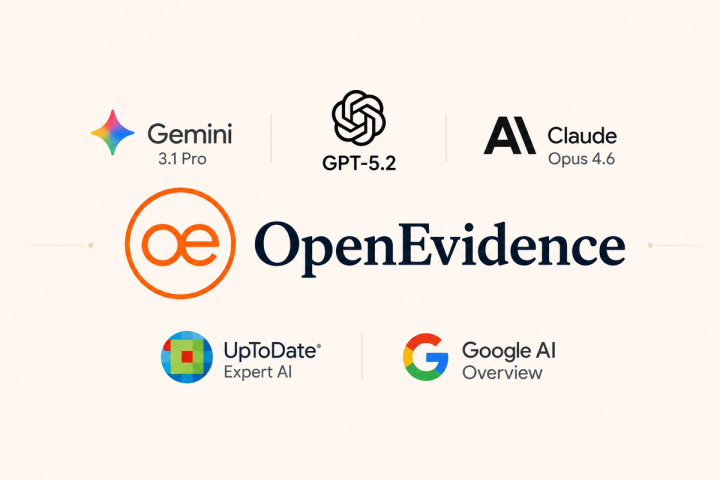
The OpenEvidence Plot Twist
A Nature Medicine study found that general-purpose frontier models outperformed specialised clinical AI tools. The real lesson is not that vertical AI is doomed — it is that specialisation only matters when it makes adoption easier and outcomes better.
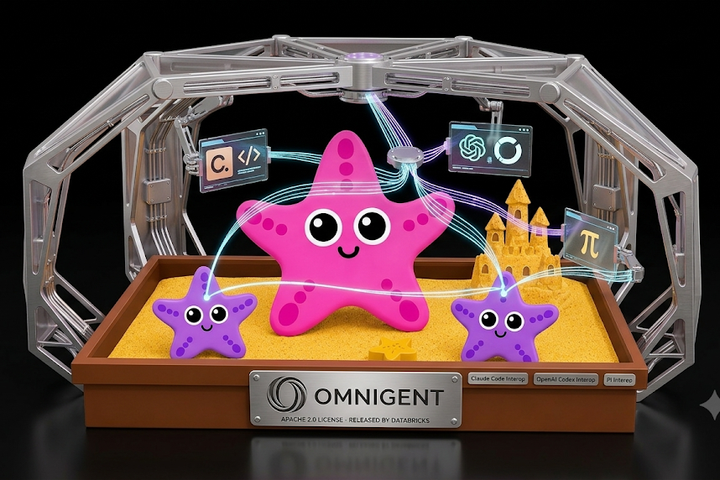
Omnigent: Databricks Just Built the Control Tower for AI Agents
Databricks’ Omnigent is not another AI agent. It is a control layer for managing many agents at once — a signal that the next AI infrastructure battle may be about orchestration, governance, and enterprise trust.
Pick Your Stack, Not Just the Model
AI startups aren't differentiated by which model they use anymore. The real decision is the stack around it — how they access a model, layer retrieval, routing, and fine-tuning on top, and manage the cost, data, and trust trade-offs that follow.

Brake or Catalyst? What the Numbers Actually Say About UK Deeptech Regulation
A clear, data-led look at whether UK regulation helps or holds back deeptech startups, covering energy, medtech, grid queues, late-stage capital, and the gap between policy ambition and deployment reality.

YC’s Latest Signals: Software Dominance, Fintech Momentum, and Physical AI
YC still looks software-led, but the signal underneath is shifting. Fintech is accelerating, physical AI is becoming more visible, and founder attention is moving toward infrastructure-heavy markets.
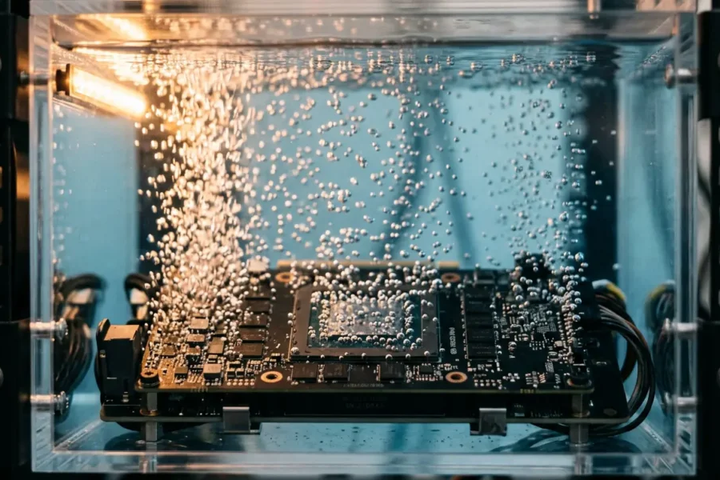
Ferveret: Cooling AI With a Page From the Nuclear Playbook
Ferveret is tackling one of AI’s less glamorous but increasingly critical bottlenecks: cooling the physical infrastructure beneath smarter models.

SaaS After AI: From Software Moats to Workflow Moats
AI is changing enterprise software from static systems of record into active systems of work. The opportunity is no longer just building faster, but understanding workflows deeply enough to create trusted, context-rich products.

AI Governance and the Bullet Some Startups Will Dodge
A Silicon Valley insider just broke ranks. Here's what AI governance actually means, why the industry is spending nine figures to suppress the debate, and which startups come out alive when the rules arrive.

Most Companies Are Not Ready for the AI They Bought
The problem is not that businesses do not believe in AI. Most of them do. The problem is that leadership ambition is still running ahead of employee readiness, workflow redesign, and trust.
The AI Infrastructure Crisis: The Boring Bottlenecks Creating the Next Startup Wave
AI’s next bottleneck is not just models. It is power, data centers, cooling, chips, manufacturing, and the physical infrastructure needed to make AI compute real.

SpaceX May Be Overvalued — But I Still Would Never Short It
Because I do not think people are buying SpaceX only for today’s profitability. They are buying what SpaceX represents. They are buying launch dominance, Starlink, defence relevance, long-duration space infrastructure, and the belief that the company is laying the groundwork for something much bigger than current earnings.

Cybersecurity Is the Real Bottleneck of Advanced AI Deployment
Because the moment AI moves from demo mode into real execution, it stops being just a model problem and becomes a trust, control, and infrastructure problem.
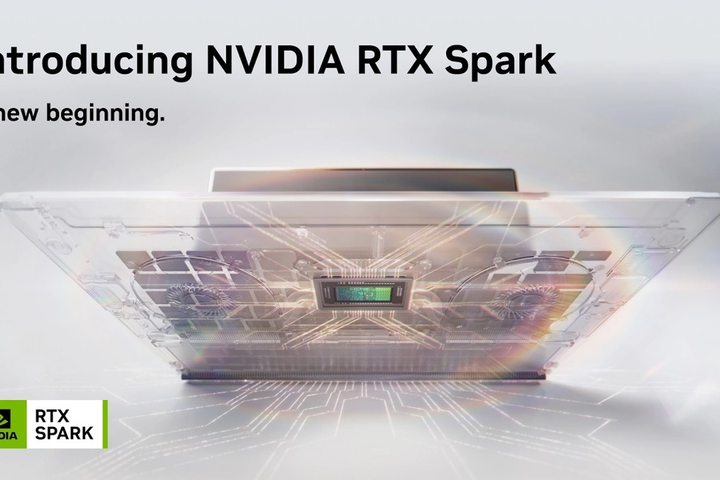
Nvidia RTX Spark: Ambitious Bet, Expensive Question
RTX Spark is Nvidia’s attempt to create a new kind of premium laptop platform: one that combines Arm-style efficiency, much stronger graphics, and serious local AI capability in a thin device.

Tokenmaxxing is a flawed idea
I think tokenmaxxing is one of the dumbest ways to think about AI adoption.

London vs Paris: Who Really Owns Europe’s Tech Crown Right Now?
The London-versus-Paris tech debate has become weirdly fun because both sides are kind of right.
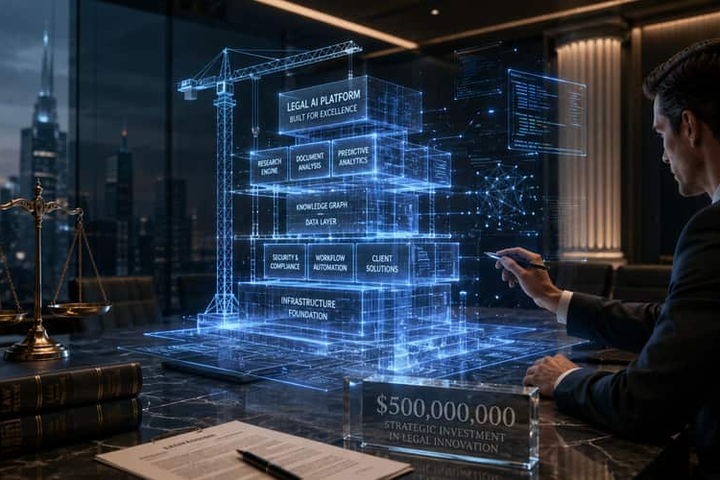
Kirkland’s $500M AI Bet Is Really a Data Bet
Kirkland is betting that in legal work, proprietary data beats generic intelligence. And honestly, that may be the most important shift in the whole industry.

The AI Research Race Is Becoming Game of Thrones
The real conflict in AI is no longer just model versus model. It is mission versus money, research versus commercialization, and trust versus control.
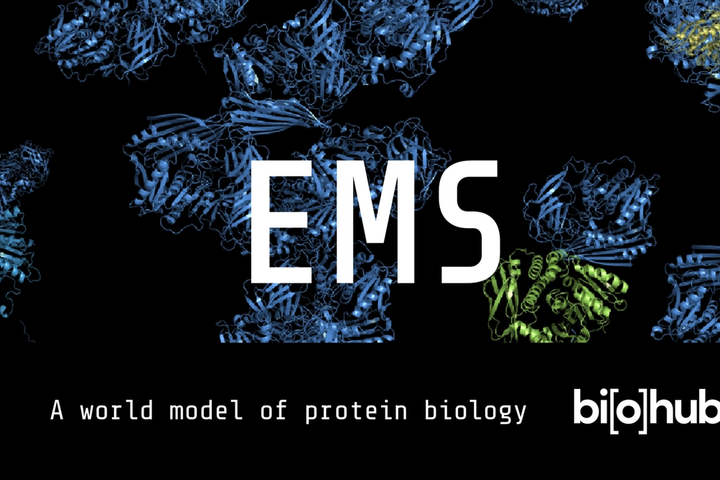
Biohub and the Dream of a Virtual Cell
If virtual cell and protein world models work, we could move from reactive sick care to predictive medicine: detecting instability earlier, testing interventions virtually, and understanding disease as a system-level drift before it becomes visible damage.

Huxe vs. Spotify: When Big Tech Eats Your Feature
Huxe, an AI podcast generation app, is shutting down, just as Spotify announced new AI features around personal podcasts and AI-generated audio experiences.

Europe Wants Safe AI. But Startups Need Clear Rules, Not Regulatory Fog
Europe does not need no regulation. It needs clearer regulation.
No Jobpocalypse, Just Workflow Dystopia
So the real question is not only “will AI replace jobs?” It is “How AI is reshaping job markets?”

Hark: the $700M bet on a secretive AI-native hardware that knows you deeply
My read is that Hark is building an AI assistant deeply embedded into your device — something like GPT meets Siri

Taiwan Has Become the Sacrifice Pawn After Trump's Visit to China
Just in case you wonder what happen to Taiwan, here is my short summary

Monzo in Spain: Cute Bank, Late Entrance?
Monzo is not too late to enter Spain, but it is too late to win with a basic neobank playbook.

Multiverse raising $70M at a $2.1B valuation is a very shiny headline
And if they can prove measurable productivity gains before the tooling layer gets fully commoditised, then the real story is not the valuation. It is whether they can become the behaviour-change infrastructure for enterprise AI.

Does my AI love me the way I love it?
We may be using the wrong human words to describe machine states.
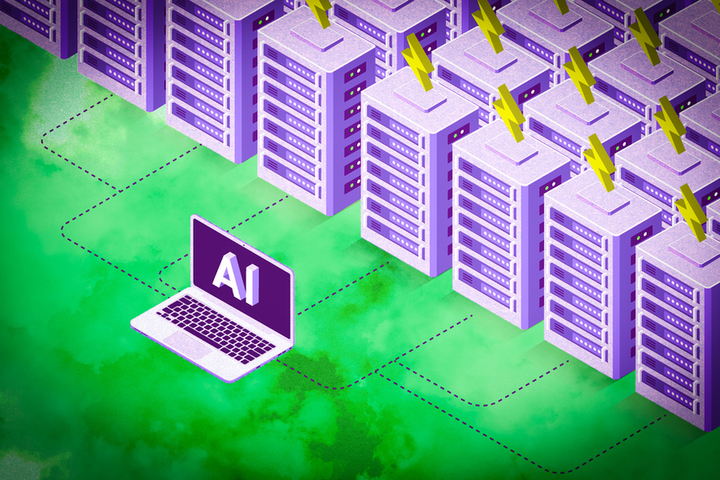
Is AI absorbing all the vertical sectors?
So maybe the future is not “AI versus every other sector", it is: everything becomes AI-adjacent, AI-enabled, or AI-native.
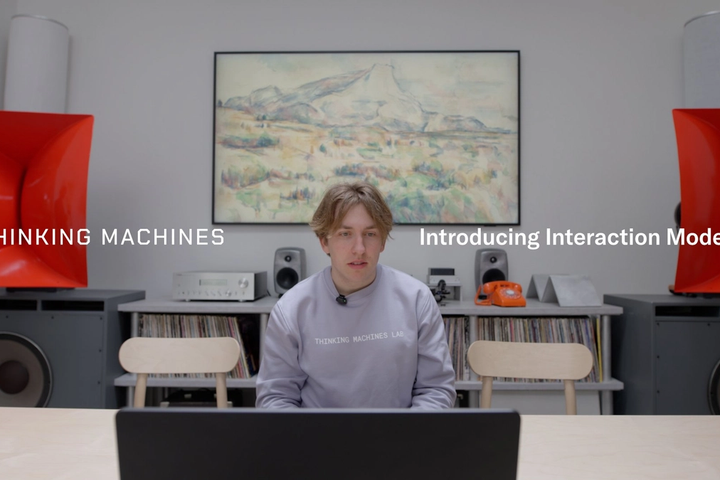
Thinking Machines Lab: Not a Chatbot, Maybe a Real Collaborator
In short word: They are building a real collaborator who can listen, watch, talk to you and think at the same time. No longer just a chatbot.

Anthropic x SpaceX: AI’s Pride and Prejudice Era
Like water systems, electricity grids, or telecom networks, compute is becoming the foundational layer that modern intelligence runs on.

Isomorphic Labs and the $2.1B Bet on AI Pharma
AI drug discovery is moving from cool platform story to execution mode.

SpaceX x Cursor: When AI Coding Hits the Compute Wall
SpaceX’s reported Cursor deal could turn AI coding into a key part of its IPO story. Here’s how Cursor solves a compute problem, strengthens xAI/Grok, and reshapes the AI developer tooling market.

Cerebras IPO: The “Not Nvidia” AI Chip Bet
Cerebras going public is more than another AI IPO. It is a bet that the AI infrastructure market is finally big enough to support serious alternatives to Nvidia.
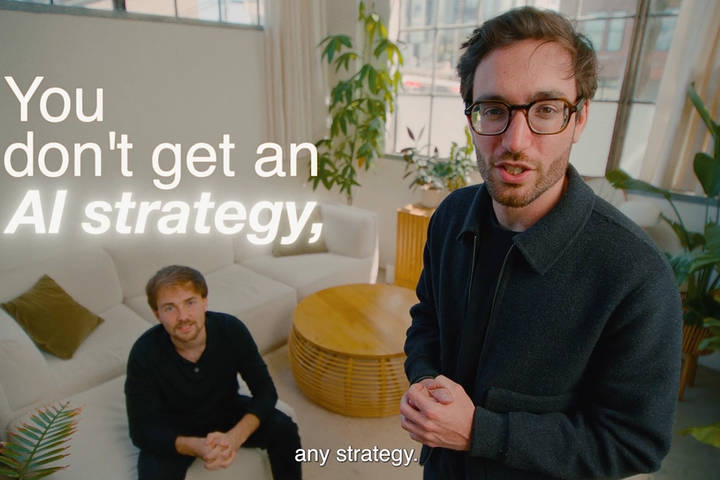
Foaster AI might be MBB’s worst nightmare
Because if AI can first diagnose how a company works, then train every employee based on their actual workflow, it starts moving beyond software. It becomes a scalable, personalised transformation engine.
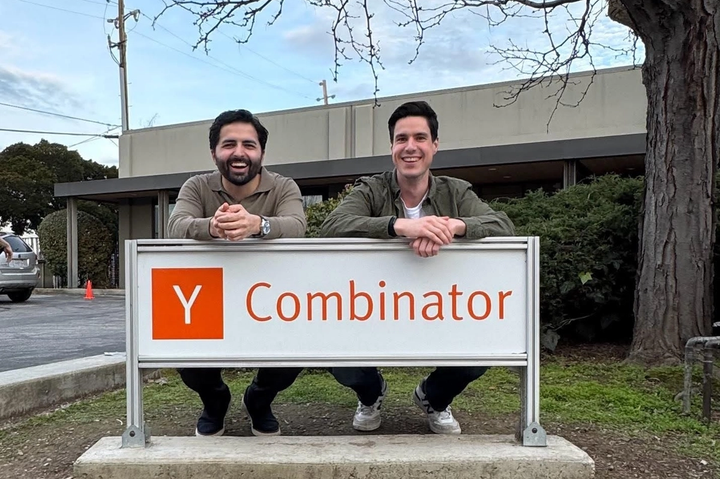
Moritz - If they won’t adopt the software, become the category
Instead of selling software to law firms, Moritz decided to become the law firm themselves.

CORGI CAFÉ: GENIUS GTM MOVE OR A RIDICULOUS SPLASH OF CASH?
After Corgi hit unicorn status, the insurtech startup celebrated in the most Silicon Valley way possible: by opening a 24/7 café for founders and startup people.

Fundraising Is a Vibe Check, Not Pure Logic
Momentum makes investors afraid to miss it.

Why is Seamflow my favorite example Agentic AI start-up?
Because it solves the kind of workflow pain that makes people want to scream into a spreadsheet.

Yann LeCun Thinks LLMs Are Not the Final Boss
Yann Lecun World Model AI challenges the LLMs dominance
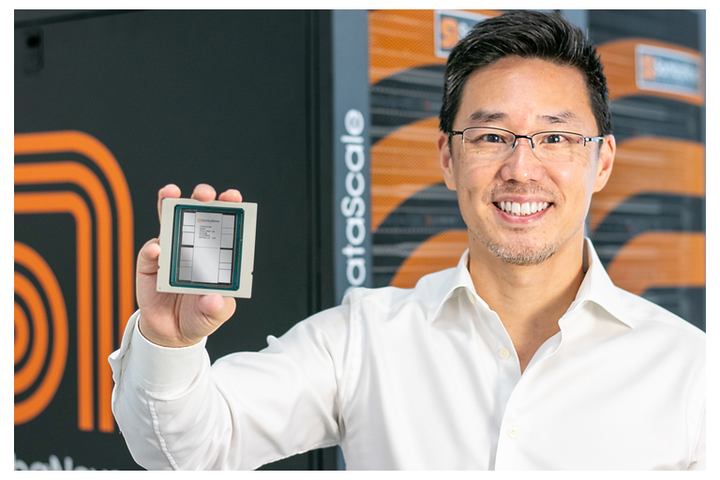
SambaNova: What Killed the AI Chip Dream?
SambaNova raised $676 million at a $5.1 billion valuation in 2021. Four years later it was exploring a sale at a fraction of that price. Here's what happened — and what it reveals about the near-impossible task of competing with Nvidia.

Your package has arrived at SPACE ZYZXAE99982
Now the better question is: can we make space useful, repeatable, and commercially scalable?

The Next AI Winners Won’t Be the Most Complicated Ones
Not the loudest technology. Not necessarily the most technically insane breakthrough. But the products that make AI feel usable, visual, guided, and almost stupidly easy.

AI Agents Are the Second Phase of the AI Revolution
The chatbot era made AI feel intelligent. The agent era will make AI feel useful. And the physical AI era? That is when software finally grows arms and legs.