
Huxe vs. Spotify: When Big Tech Eats Your Feature
Huxe, an AI podcast generation app, is shutting down, just as Spotify announced new AI features around personal podcasts and AI-generated audio experiences.
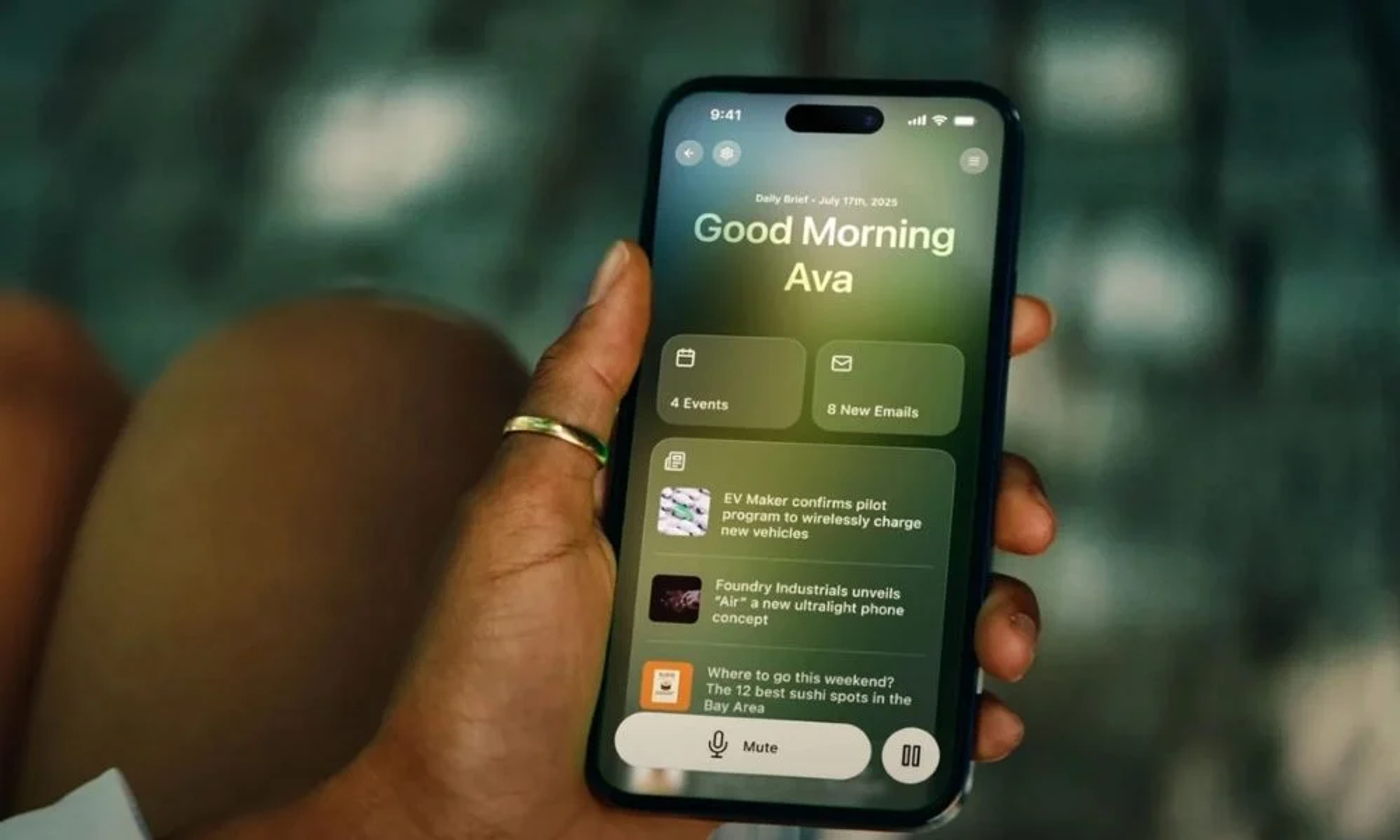
Huxe, an AI podcast generation app built by former NotebookLM developers, is shutting down. The timing is almost painfully symbolic: it happened just as Spotify announced new AI features around personal podcasts and AI-generated audio experiences.
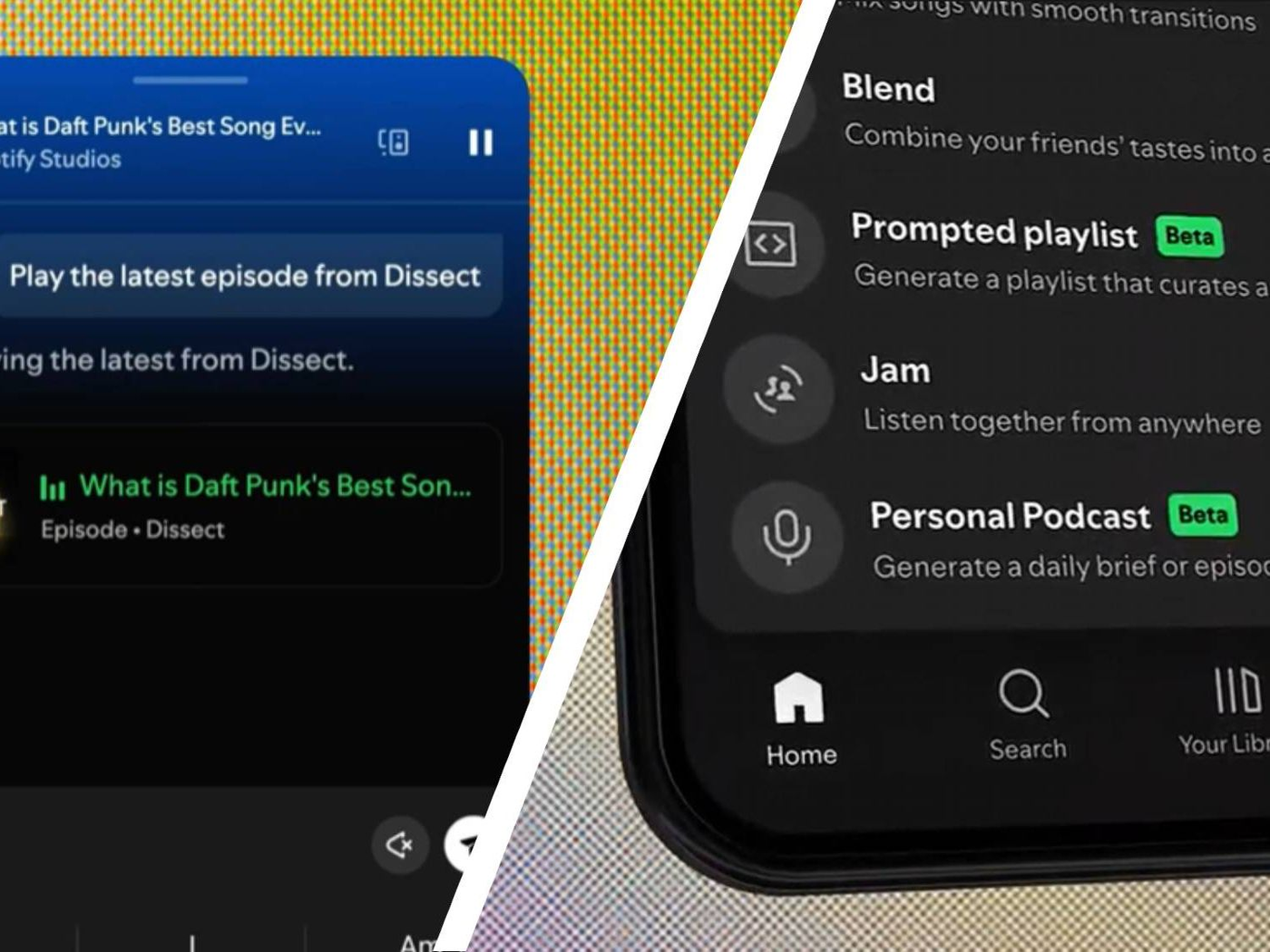
Spotify’s new Studio app can generate daily briefings and podcasts from prompts, listening history, and connected apps like email and calendars, while its upcoming Personal Podcasts feature will create AI-generated episodes inside the Spotify ecosystem.
This is not just a sad little startup story. It is a warning.
A lot of AI startups today are not really building companies yet. They are building features. And if the feature is easy for a giant platform to copy, bundle, or distribute to millions of existing users, the startup’s life gets very hard very fast.
Huxe had a smart idea: turn information into personalised audio. But Spotify already owns the audio habit, the user base, the library, the recommendation layer, and the distribution channel. Amazon is also moving into AI-generated podcasts through Alexa+. Google already has NotebookLM. Microsoft has Copilot Podcasts. Suddenly, “AI podcast generation” is not a standalone category anymore. It is becoming a feature inside platforms people already use.
That is the brutal reality for many AI startups.
If your product is only one function, and that function can be added by Spotify, Google, OpenAI, Amazon, Apple, Microsoft, or Meta, then you are not competing with another startup. You are competing with distribution, default behaviour, data access, and bundled pricing.
This does not mean startups cannot win. But they need more than a cool demo. They need a wedge that is hard to copy: proprietary data, deep workflow ownership, regulated expertise, strong community, unique distribution, enterprise trust, or a product that becomes part of the user’s daily operating system.
The Huxe case shows the difference between a feature and a company.
A feature can impress people.
A company owns a market, a workflow, or a relationship.