
WELCOME TO MY PAGE!
A tiny intro before you land. Heads up, this is PERSONAL blog!
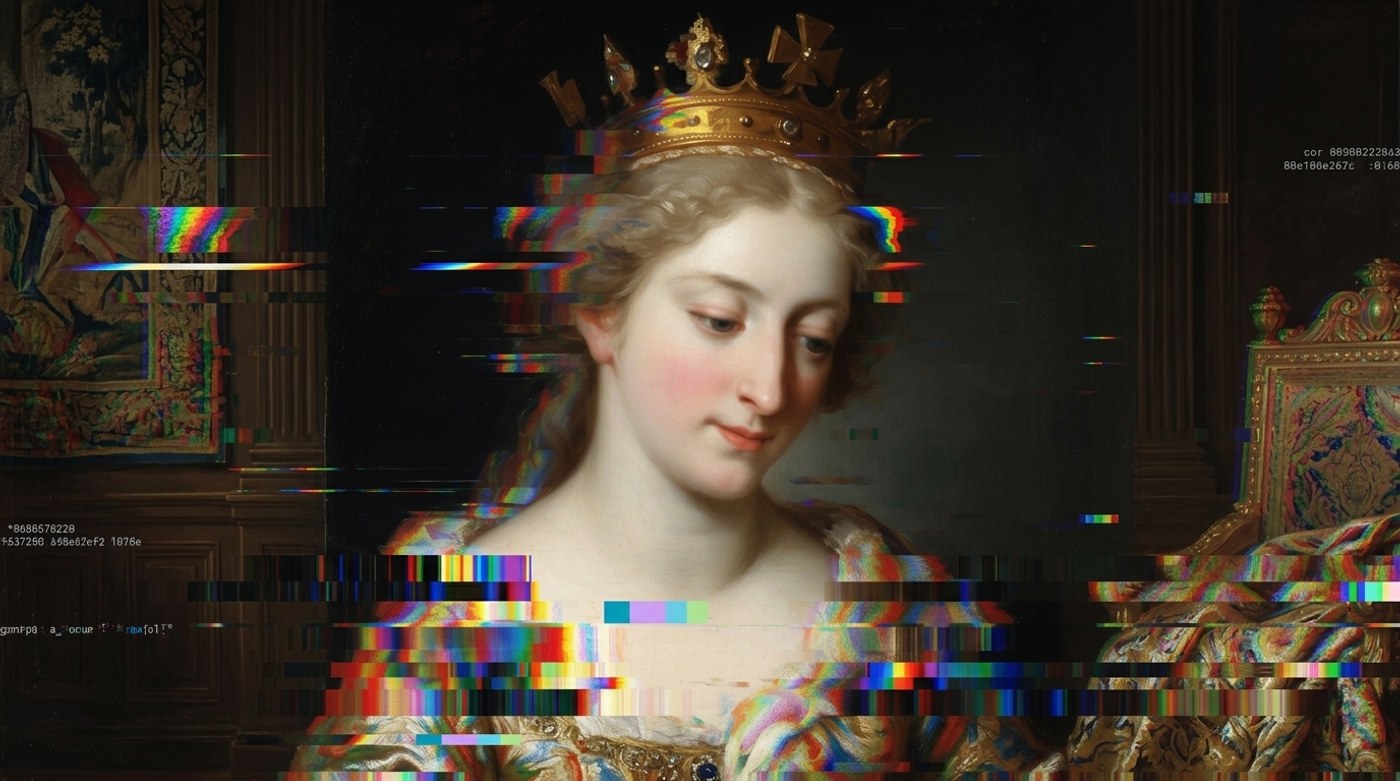
Sovereign AI Is All About Control
Sovereign AI is not just a government story. From Mistral to Latham & Watkins, the real question is how much of the AI stack countries and companies actually want to control.
TOPIC SELECT
DAILY NEWS

VENTURE TAKES

AI Is Advancing Faster Than the Control Systems
Frontier AI risk is not only about intelligence getting stronger. The bigger gap may be the missing control plane around autonomous agents: identity, permissions, monitoring, security and governance.
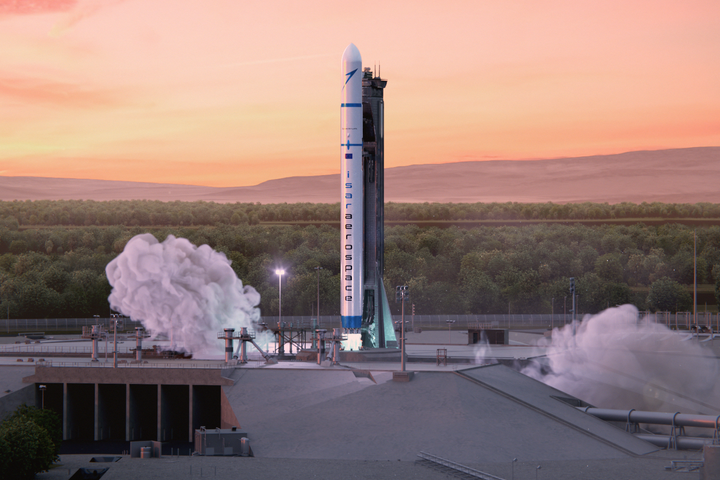
Isar Aerospace Just Reached Orbit, Why It Matters?
Isar Aerospace reached orbit from continental Europe. Here is why the milestone matters for launch, defence demand, satellite services and the next wave of space winners.
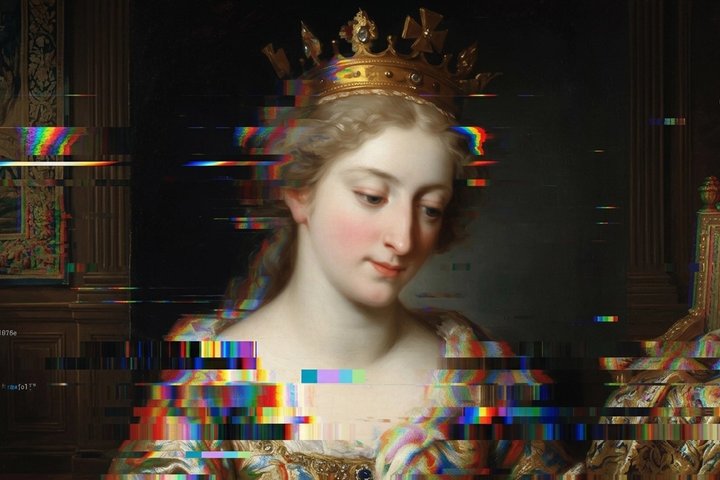
Sovereign AI Is All About Control
Sovereign AI is not just a government story. From Mistral to Latham & Watkins, the real question is how much of the AI stack countries and companies actually want to control.
SERIES 101
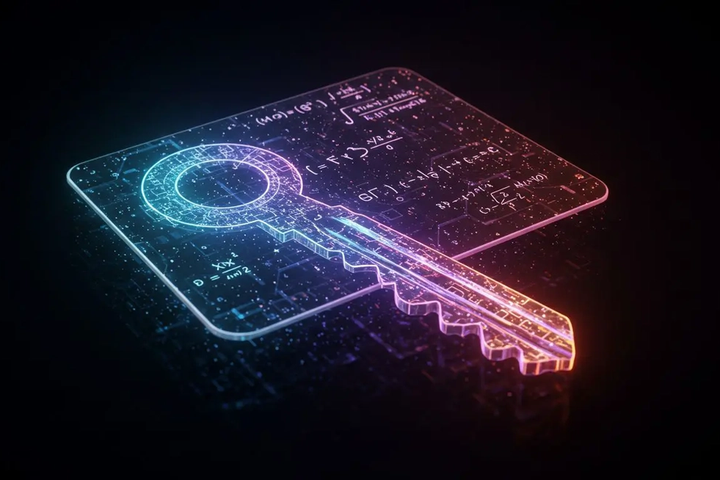
Quantum 101: QKD vs PQC — The Encryption Civil War
One rewrites the maths. One rewrites the physics. Governments are spending billions on rival plans to keep encryption safe from quantum computers.
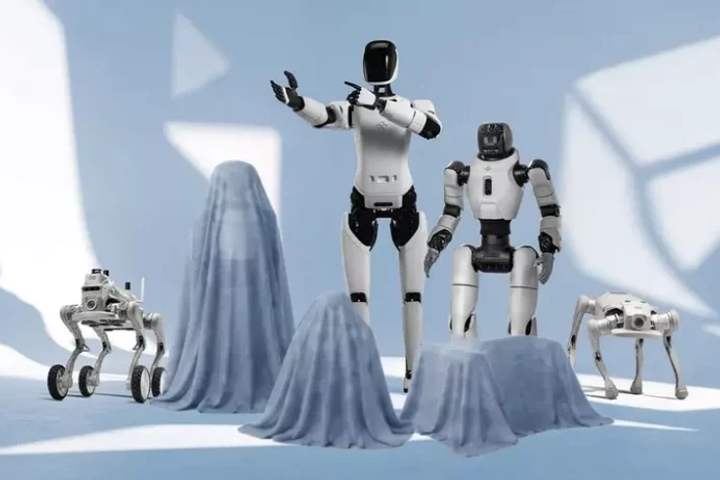
Physical AI 101: Signals Behind the Robotics Mega-Rounds
Robotics mega-rounds are multiplying, but the real signal is not that humanoids are suddenly everywhere. Physical AI is scaling first in structured environments—and the quieter opportunity may sit in the infrastructure and post-deployment stack.
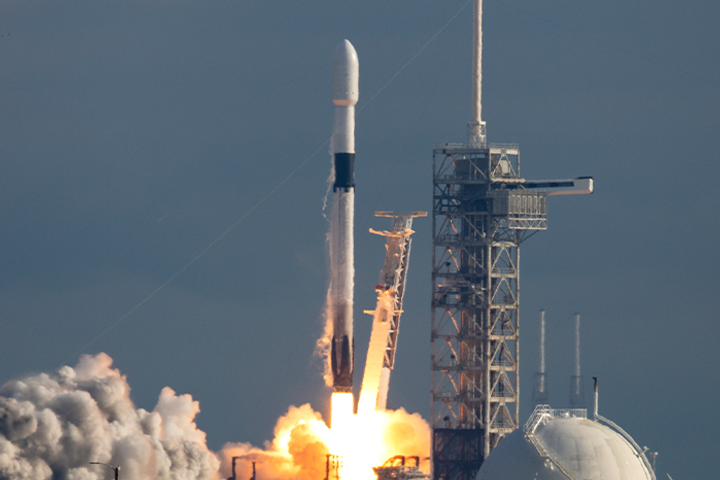
SpaceTech 101: How Reusable Launch Changed the Space Economy
Rockets used to be fireworks — light once, watch, forget. Then a handful of very stubborn engineers taught them to come home. Here's the tech, the roster, and what it actually means for your portfolio.
🎮 MY FAVORITE START-UPS
Each row shows a real funding stage and round size. Drag the name cards into the slot you think matches. Hit SUBMIT to reveal the answers.
ENTER YOUR EMAIL
TO CONTINUE
One pixel-perfect essay every Sunday. No noise, no boss fights.