
Series 101
22 essays on series 101.
Series 101 essays

Quantum 101: QKD vs PQC — The Encryption Civil War
One rewrites the maths. One rewrites the physics. Governments are spending billions on rival plans to keep encryption safe from quantum computers.
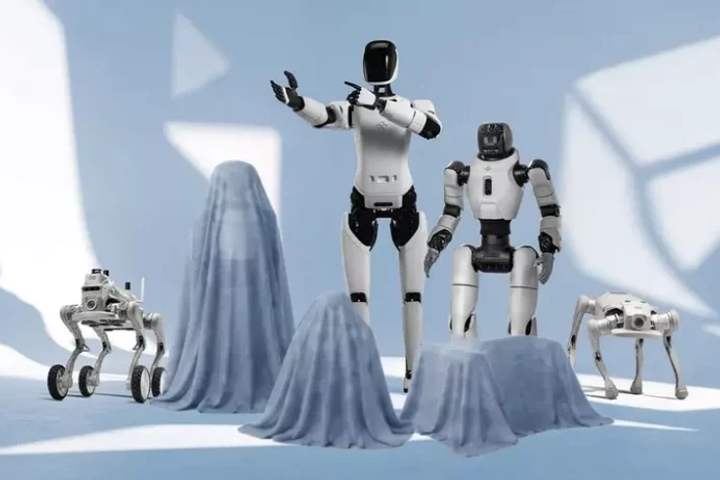
Physical AI 101: Signals Behind the Robotics Mega-Rounds
Robotics mega-rounds are multiplying, but the real signal is not that humanoids are suddenly everywhere. Physical AI is scaling first in structured environments—and the quieter opportunity may sit in the infrastructure and post-deployment stack.

SpaceTech 101: How Reusable Launch Changed the Space Economy
Rockets used to be fireworks — light once, watch, forget. Then a handful of very stubborn engineers taught them to come home. Here's the tech, the roster, and what it actually means for your portfolio.
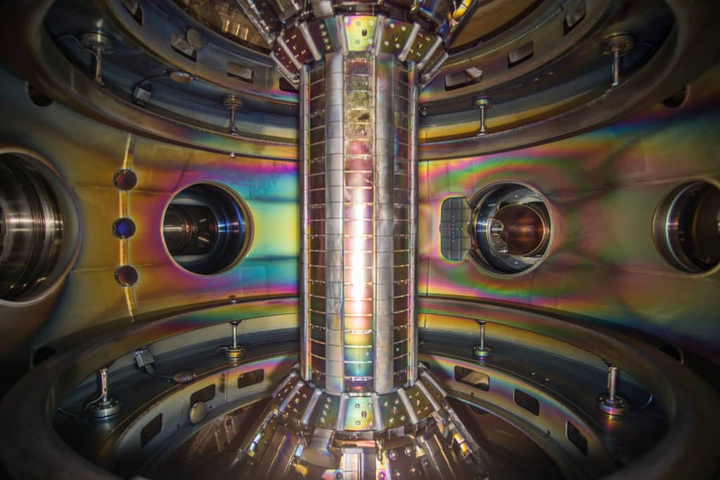
Fusion 101: From Atomic Nuclei to Power Plants
Fusion already works. Fusion power does not — yet. This piece maps the engineering stack, funding landscape, reactor architectures and 68-company ecosystem being built around the gap.
Fusion 101: The Physics of Building a Star
This piece lays out the physics — why fusion produces energy at all, what conditions trigger it, and why sustaining those conditions has taken the better part of a century to get close to right.

SpaceTech 101: How Possible Is It to Put the Cloud in Space?
A beginner-friendly breakdown of orbital data centres: why AI is pushing the cloud toward space, the physics and economics behind the idea, who is building it, and why free sunlight still comes with a brutal invoice.

Physical AI 101: A Beginner’s Field Guide to World Model
A beginner-friendly field guide to AI world models: what they are, how they evolved, who is building them, where funding is going, and why they matter for robotics, autonomous vehicles, gaming, 3D worlds, and physical AI.

AI Agent 101: How to Build an AI Image Creator with Multi-Agent Orchestration
A practical Series 101 guide to building a small AI image creator agent: map the workflow, split it into specialist agents, create the folder structure, generate images, critique outputs, control cost, and improve the system through iteration.
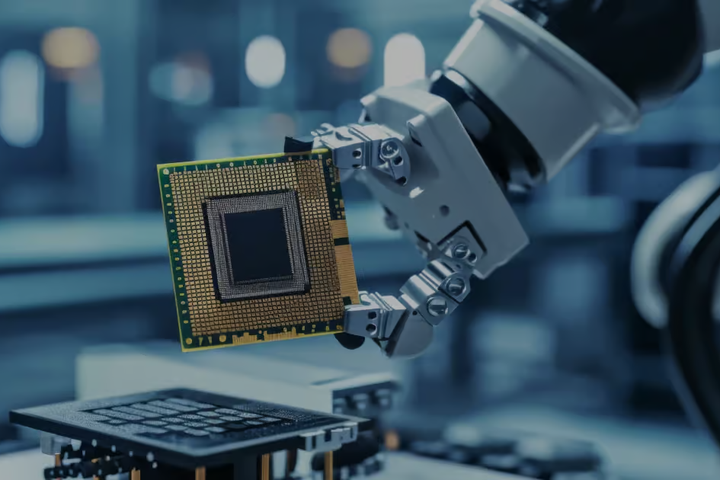
AI Infrastructure 101: Semiconductor - The Industry That Powers Everything
From the chip in your phone to the servers running AI — a beginner-friendly breakdown of how the semiconductor industry works: the types of chips, how they're made, the value chain, who dominates and why, and where startups are finding opportunity.
Quantum 101: Quantum Sensing - The Very First Application of Quantum
A beginner-friendly deep dive into quantum sensing: what it is, how quantum mechanics makes it possible, and how it is used in fields like healthcare, navigation, geology, semiconductors, and defense.
n8n vs Zapier: Which Automation Tool Should You Actually Use?
A practical comparison of n8n and Zapier, covering ease of use, integrations, workflow complexity, debugging, security, pricing, and when to choose each tool.
AI Agent 101: LangChain Beginner-to-Builder Agent for Your App
A technical beginner-to-builder guide to LangChain, LangGraph, and LangSmith: what LangChain is, how agents use tools, how to build workflows, and how to deploy an AI agent into a real app.

AI Agent 101: How to Build a Custom App/Server Inside ChatGPT
Sometimes the app you want to use is not available directly inside ChatGPT. Or maybe the built-in connector is too general, and you want the agent to follow your own workflow, rules, and safety boundaries. That is when you may need to create a custom app/server.

AI Agent 101: Let's Build Your First Practical AI Agent
A beginner-friendly guide to building useful AI agents by defining roles, tools, skills, memory, and feedback loops before touching any custom server or code.
Quantum 101: How Quantum Computer Can Choreograph Possibilities
"If you think you understand quantum mechanics, you don't understand quantum mechanics" - Richard Feynman
Quantum 101: My Understanding of Quantum Physics
Before the electron hits the screen, it has a probability of being found wherever the square of the wave function is bigger than zero; this many-possible-states situation is called quantum superposition.

Biotech 101: AI Drug Discovery & Precision Medicine
Where are we within the Drug Discovery & Precision Medicine advancement?
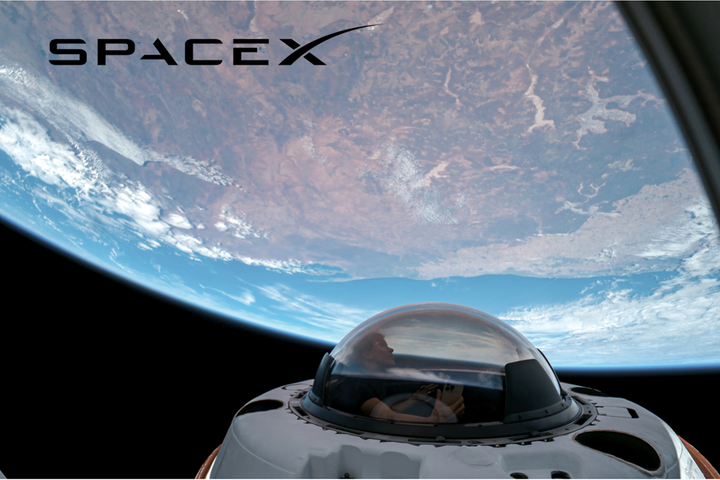
SpaceTech 101: Everything to highlight about SpaceX S-1 Filing
The strongest business today is Starlink/Connectivity. The strategic foundation is Space/Starship. The biggest future optionality is AI/compute infrastructure.

AI Infrastructure 101: Why is Frontier AI so expensive?
A clear breakdown of Frontier AI, its core stack, why it is so expensive to build, and why companies like OpenAI, Anthropic, Thinking Machines, and Hark are racing to own the next intelligence layer.

HealthTech 101: The Full Value Chain
A value map of Health Tech indsustry
Cursor vs Copilot vs Windsurf: Which AI Coding Assistant to Pick?
A beginner-friendly comparison of Cursor, GitHub Copilot, and Windsurf: what each tool is best for, how their agentic features differ, and which one I would actually use for serious building.

SpaceTech 101: The Full Value Chain Behind the New Space Economy
Everything for beginner that do not know what it is