
SpaceTech 101: The Full Value Chain Behind the New Space Economy
Everything for beginner that do not know what it is
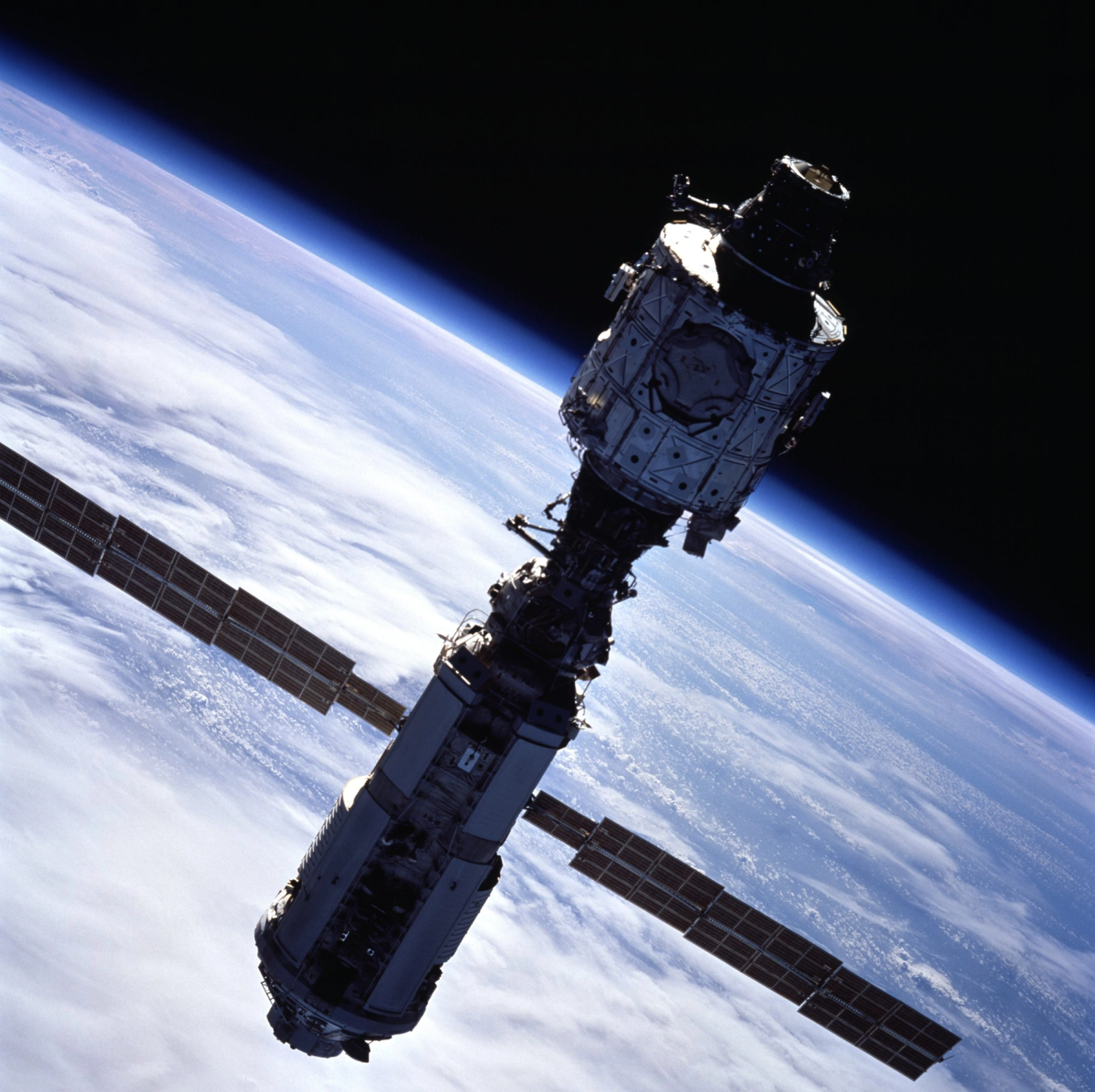
SpaceTech is simply the industry of building technologies that help humans access space, operate in space, and use space-based data or infrastructure to solve problems on Earth.
| Type | What it means | Example use |
|---|---|---|
| CubeSat / nanosatellite | Very small satellite, often cheaper and faster to build | University missions, IoT, experiments |
| Small satellite | Compact commercial satellite | Earth observation, connectivity |
| Large satellite | Bigger, more expensive, longer-life satellite | Telecoms, GPS, weather |
| LEO satellite | Low Earth Orbit, closer to Earth | Starlink, Earth imaging |
| GEO satellite | Geostationary Orbit, far above Earth, appears fixed over one location | TV broadcasting, broadband |
| MEO satellite | Medium Earth Orbit | GPS/navigation systems |
Satellites can be used for communication, Earth observation, weather forecasting, navigation, scientific research, defense monitoring, or internet connectivity.
1. Satellite Components
This sector covers the hardware building blocks that go inside satellites. These include propulsion systems, communication terminals, antennas, sensors, robotics, power systems, and other subsystems. Companies in this layer usually do not operate full satellite networks themselves; they supply the parts that satellite manufacturers or operators need to build spacecraft.
| Company | What they do |
|---|---|
| AAC Clyde Space | Builds small satellite components, subsystems, and small satellite platforms. |
| CesiumAstro | Builds active phased-array communications payloads and satellite connectivity hardware. |
| GomSpace | Builds nanosatellite platforms, components, and mission systems. |
| Honeybee Robotics | Builds robotic systems, motion control, and exploration hardware for space missions. |
| Letara | Develops propulsion systems for small satellites. |
| Mynaric | Builds laser communication terminals for aerospace and satellite networks. |
| Pale Blue | Develops water-based propulsion systems for small satellites. |
2. Satellite Manufacturing
This sector includes companies that design and build satellites or satellite platforms. Some build large, complex spacecraft for telecom, defense, navigation, and Earth observation, while others focus on smaller standardized satellites that can be produced faster and at lower cost. This is one of the core upstream layers of the SpaceTech value chain.
| Company | What they do |
|---|---|
| Airbus Defence and Space | Builds large satellites, spacecraft, and defense/space systems. |
| Thales Alenia Space | Builds telecom, navigation, Earth observation, and science satellites. |
| Maxar Space Systems | Builds satellites and space infrastructure; also known for Earth intelligence. |
| Terran Orbital | Manufactures small satellites, often for defense and commercial missions. |
| York Space Systems | Builds standardized small satellite platforms. |
| Open Cosmos | Provides end-to-end small satellite missions: build, launch, operate, and deliver satellite data. |
| Astranis | Builds smaller GEO broadband satellites designed to provide dedicated capacity for specific operators or regions. |
3. Launch Vehicles
Launch companies provide access to space. They build and operate rockets that carry satellites, cargo, and sometimes crew into orbit. This sector is critical because lower launch costs make the entire space economy more viable by enabling more satellites, more frequent missions, and more commercial experimentation.
| Company | What they do |
|---|---|
| SpaceX | Operates Falcon 9, Falcon Heavy, Starship development, and rideshare launches; also operates Starlink. |
| Rocket Lab | Provides small and medium launch services and also builds spacecraft. |
| Blue Origin | Develops reusable rockets and space infrastructure. |
| Relativity Space | Develops 3D-printed rockets. |
| Firefly Aerospace | Provides launch, lunar, and in-space transportation services. |
| Isar Aerospace | German launch startup developing small launch vehicles. |
| PLD Space | Spanish launch company developing reusable rockets. |
4. Propulsion
Propulsion companies build systems that help satellites move, adjust orbit, avoid collisions, or deorbit at the end of life. This matters especially as Low Earth Orbit becomes more crowded. Propulsion is no longer only about getting into space; it is also about maneuverability, safety, and orbital sustainability.
| Company | What they do |
|---|---|
| Exotrail | Provides mission design, propulsion, and satellite mobility solutions. |
| Pale Blue | Develops water-based propulsion systems for small satellites. |
| Letara | Develops small-satellite propulsion systems. |
| Dawn Aerospace | Develops in-space propulsion systems and reusable spaceplane technology. |
5. Ground Infrastructure
Ground infrastructure connects satellites in orbit to users and systems on Earth. This includes ground stations, antennas, cloud-linked satellite communication networks, and data downlink services. Without this layer, satellite data cannot be received, processed, or distributed efficiently.
| Company | What they do |
|---|---|
| KSAT | Operates one of the world’s major ground-station networks. |
| Leaf Space | Provides ground-segment services for satellite operators. |
| AWS Ground Station | Lets satellite operators use Amazon’s cloud-linked ground-station network. |
| Azure Orbital | Microsoft’s cloud-based ground-station and satellite connectivity service. |
| Northwood Space | Building a global ground-station network using phased-array antennas. |
| Skynopy | Paris-based startup building a high-throughput ground-station network for LEO satellites. |
| ATLAS Space Operations | Provides ground-station services and satellite communications infrastructure. |
6. Mission Software
Mission software helps design, simulate, operate, and manage satellite missions. It can include digital twins, mission planning, command systems, fleet operations, and automated coordination tools. As satellite constellations grow larger, software becomes essential for managing complexity.
| Company | What they do |
|---|---|
| Antaris | Builds a cloud platform for the satellite lifecycle, including design, digital twins, and command systems. |
| Kayhan Space | Provides autonomous collision avoidance and coordination software. |
| Slingshot Aerospace | Builds space situational awareness and satellite-tracking software. |
| Ecosmic | Builds SAFE, a collision-risk estimation and automated avoidance system. |
| Exotrail | Provides mission design, propulsion, and satellite mobility software. |
7. Satellite Operations
This sector includes companies that operate satellites, manage missions, or provide satellite capacity as a service. Instead of every customer building and operating their own spacecraft, satellite operations companies can provide shared infrastructure, hosted payloads, or end-to-end mission delivery.
| Company | What they do |
|---|---|
| Loft Orbital | Lets customers deploy payloads on shared satellite infrastructure instead of building their own satellites. |
| Spire Global | Operates satellites and provides data services, also offering space-as-a-service capabilities. |
| Open Cosmos | Provides satellite missions and data platforms. |
| Planet Labs | Operates an Earth-imaging satellite constellation and data platform. |
8. Space Traffic Management
Space traffic management focuses on tracking objects in orbit and preventing collisions. As more satellites are launched, orbital congestion becomes a major risk. Companies in this sector use radar, telescopes, software, and data platforms to monitor satellites, debris, and potential collision paths.
| Company | What they do |
|---|---|
| LeoLabs | Uses ground-based radar to track objects in low Earth orbit. |
| Kayhan Space | Provides autonomous collision avoidance and coordination software. |
| Slingshot Aerospace | Provides space situational awareness and tracking tools. |
| Privateer Space | Builds data and visualization tools for space sustainability. |
| COMSPOC | Provides space traffic management and space situational awareness solutions. |
9. Space Cybersecurity
Space cybersecurity protects satellites, ground stations, communication links, and mission software from cyber threats. As space systems become more connected and commercially important, they also become more vulnerable. This sector is especially important for defense, critical infrastructure, and satellite communications.
| Company | What they do |
|---|---|
| SpiderOak | Builds cybersecurity and zero-trust software for space systems. |
| Xage Security | Provides zero-trust cybersecurity for critical infrastructure, including space-related infrastructure. |
| Ramon.Space | Builds space-resilient computing infrastructure with cybersecurity-relevant capabilities. |
10. Orbital Logistics
Orbital logistics covers transportation and movement within space after launch. This can include orbital transfer vehicles, last-mile delivery for satellites, hosted payload platforms, and future in-space transportation networks. It is similar to logistics on Earth, but for moving assets between orbits.
| Company | What they do |
|---|---|
| D-Orbit | Provides orbital transportation, hosted payloads, and in-space logistics services. |
| Impulse Space | Builds orbital transfer vehicles and in-space transportation systems. |
| Momentus | Develops in-space transportation and orbital service vehicles. |
| The Exploration Company | Develops reusable space capsules and orbital logistics infrastructure. |
| Spaceium | Works on in-space logistics and orbital infrastructure. |
11. Earth Observation
Earth observation companies use satellites to collect imagery and sensor data about the planet. This includes optical imagery, radar imagery, hyperspectral data, thermal data, and emissions monitoring. The data can be used for agriculture, climate, insurance, defense, disaster response, and supply-chain monitoring.
| Company | What they do |
|---|---|
| Planet Labs | Operates a large Earth-imaging satellite constellation. |
| Maxar Intelligence | Provides high-resolution satellite imagery and geospatial intelligence. |
| BlackSky | Provides real-time satellite imagery and analytics. |
| ICEYE | Operates SAR radar satellites for imaging through clouds and darkness. |
| Capella Space | Provides SAR satellite imagery. |
| Umbra | Provides high-resolution SAR imaging. |
| Satellogic | Provides high-frequency Earth observation imagery. |
| Pixxel | Builds hyperspectral imaging satellites. |
| GHGSat | Uses satellites to monitor greenhouse gas emissions. |
12. Satellite Connectivity
Satellite connectivity companies provide internet, voice, data, or IoT connectivity from space. Some operate large Low Earth Orbit constellations for broadband, while others focus on direct-to-device, cellular, IoT, maritime, aviation, or remote-area connectivity. This sector turns space infrastructure into communication networks.
| Company | What they do |
|---|---|
| Starlink | Provides broadband internet using a large LEO satellite constellation. |
| OneWeb | Provides satellite broadband connectivity through a LEO constellation. |
| Amazon Project Kuiper | Amazon’s planned LEO satellite broadband network. |
| Iridium | Operates a satellite communications network for voice and data connectivity. |
| Globalstar | Provides satellite communications and IoT connectivity. |
| AST SpaceMobile | Building space-based cellular broadband connectivity. |
| Lynk Global | Building direct-to-device satellite connectivity. |
| Hubble Network | Building satellite Bluetooth / IoT connectivity infrastructure. |
| Astranis | Builds dedicated small GEO broadband satellites. |
13. Climate Intelligence
Climate intelligence companies use satellite data, AI, and geospatial analytics to understand climate risk and environmental change. They can monitor emissions, wildfires, water stress, infrastructure exposure, and physical climate risk. This sector turns raw Earth observation data into decision-making tools for governments, insurers, utilities, and corporations.
| Company | What they do |
|---|---|
| Kayrros | Uses satellite and alternative data for energy, emissions, and climate intelligence. |
| AiDash | Uses satellite analytics for climate resilience, utilities, and infrastructure management. |
| LiveEO | Uses satellite data to monitor infrastructure such as railways, power grids, and pipelines. |
| Climate X | Provides climate risk analytics for assets and infrastructure. |
| Cervest | Climate intelligence platform using Earth data. |
| OroraTech | Uses satellite data for wildfire detection and monitoring. |
| Hydrosat | Uses thermal satellite data for agriculture, water, and climate applications. |
14. Agriculture Analytics
Agriculture analytics uses satellite, drone, weather, and sensor data to monitor farms and crops. These platforms can track crop health, soil conditions, irrigation needs, yield risk, and climate stress. The goal is to help farmers, agribusinesses, insurers, and lenders make better decisions.
| Company | What they do |
|---|---|
| Map My Crop | Turns satellite and drone data into crop-health and farm-management insights. |
| EOS Data Analytics | Provides satellite-powered crop monitoring and geospatial analytics. |
| CropX | Uses soil, weather, and satellite data for farm management. |
| Planet Labs | Provides satellite imagery used for agriculture monitoring and crop analytics. |
15. Defense Intelligence
Defense intelligence uses satellite imagery, geospatial data, sensors, and AI to support national security and military decision-making. This includes monitoring conflict zones, tracking infrastructure, detecting movement, and supporting situational awareness. It is one of the strongest demand drivers for advanced satellite data.
| Company | What they do |
|---|---|
| Palantir | Provides data platforms used in defense, intelligence, and operational decision-making. |
| BlackSky | Provides real-time satellite imagery and analytics for government and commercial users. |
| Maxar | Provides high-resolution imagery and geospatial intelligence. |
| Anduril | Builds autonomous defense systems and defense software. |
| ICEYE | Provides SAR imagery useful for defense and emergency monitoring. |
| Capella Space | Provides SAR imagery for government and commercial intelligence use cases. |
16. Insurance / Financial Analytics
This sector turns geospatial and satellite data into financial insight. It can be used by insurers to assess disaster damage, by investors to monitor economic activity, or by commodity traders to track supply chains and energy infrastructure. The core idea is using space-derived data as an alternative data source for risk and market analysis.
| Company | What they do |
|---|---|
| Descartes Labs | Uses geospatial data and AI for climate, commodity, and supply-chain intelligence. |
| Orbital Insight | Uses satellite and geolocation data for economic and strategic intelligence. |
| ICEYE | Provides SAR data used for disaster response, insurance, and risk analytics. |
| Kayrros | Uses satellite and alternative data for energy, emissions, and market intelligence. |
17. In-Orbit Servicing
In-orbit servicing refers to repairing, refueling, repositioning, inspecting, or extending the life of satellites already in space. Instead of treating satellites as disposable assets, this sector aims to make orbital infrastructure more maintainable and reusable.
| Company | What they do |
|---|---|
| Astroscale | Develops in-orbit servicing and debris-removal missions. |
| ClearSpace | Develops active debris-removal and in-orbit servicing missions. |
| Starfish Space | Builds spacecraft for satellite servicing and orbital missions. |
| Northrop Grumman SpaceLogistics | Provides satellite life-extension and mission-extension services. |
18. Debris Removal
Debris removal focuses on cleaning up defunct satellites, rocket bodies, and fragments from orbit. Space debris is dangerous because even small objects can damage active satellites at high speeds. This sector is closely linked to orbital sustainability and long-term space safety.
| Company | What they do |
|---|---|
| Astroscale | Develops active debris-removal and end-of-life satellite services. |
| ClearSpace | Builds missions to remove defunct satellites and debris from orbit. |
| Kall Morris | Develops systems for capturing and removing orbital debris. |
| Dark | Works on space security and orbital protection, including debris-related capabilities. |
19. In-Space Manufacturing
In-space manufacturing uses the microgravity environment to produce materials, pharmaceuticals, crystals, semiconductors, or biological products that may be difficult to make on Earth. The sector is still early, but the promise is that space could become a new manufacturing environment, not just a place for satellites.
| Company | What they do |
|---|---|
| Varda Space Industries | Manufactures drug crystals in microgravity and returns them to Earth using re-entry capsules. |
| Space Forge | UK startup developing satellites to manufacture advanced materials in space, especially for semiconductors and quantum computing. |
| Redwire Space | Works across space infrastructure, biotech, manufacturing, and in-space systems. |
| SpacePharma | Builds miniaturized automated lab-on-chip platforms for life-science experiments in space. |
| Reditus Space | Building reusable return platforms for microgravity manufacturing. |
| Catalyx | Building autonomous space labs and return capsules for experiments and small-batch manufacturing. |
20. Space Power Infrastructure
Space power infrastructure covers energy generation, storage, and transmission in orbit. This can include solar arrays, space-based power systems, and wireless power transmission between spacecraft. As space activity grows, energy infrastructure could become a foundational layer of the orbital economy.
| Company | What they do |
|---|---|
| Star Catcher | Building a space-to-space wireless power grid using laser power transmission. |
| Solestial | Develops solar technology for space. |
| Redwire Space | Builds space infrastructure, solar arrays, and manufacturing systems. |
| Arkisys | Building an in-space platform for assembly, servicing, and manufacturing. |
21. Commercial Space Stations
Commercial space stations are privately developed orbital habitats and research platforms. They are intended to support research, manufacturing, tourism, national space agencies, and commercial activity after the International Space Station era. This sector represents the move from government-led space stations to private orbital infrastructure.
| Company | What they do |
|---|---|
| Axiom Space | Building commercial space station infrastructure. |
| Sierra Space | Developing Dream Chaser and commercial space station-related infrastructure. |
| Voyager Space / Starlab | Developing commercial space station infrastructure. |
22. Lunar / Cislunar Economy
The lunar and cislunar economy covers activity on the Moon and in the space between Earth and the Moon. This includes lunar landers, rovers, communications, resource exploration, payload delivery, and future infrastructure. It is still very early, but it could become important for science, defense, mining, and long-term space settlement.
| Company | What they do |
|---|---|
| Intuitive Machines | Builds lunar landers and provides lunar delivery services. |
| Astrobotic | Develops lunar landers, rovers, and payload delivery services. |
| ispace | Develops lunar landers and lunar exploration missions. |
| Astrolab | Builds lunar rovers and mobility systems. |
| Lunar Outpost | Builds robotic systems and infrastructure for lunar and planetary missions. |
| AstroForge | Developing asteroid-mining technology. |
| Aquarian Space | Building communications infrastructure for lunar and cislunar missions. |