
SpaceTech 101: Everything to highlight about SpaceX S-1 Filing
The strongest business today is Starlink/Connectivity. The strategic foundation is Space/Starship. The biggest future optionality is AI/compute infrastructure.
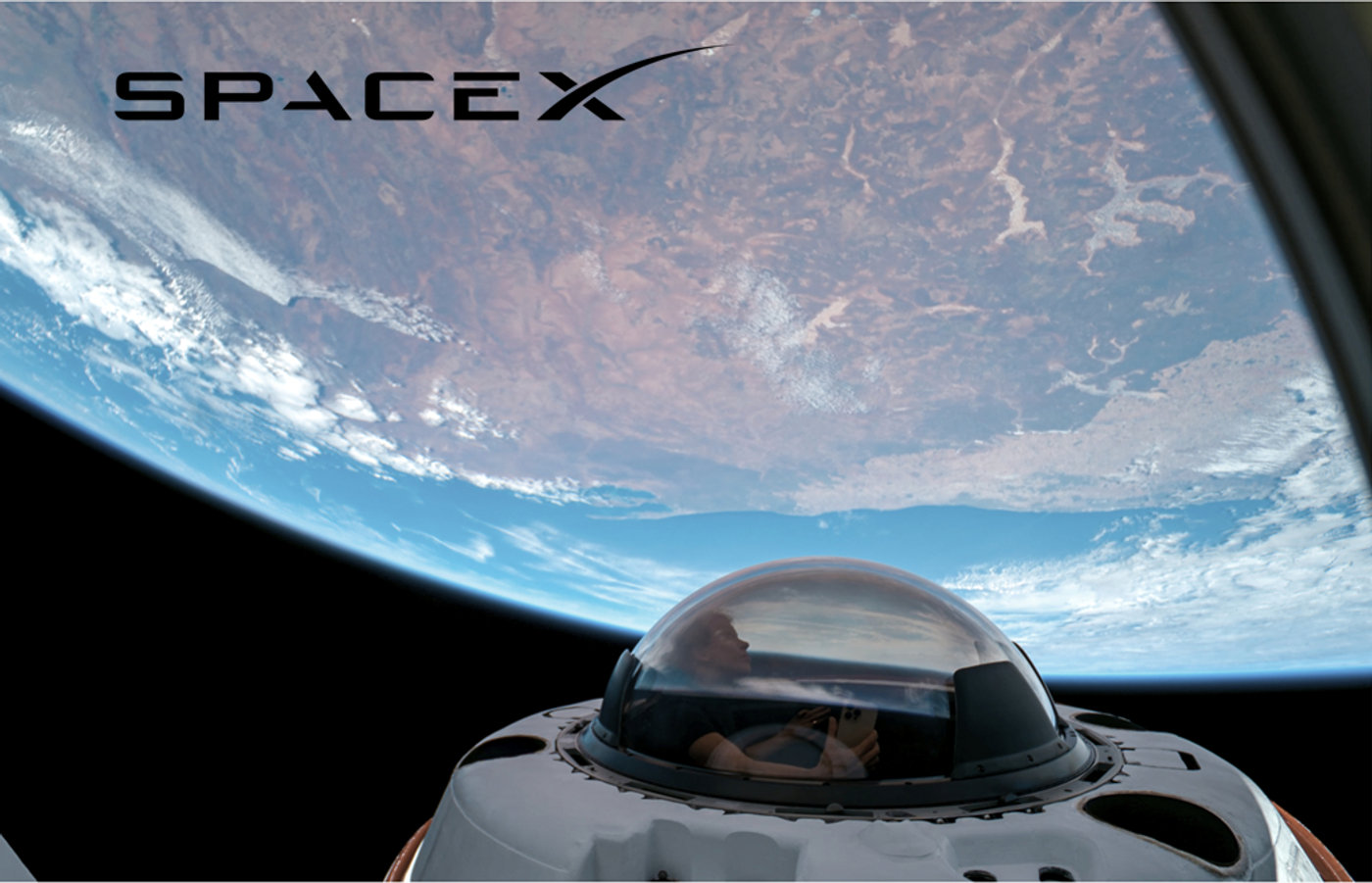
After spending 3 hours this weekend to read through the whole SpaceX S-1 filing, I will breakdown here some highlights from my read.
1. Business model overview
The filing frames the company around three reportable segments: Space, Connectivity, and AI, their coverage are as below:
| Segment | What is included? | 2025 Revenue | Profitability | |
|---|---|---|---|---|
| Space | Launch services, government contracts, Falcon, Dragon, Starship development | $4.1B | $(657)M operating loss, but $653M Segment Adj. EBITDA | |
| Connectivity | Starlink consumer, enterprise, government, mobile connectivity | $11.4B | $4.4B operating income, $7.2B Segment Adj. EBITDA | |
| AI | X, Grok subscriptions/API, data licensing, AI infrastructure | $3.2B | $(6.4)B operating loss, $(1.2)B Segment Adj. EBITDA |
The MVP here is obviously Connectivity/Starlink. It is already the profit engine: recurring revenue, strong growth, and positive operating income.
Space is strategically essential but still burdened by Starship R&D.
AI is the moonshot: huge losses today, but potentially massive if compute/Grok/X integration works.
2. A glance into their financial
In 2025, SpaceX generated $18.7B revenue, up from $14.0B in 2024 and $10.4B in 2023. But it still reported a net loss of $4.9B in 2025, mainly because costs rose heavily, especially R&D and AI-related investment.
| Item | 2025 |
|---|---|
| Revenue | $18.7B |
| Cost of revenue | $9.5B |
| R&D | $8.6B |
| SG&A | $2.6B |
| Total costs and expenses | $21.3B |
| Operating loss | $(2.6)B |
| Net loss | $(4.9)B |
| Adjusted EBITDA | $6.6B |
So the company is cash-generative at adjusted EBITDA level, but still loss-making after R&D, depreciation, interest and other costs.
3. Highlights in Projects
Past Highlights:
- Falcon reusability
- Dragon missions to the ISS
- Astronaut transport
- Large-scale Starlink deployment and the shift from expensive low-cadence launch to reusable high-cadence launch.
The filing repeatedly stresses vertical integration and rapid iteration as the source of its advantage.
Current Highlights:
- Falcon remains the workhorse for customer launches
- Dragon continues NASA-related missions
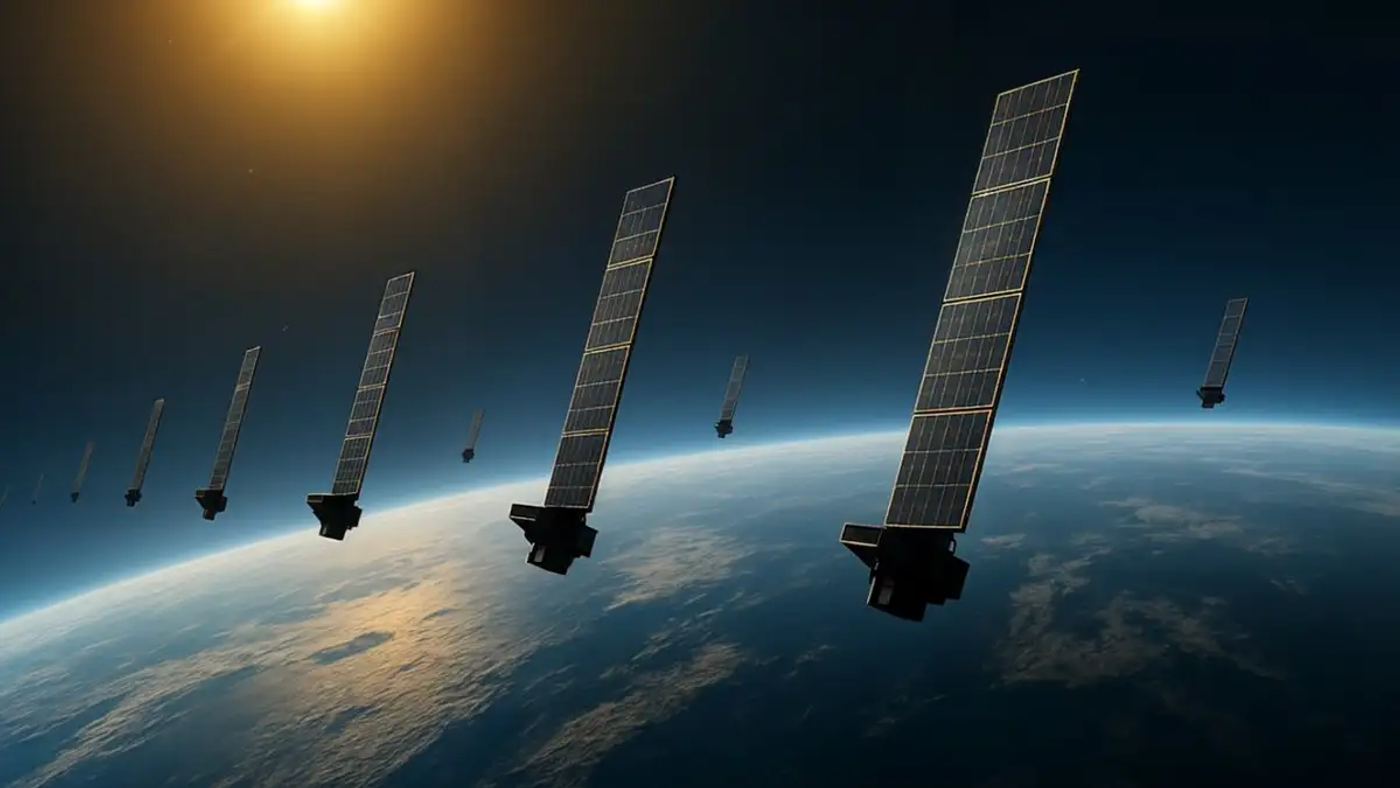
- Starlink is operating with around 9,600 satellites across 164 countries/markets
- Starship is still under development
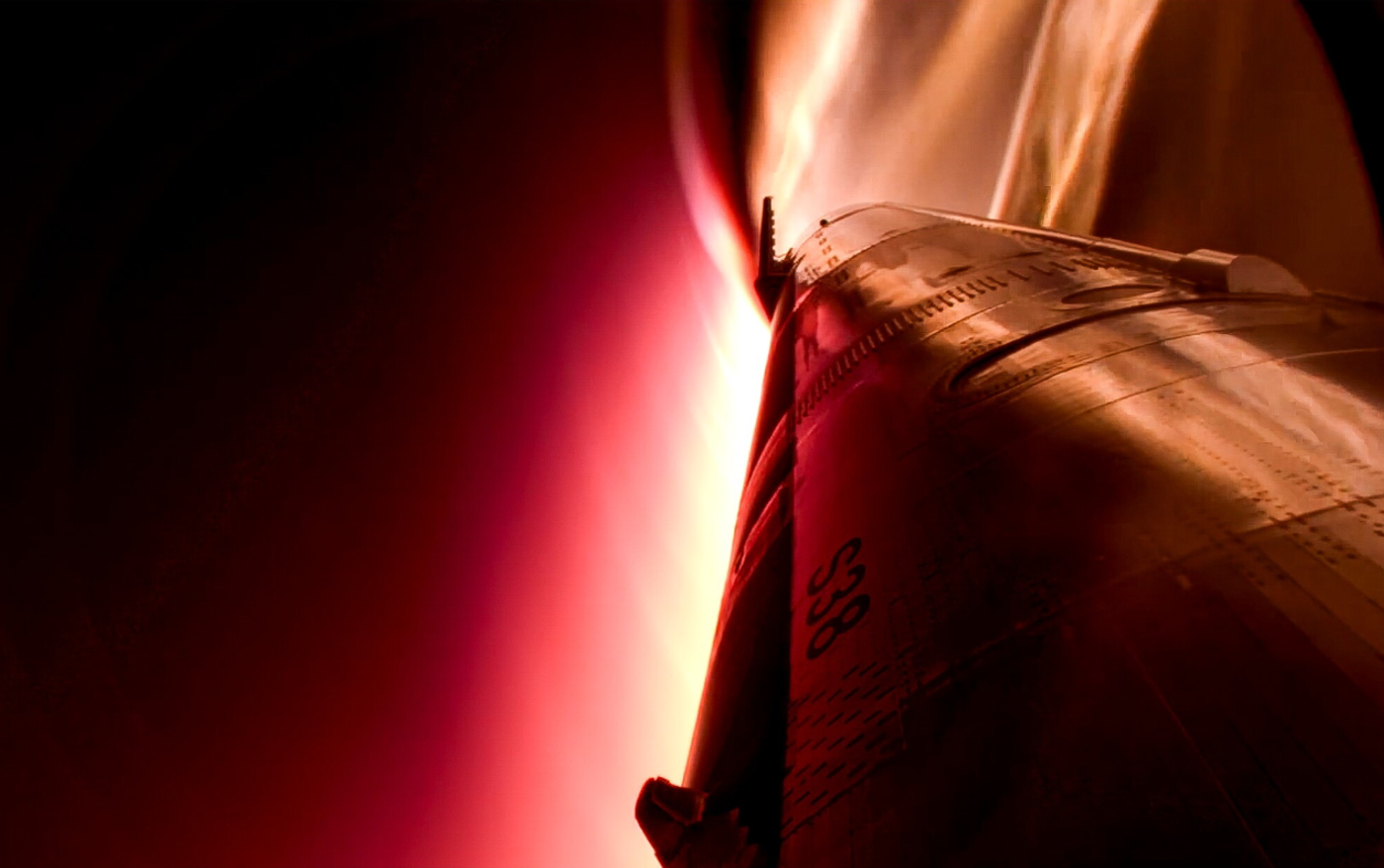
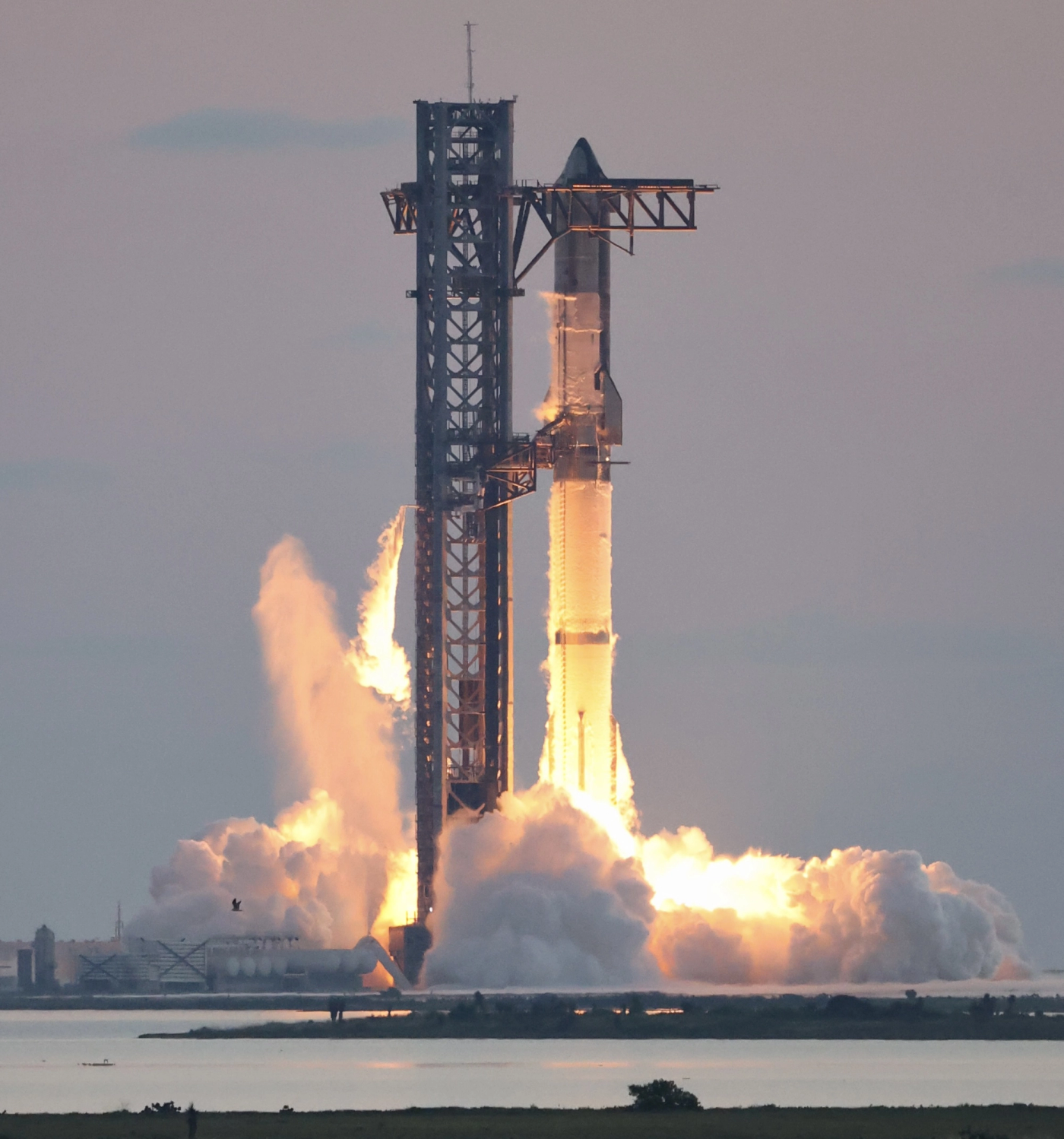
- The company has completed 11 Starship flight tests and scheduled a 12th test using the next-generation Starship vehicle and Super Heavy booster.
Future Highlights:
- Starship is the biggest strategic unlock.
The filing says Starship V3 is expected to carry 100 metric tons, future versions could reach 200 metric tons, and management believes Starship could eventually reduce cost to orbit by 99%+ versus NASA’s cited historical average cost of $18,500/kg. That would change the economics of satellites, lunar infrastructure, Mars missions, and potentially orbital AI compute.
- The most surprising future angle is AI compute.
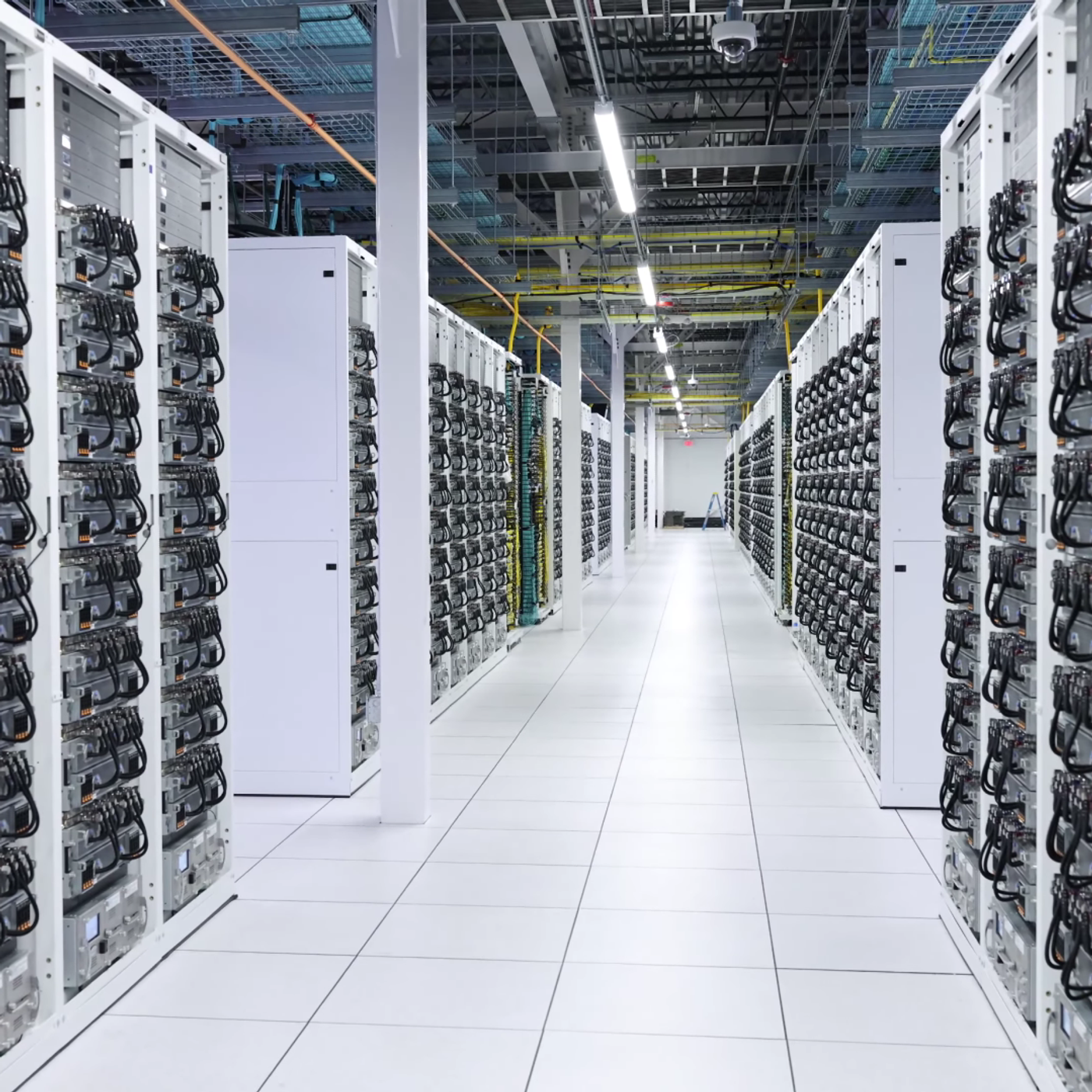
The filing says SpaceX acquired xAI in February 2026 and plans to invest heavily in compute infrastructure. It also mentions cloud service agreements with Anthropic, under which Anthropic agreed to pay $1.25B per month through May 2029 for access to compute capacity across COLOSSUS and COLOSSUS II, subject to ramping and termination terms. That turns AI compute into both an internal capability for Grok and a third-party infrastructure business.
4. Future Implications?
The long-term thesis is huge: SpaceX wants to own the infrastructure layer for launch, satellite connectivity, AI compute, and eventually orbital AI. If Starship works, it lowers launch cost and increases launch cadence. That makes Starlink cheaper to expand, enables bigger satellite networks, and could make space-based AI infrastructure more realistic.
The business could evolve from:
rocket company → satellite internet company → space infrastructure company → AI compute + orbital infrastructure platform
That is why the filing feels so ambitious. SpaceX is not only monetising launches; it is using launches to build entirely new businesses on top.
6. Main risks
The biggest risk is execution. Starship is central to the future strategy, but delays in launch cadence, reusability, payload capability, or commercialisation could slow everything: next-gen satellites, direct-to-cell, orbital compute, Moon/Mars ambitions.
▣ OTHER MAJOR RISKS▶
- Regulatory risk: FAA launch/reentry approvals, FCC and international spectrum licences, satellite communications approvals.
- Technical risk: launch failures, satellite failures, Starship development risk, orbital debris/collision risk.
- AI risk: xAI integration, large AI losses, uncertain monetisation, compute shortages, power constraints, processor supply, and fast-moving competition.
- Capital intensity: huge spending on Starship, satellites, data centers, AI processors, power and infrastructure.
- Profitability risk: the company had a $4.9B net loss in 2025 and may not sustain profitability.
- Governance risk: dual-class structure gives Class B shares 10 votes per share, and Elon Musk is expected to retain significant control; the company also says it will be a controlled company.
- Customer concentration: one customer represented 20.9% of 2025 revenue.
- No dividends: returns depend mainly on share price appreciation, not cash distributions.
KEY TAKEAWAYS:
SpaceX positioned itself as a vertically integrated infrastructure company, not just a launch company.
The strongest business today is Starlink/Connectivity.
The strategic foundation is Space/Starship.
The biggest future optionality is AI/compute infrastructure.
The bull case is that SpaceX turns launch dominance into recurring connectivity revenue, then uses Starship and AI compute to build the next infrastructure layer for Earth and space.
The bear case is that this is brutally capital-intensive, technically risky, heavily regulated, and now includes an AI segment that is still deeply loss-making.