
Ferveret: Cooling AI With a Page From the Nuclear Playbook
Ferveret is tackling one of AI’s less glamorous but increasingly critical bottlenecks: cooling the physical infrastructure beneath smarter models.
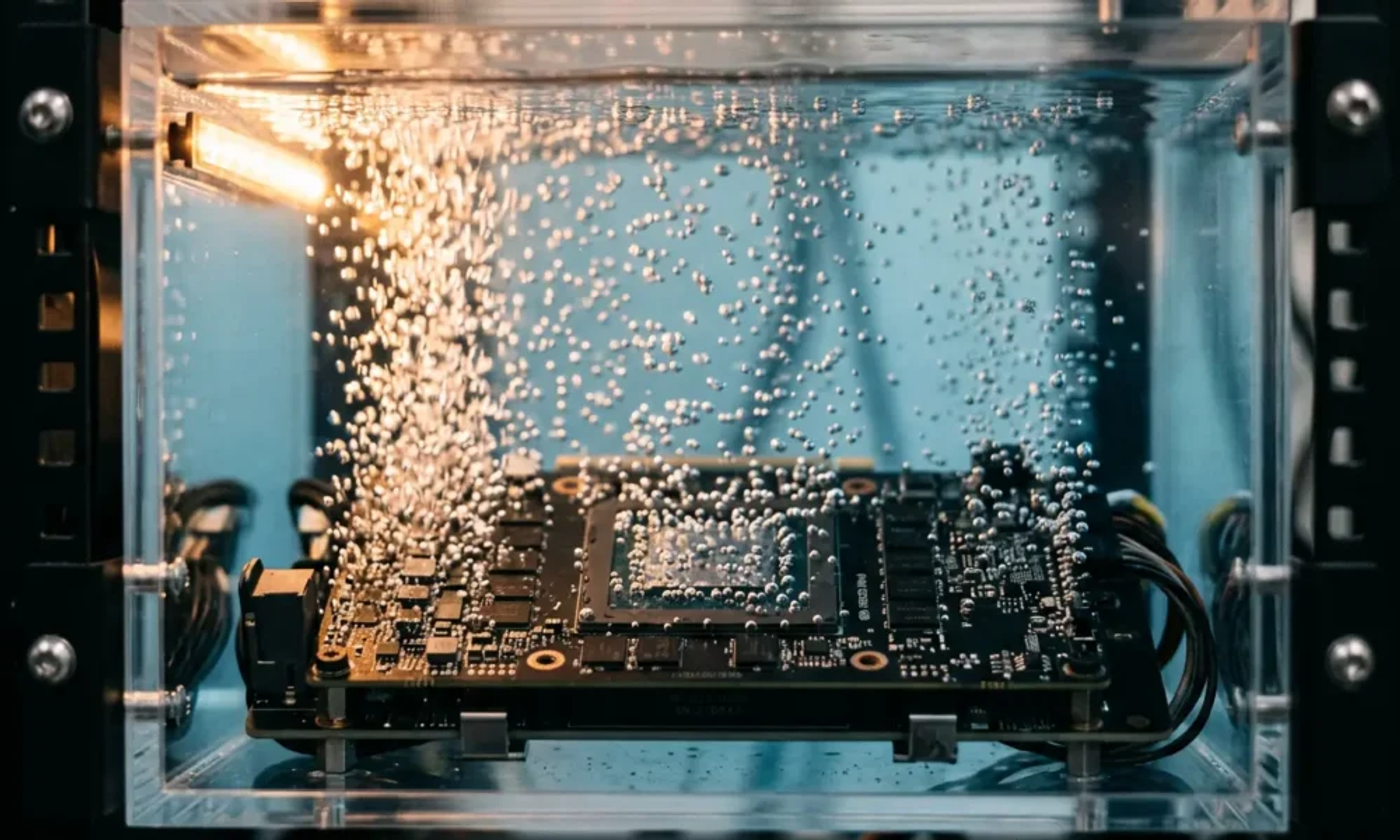
This is the corner of AI I keep returning to: the binding constraint isn't smarter models — it's the physical layer beneath them, from power to cooling to water. I've mapped that crunch before; here's a company tackling one piece of it.
The bottleneck
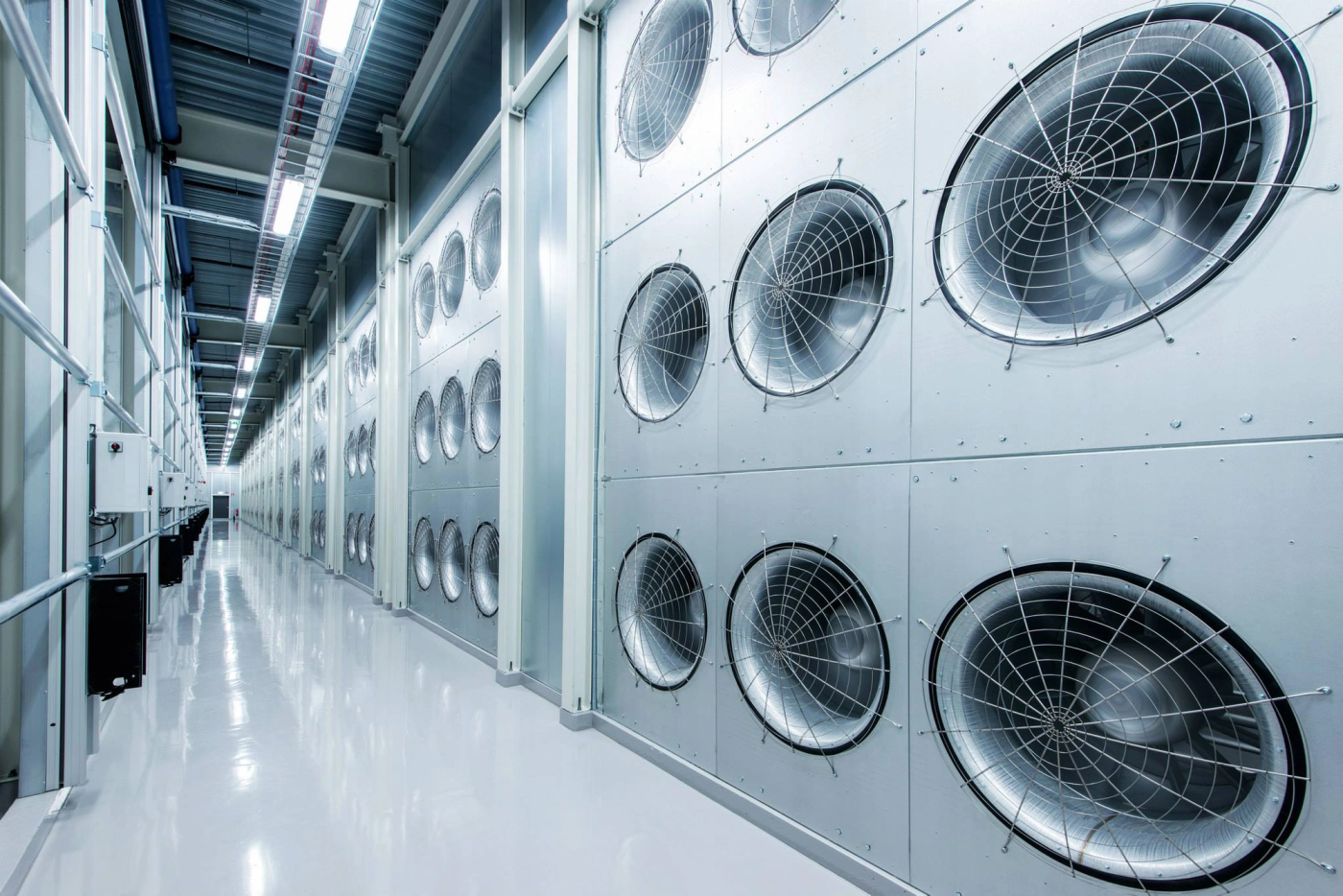
AI depends on data centers, and data centers run hot. Today, roughly a third of a data center's electricity goes purely to cooling the chips — much of it through fan-based systems that are, charitably, about 50 years old. As AI scales, that inefficiency becomes harder to ignore.
A page from the nuclear playbook
Founded in 2021 by two MIT nuclear engineers, Ferveret borrowed a technique reactors have refined for decades: subcooled boiling.
1. The old default: blow air. Most data centers still cool chips with fans. But air is a poor heat carrier — it's why a room-temperature pool feels cold while room-temperature air doesn't. For today's power-hungry AI chips, air simply can't keep up.
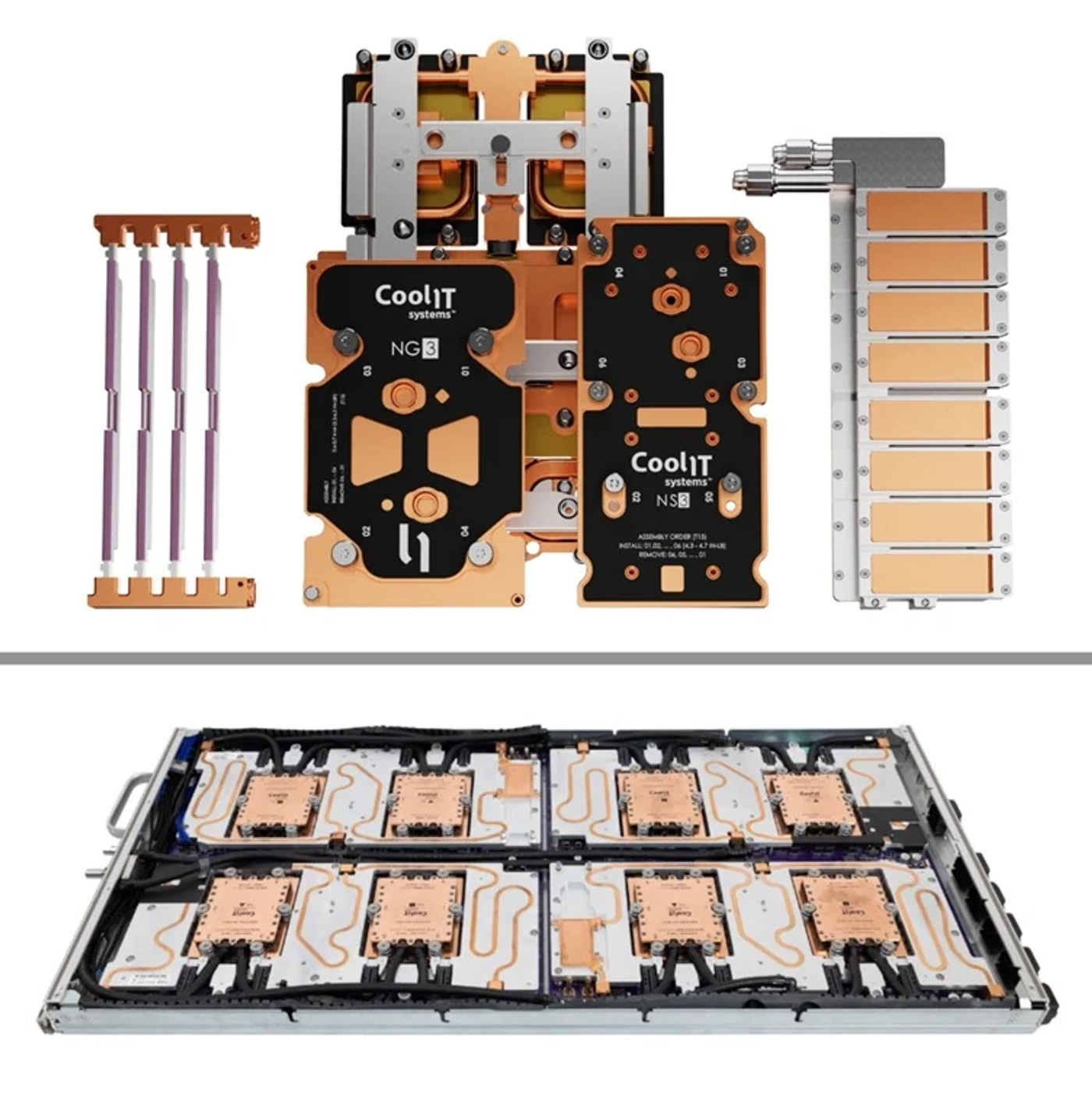
2. Today's mainstream fix: direct-to-chip (cold plate). The dominant liquid-cooling method right now doesn't submerge anything. A coolant-filled metal plate sits directly on the chip and draws heat away at the source. This is what most AI data centers — including NVIDIA's flagship racks — run on.
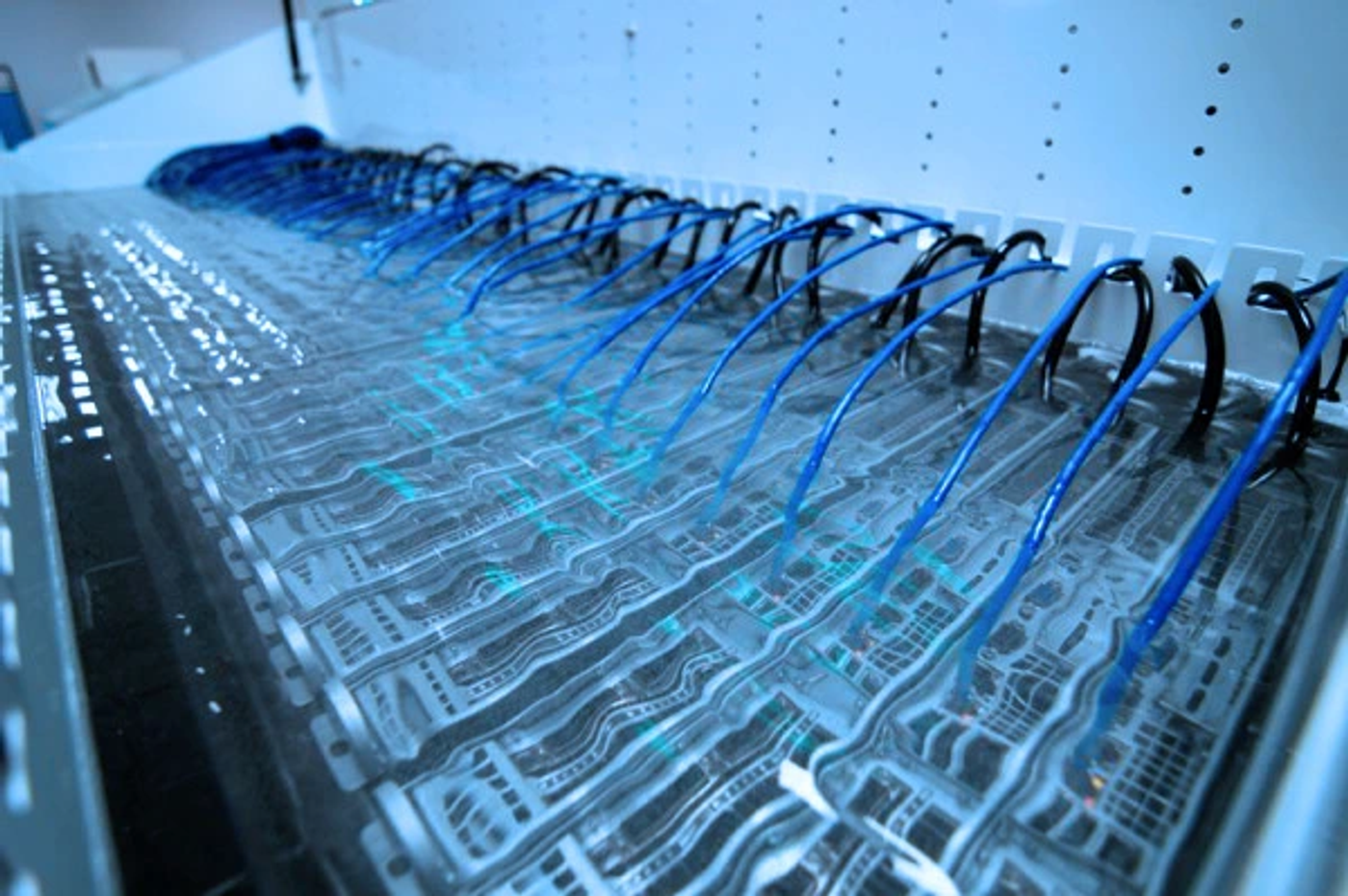
3. The more aggressive path: immersion. Instead of a plate on the chip, immersion drops the entire server into a bath of special non-conductive liquid. Liquid carries far more heat than air, so it's more powerful than cold plates — but it's harder to deploy, which is why it's still the minority approach. This is the family Ferveret plays in.
4. The real trick: let that liquid boil right at the chip. Turning liquid into vapour takes a huge amount of energy — pulled straight out of the chip. Same reason sweat cools you: as it evaporates, it carries heat off your skin. So every tiny bubble boiling off the chip is a little packet of heat leaving. That's the effect Ferveret supercharges.
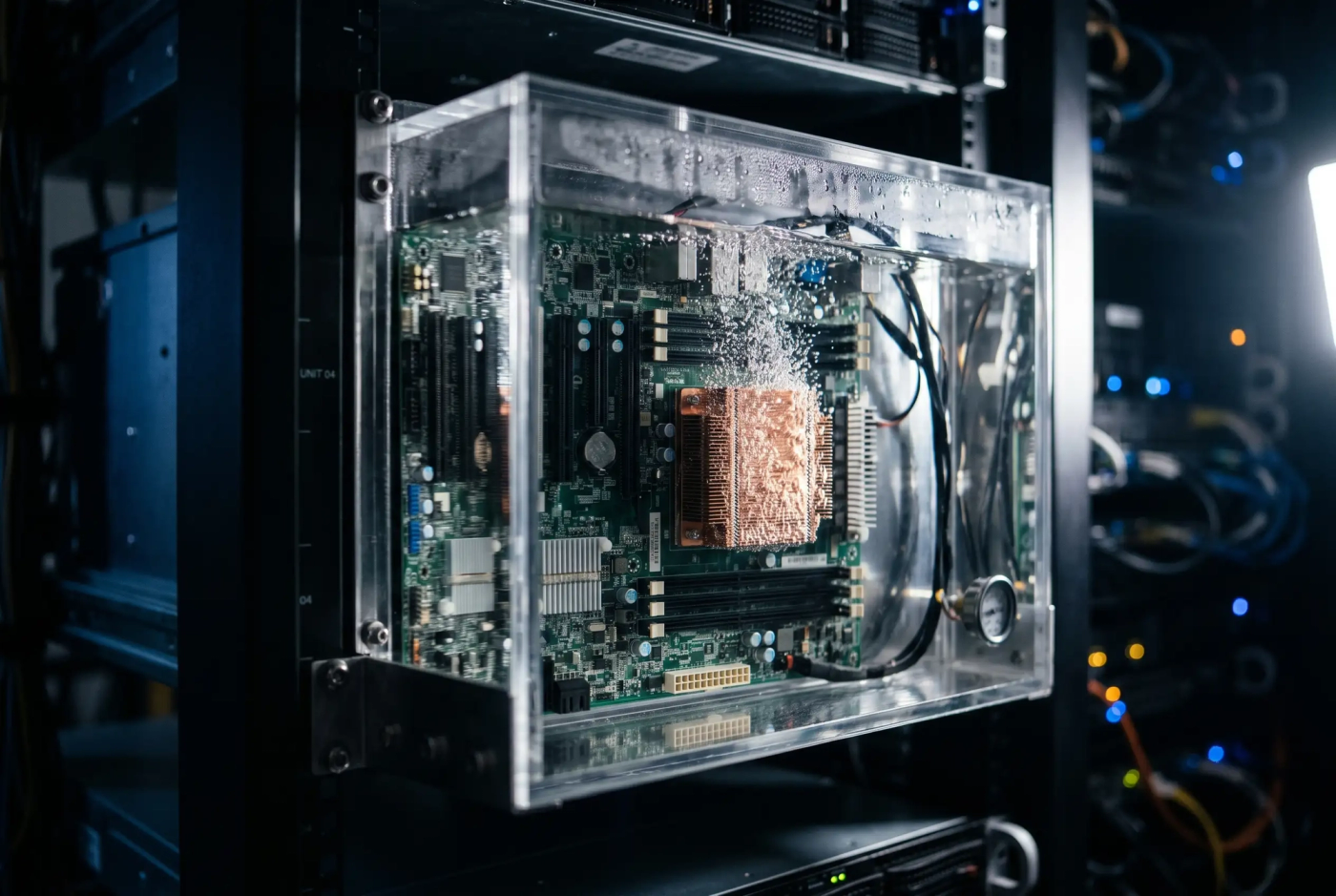
Here's the core mechanism — what subcooled boiling actually looks like:
Picture the life of a single bubble. It forms in the razor-thin layer of liquid touching the hot chip, pulling heat out as it boils. It detaches and floats upward. Then it rises into liquid that's deliberately kept below its boiling point — and the instant it hits that cooler liquid, it collapses back into liquid, dumping its heat into the bulk. That's "subcooled" boiling: only the sliver of liquid against the chip actually boils, while the rest of the tank stays cool.

5. Why that's the elegant bit. If you simply boiled the whole tank, you'd fill it with vapour you'd have to capture, re-condense, and pressure-manage — a real headache. Subcooled boiling sidesteps all of that: the bubbles self-destruct the moment they leave the surface, so you get boiling's enormous heat-removal power with none of the vapour-wrangling. This is precisely how nuclear reactors pull heat off their fuel rods, and it's the decades of physics Ferveret carried over to chips.
6. What Ferveret does better than other immersion cooling. It's all in the bubbles. Their fluid and surface make the bubbles smaller and make them detach more often. Here's why that matters: while a bubble clings to the surface, the spot beneath it is capped by vapour, which conducts heat poorly — that patch isn't really being cooled. The faster a bubble pops off and fresh cool liquid rushes back to touch the surface ("re-wetting"), the more continuously heat escapes. Smaller, faster bubbles → the surface stays bathed in cool liquid more of the time → roughly 15% more heat removed.
7. The "forever chemicals" bit. Most immersion fluids are based on PFAS — "forever chemicals" that don't break down and carry environmental and health concerns. Ferveret's fluid boils at the low temperatures chips run at without being PFAS, so it's a cleaner option.
The numbers
Against the best liquid-cooling systems available today, Ferveret reports a 15% efficiency gain and 35% more tokens from the same power. And it uses zero water — not "less," not "optimised," zero. The system ships as compact, modular boxes, so operators can adopt it without gutting their existing infrastructure.
Why it matters
Water-free cooling unlocks data centers in sunny, arid regions — the Middle East, parts of Africa — running on solar that would otherwise have nothing to cool. That's a structural unlock, not a marginal tweak. Already in Nvidia's startup program and piloting with operators like Switch, Ferveret is making a quiet bet: the future of AI won't be won only on faster chips, but on not melting them.