The AI Infrastructure Crisis: The Boring Bottlenecks Creating the Next Startup Wave
AI’s next bottleneck is not just models. It is power, data centers, cooling, chips, manufacturing, and the physical infrastructure needed to make AI compute real.

For the past two years, AI has looked like a software race: better models, smarter agents, faster inference, cheaper APIs.
But underneath the shiny model layer, the real bottleneck is becoming very physical.
AI needs data centers, power, cooling, chips, memory, networking, construction teams, electrical equipment, and skilled operators. The cute chatbot in your browser is sitting on top of a giant pile of concrete, copper, silicon, electricity, and stress.
That shortage is a problem. But for founders and investors, it is also a map of where the next big venture opportunities may appear.
1. The AI Infrastructure Gap: Demand Is Moving Faster Than Construction
AI demand is growing faster than the physical world can build.
Big tech companies can announce billions in AI infrastructure spending, but capital does not instantly become compute. A data center still needs land, permits, power, transformers, cooling, servers, chips, networking, and people to operate everything.
That is the key gap:
Money moves fast. Infrastructure moves slowly.
A data center can be announced in one quarter, but it can take years to actually build, connect to the grid, and run at full capacity. This is why the AI race is shifting from a pure “who has the best model?” competition into an infrastructure execution race.
So the real question is no longer only:
Who can build the smartest AI?
It is also:
Who can build enough infrastructure to run it?
2. The AI Infrastructure Value Chain
A simple AI infrastructure value chain looks like this:
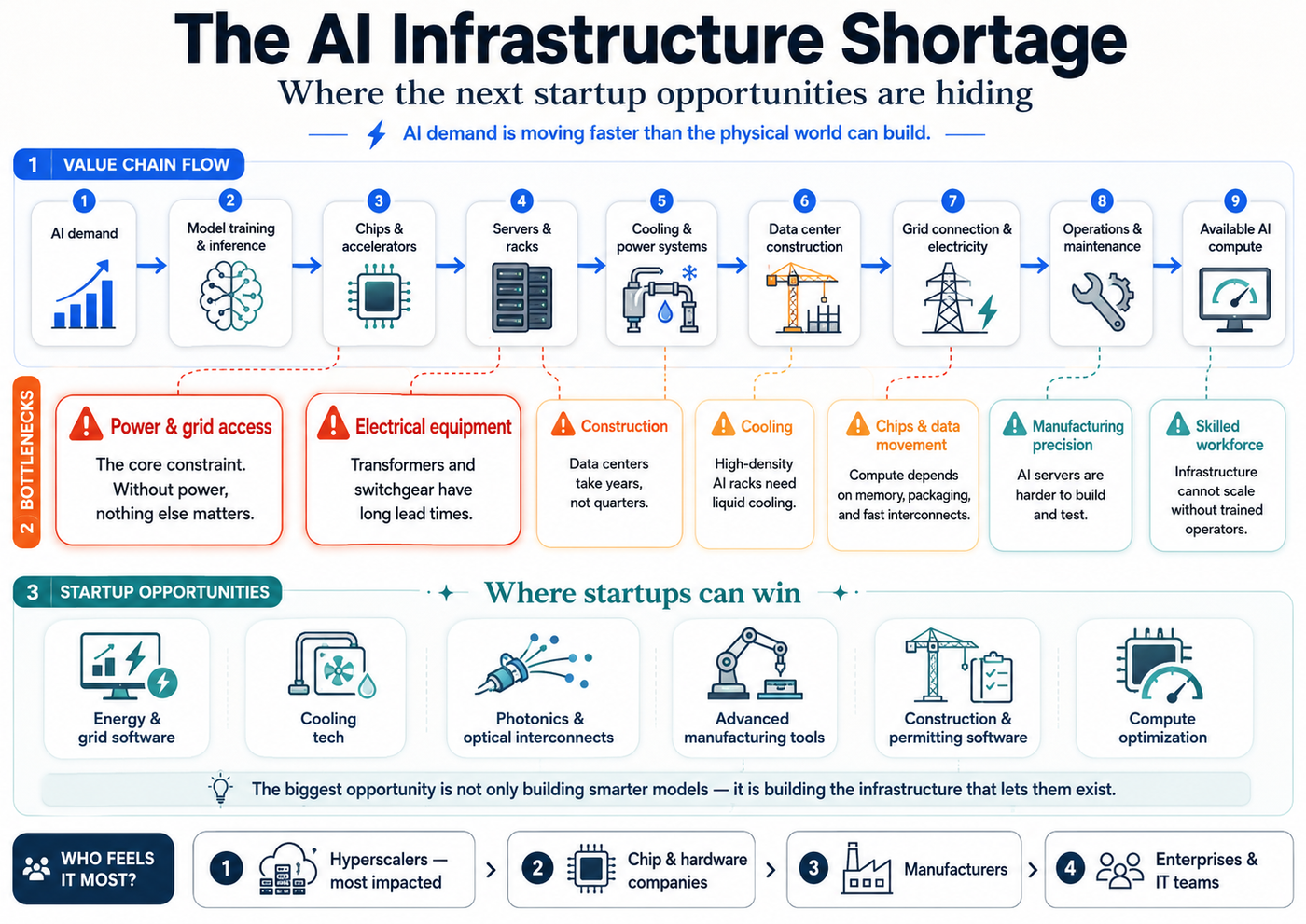
The problem is that bottlenecks are appearing across almost every layer.
If chips are delayed, servers are delayed.
If cooling is not ready, racks cannot run at full capacity.
If transformers are unavailable, the building cannot be powered.
If grid connection is stuck, the whole site becomes a very expensive warehouse.
AI infrastructure is only as strong as its weakest link.
3. The Main Bottlenecks
Bottleneck 1: Power and Grid Access
This is the biggest constraint.
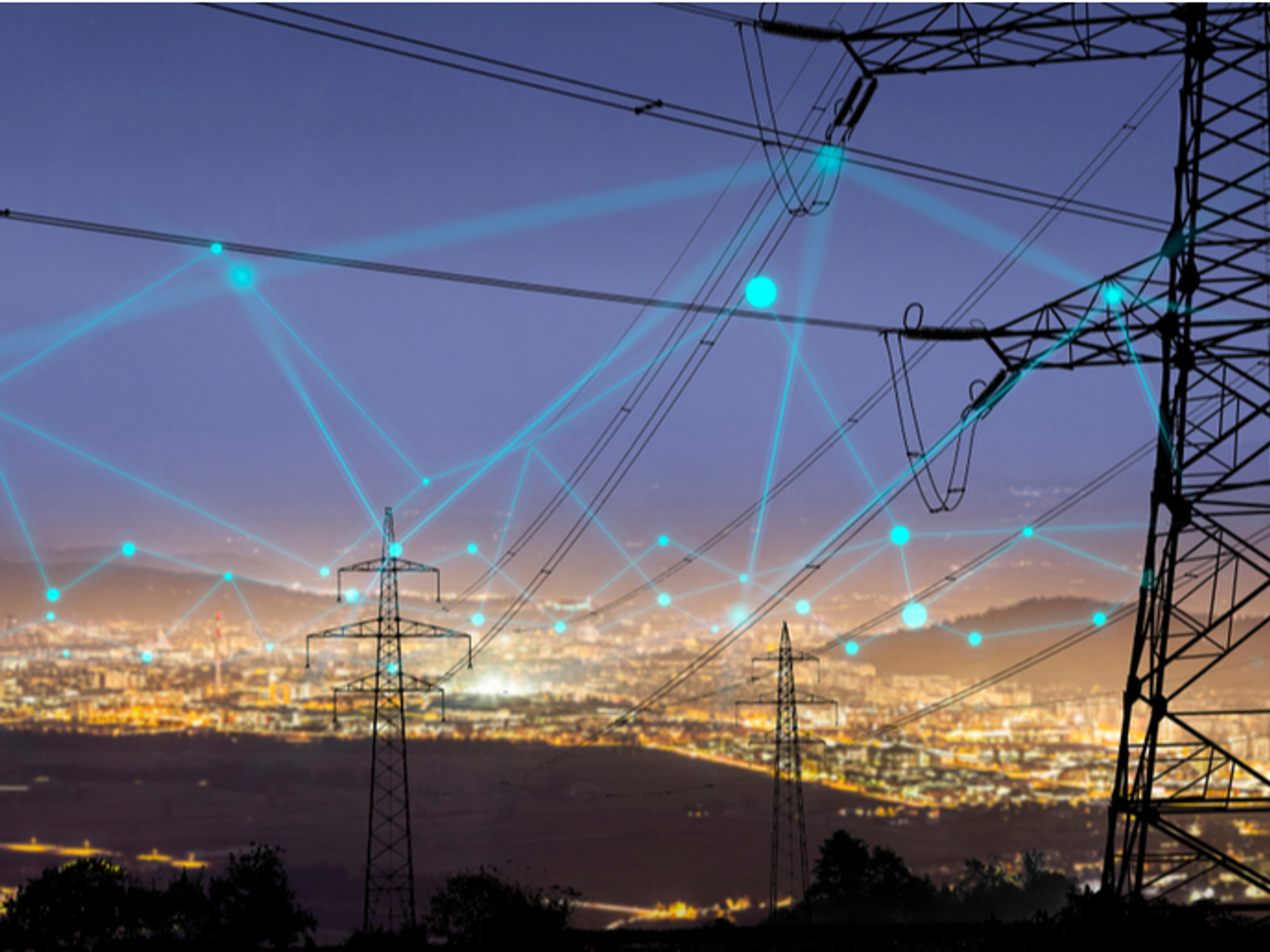
AI data centers consume huge amounts of electricity. The problem is not only whether enough power exists. It is whether power can be delivered to the right location, at the right scale, fast enough.
Local grids were not designed for this speed of demand growth. Data centers often face long waits for utility approval, grid connection, substations, and power allocation.
| Sector | Companies in the Space | What They Are Doing |
|---|---|---|
| Hyperscalers | Google, Microsoft, Amazon, Meta, Oracle | Securing long-term energy supply, signing power deals, investing in renewable and nuclear-linked energy strategies |
| AI data center operators | CoreWeave, Crusoe, Equinix, Digital Realty | Building large-scale AI data center capacity and looking for sites with better power access |
| Energy suppliers | Constellation Energy, NextEra Energy, Fervo Energy | Supplying nuclear, renewable, and geothermal power for data center growth |
| Advanced nuclear | Oklo, X-energy, NuScale, Kairos Power | Developing smaller or advanced nuclear power systems for future clean baseload electricity |
| Grid and electrical infrastructure | Schneider Electric, Siemens, Eaton, ABB, Vertiv | Building power management, grid equipment, and data center electrical systems |
Why this is a constraint: without power, nothing else matters. You can have the chips, the building, and the customers, but if the grid cannot support the load, the AI capacity does not exist.
Severity: Core bottleneck.
Bottleneck 2: Electrical Equipment
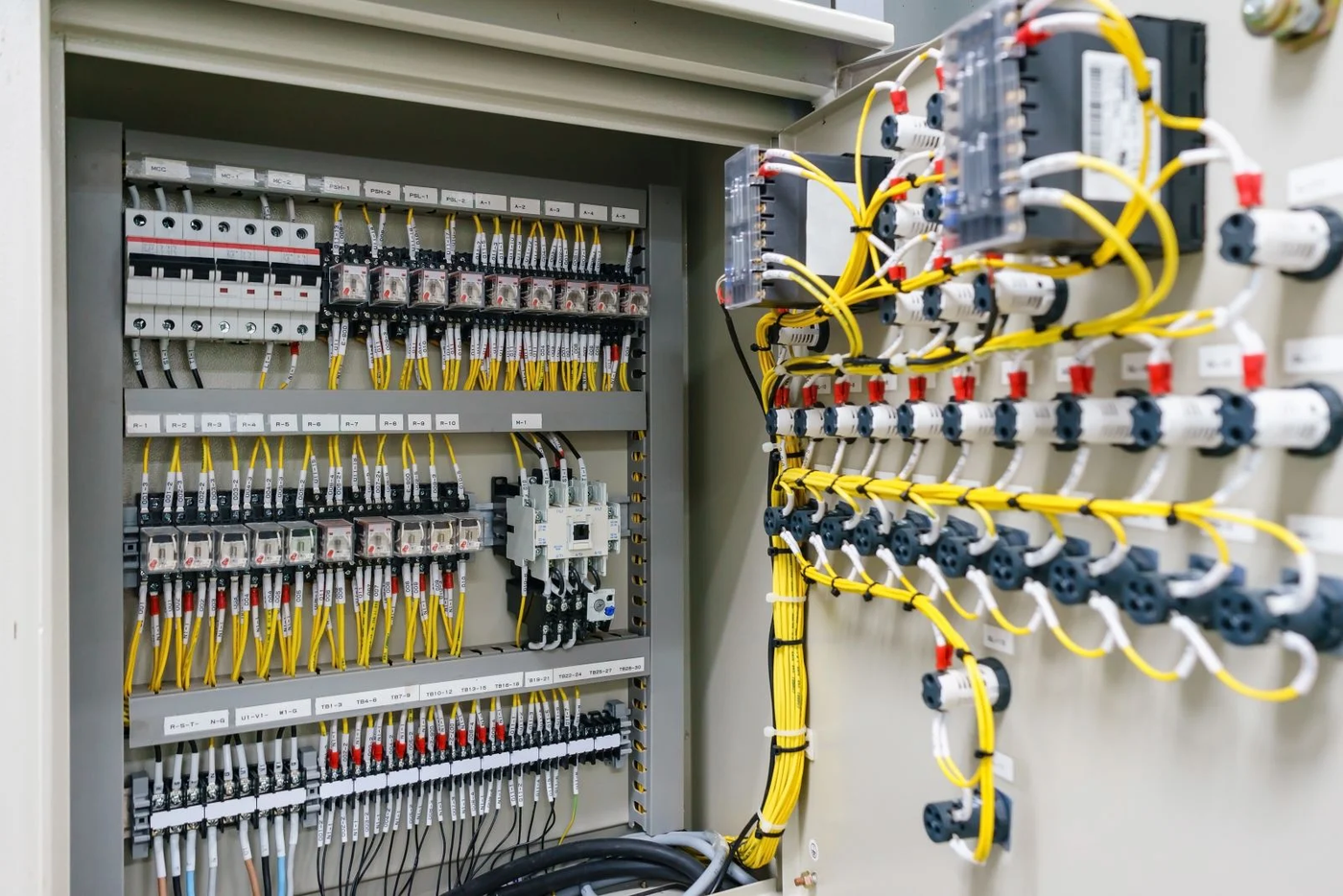
Even when electricity is available, data centers need equipment to safely bring that power into the site. This includes transformers, switchgear, substations, backup systems, and power distribution units.
These components are not glamorous. Nobody is writing love poems about switchgear. But they are absolutely critical.
| Sector | Companies in the Space | What They Are Doing |
|---|---|---|
| Electrical equipment | Schneider Electric, Eaton, Siemens, ABB, Hitachi Energy | Producing switchgear, transformers, and power distribution systems |
| Power systems | GE Vernova, Mitsubishi Electric, Delta Electronics | Supporting grid equipment, backup systems, and energy infrastructure |
| Data center power infrastructure | Vertiv, Legrand, nVent | Building power and thermal systems for high-density data centers |
| Electrical construction | Quanta Services, MYR Group | Building and upgrading grid and electrical infrastructure |
Why this is a constraint: transformers and switchgear can have long lead times. If they are delayed, the entire data center project can be delayed.
Severity: Core bottleneck, especially because it is hard to replace quickly.
Bottleneck 3: Data Center Construction
AI data centers are not normal buildings. They are industrial-scale facilities with huge power, cooling, security, and networking requirements.
Construction takes time because every project needs land, permits, utility coordination, cooling design, electrical systems, and specialized labor.
| Sector | Companies in the Space | What They Are Doing |
|---|---|---|
| Data center developers | Equinix, Digital Realty, Vantage Data Centers, QTS, CyrusOne | Building and operating hyperscale and AI-ready data centers |
| Global data center operators | NTT Global Data Centers, Stack Infrastructure, DataBank | Expanding capacity for cloud and AI workloads |
| Construction and engineering | Turner Construction, DPR Construction, AECOM, Jacobs, Bechtel | Designing and building large-scale data center campuses |
| Modular infrastructure | Compass Datacenters, Vertiv, Schneider Electric | Using standardized and modular designs to speed up deployment |
Why this is a constraint: construction cannot scale at software speed. You can launch an AI app overnight. You cannot launch a data center overnight, sadly.
Severity: Very high.
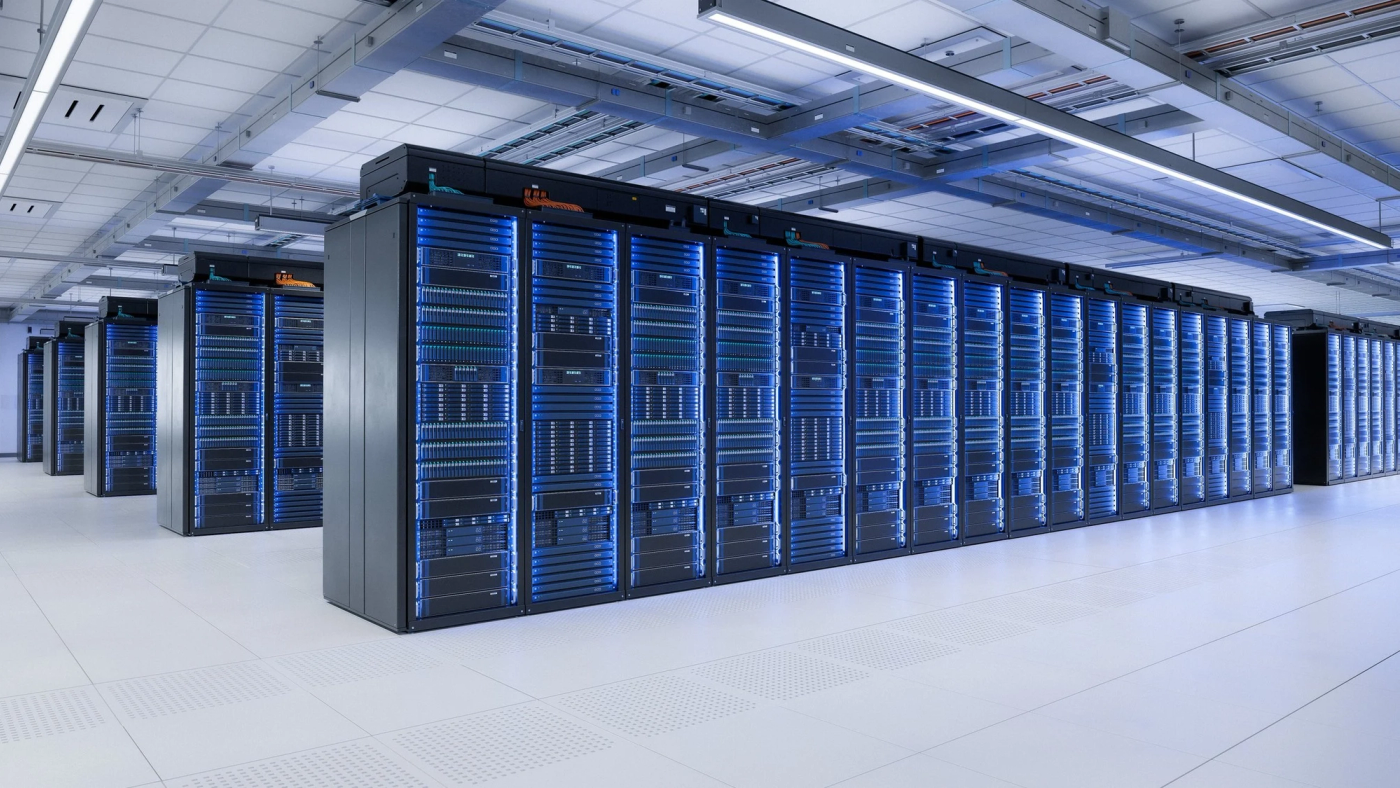
Bottleneck 4: Cooling
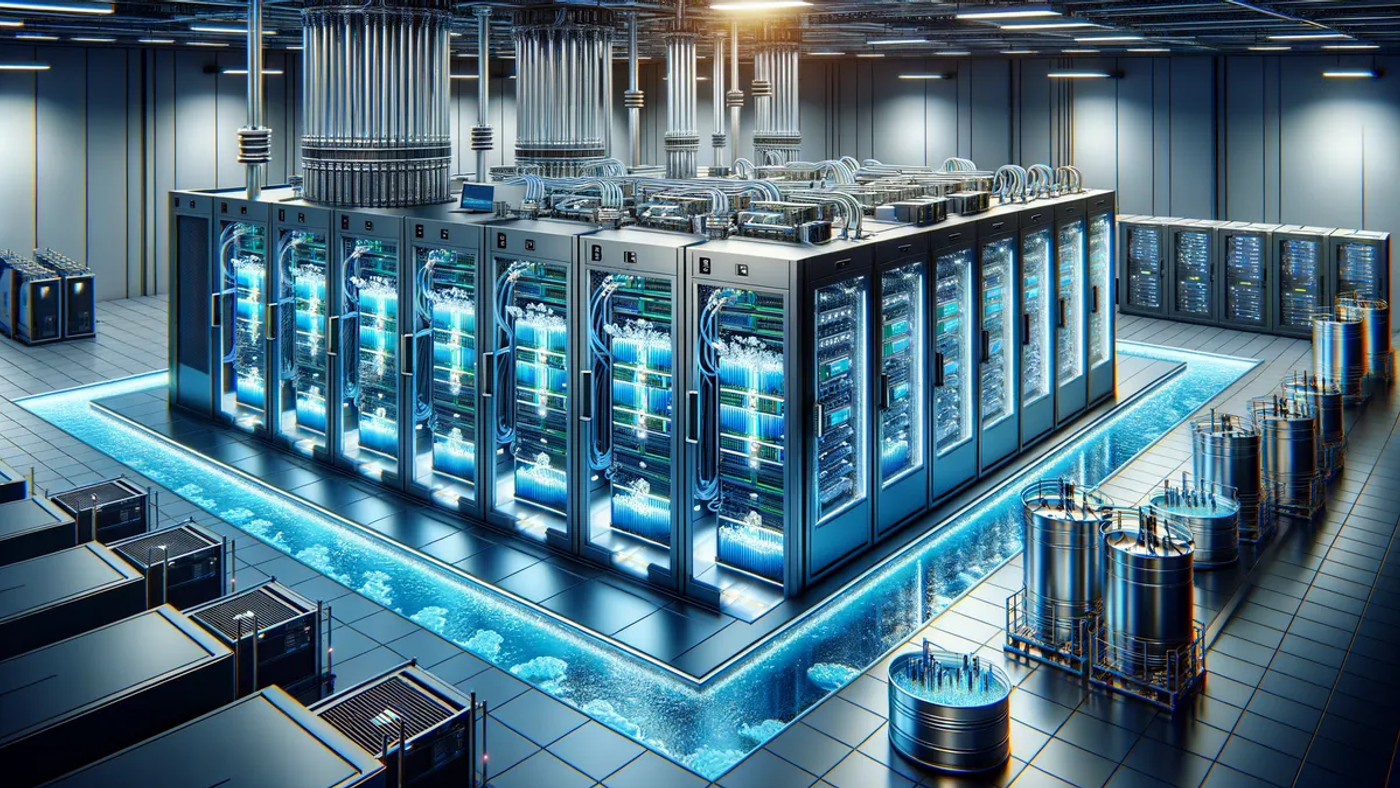
AI servers generate far more heat than traditional servers. As rack density increases, air cooling becomes less effective, and data centers need liquid cooling.
Cooling is now a core part of AI infrastructure strategy. If a data center cannot cool high-density racks, it cannot fully use the latest hardware.
| Sector | Companies in the Space | What They Are Doing |
|---|---|---|
| Liquid cooling | CoolIT Systems, Submer, LiquidStack, ZutaCore, Iceotope | Building liquid and immersion cooling systems for high-density AI racks |
| Data center thermal management | Vertiv, Schneider Electric, Boyd, Motivair | Providing cooling systems, cold plates, coolant distribution, and thermal infrastructure |
| HVAC and industrial cooling | Johnson Controls, Carrier, Daikin, Modine | Supporting large-scale cooling and facility-level thermal systems |
| Monitoring and optimization | nVent, Siemens, data center software startups | Improving cooling efficiency, leak detection, and thermal monitoring |
Why this is a constraint: more compute creates more heat. Without better cooling, expensive AI hardware turns into a very dramatic toaster.
Severity: High and rising.
Bottleneck 5: Chips, Memory, Packaging, and Data Movement
AI still depends heavily on advanced chips. But the bottleneck is not only “do we have enough GPUs?”
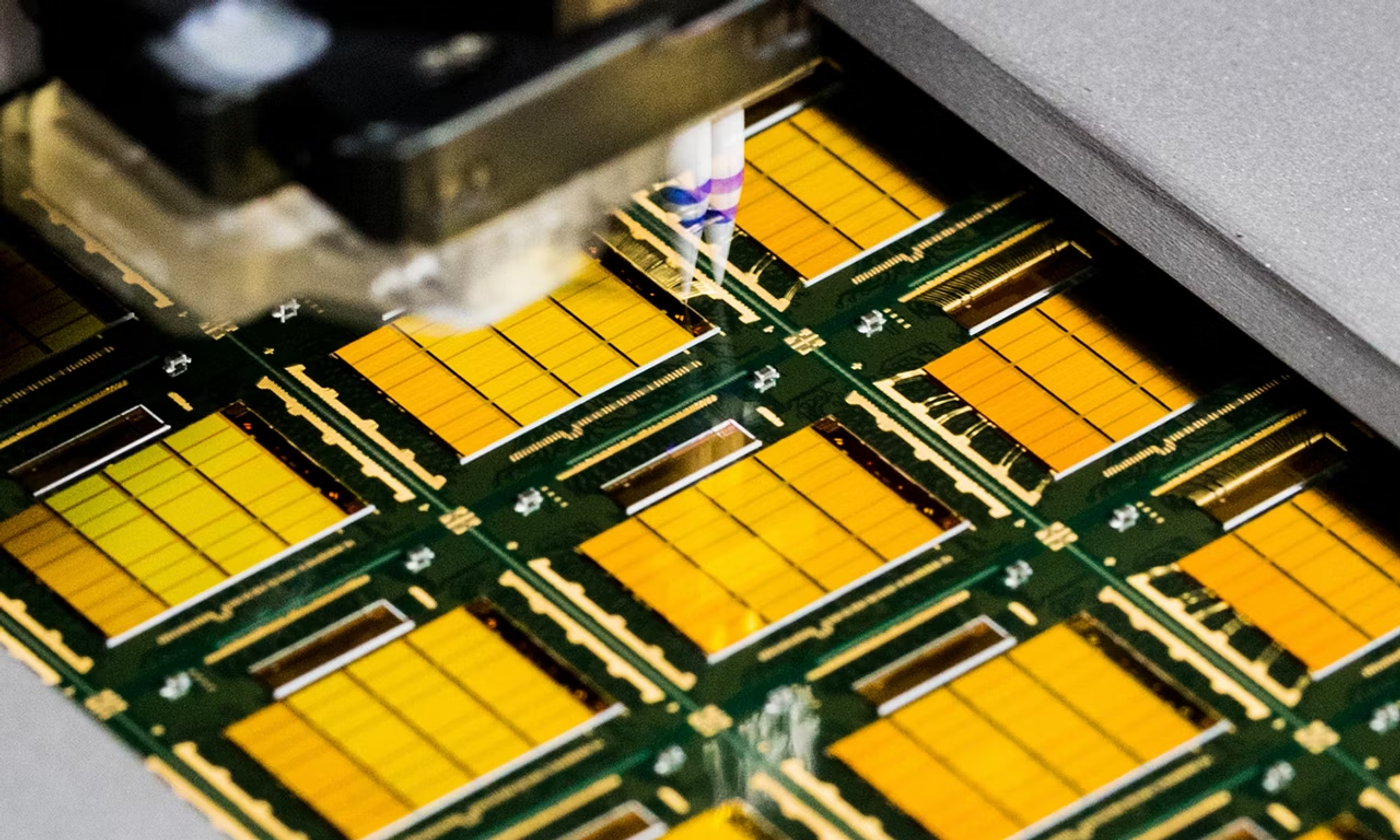
Modern AI systems also need high-bandwidth memory, advanced packaging, fast networking, and better ways to move data between chips and servers.
Moving data is becoming one of the biggest hidden problems in AI. Electrical connections consume power and face limits at scale, which is why companies are investing in optical interconnects and silicon photonics.
| Sector | Companies in the Space | What They Are Doing |
|---|---|---|
| AI chips and accelerators | NVIDIA, AMD, Intel, Cerebras, Groq | Building GPUs, accelerators, and alternative AI compute architectures |
| Foundry and packaging | TSMC, Samsung, Intel Foundry, ASE, Amkor | Producing advanced chips and packaging them for high-performance AI systems |
| Memory | SK Hynix, Micron, Samsung | Supplying high-bandwidth memory for AI accelerators |
| Networking and interconnects | Broadcom, Marvell, Arista, Cisco, Astera Labs, Credo | Building networking chips, switches, and connectivity for AI clusters |
| Photonics and optical links | Coherent, Lumentum, Ayar Labs, Celestial AI, Lightmatter, STMicroelectronics | Developing optical technologies to move data faster and more efficiently |
Why this is a constraint: AI performance depends not only on raw compute, but on memory and data movement. If data cannot move fast enough, the whole system slows down.
Severity: Very high for advanced training and large-scale inference.
Bottleneck 6: Manufacturing Precision
AI servers are harder to build than traditional servers. They involve dense racks, liquid cooling, complex cabling, advanced chips, and strict testing.
This creates a manufacturing challenge. Companies need more precision, better inspection, and faster operator training.
| Sector | Companies in the Space | What They Are Doing |
|---|---|---|
| Contract manufacturers | Foxconn, Quanta, Wistron, Inventec, Flex, Jabil, Celestica | Building servers, racks, and hardware systems for hyperscalers and AI hardware companies |
| Server OEMs | Supermicro, Dell, HPE, Lenovo | Designing and assembling AI server systems |
| Industrial automation | Siemens, Rockwell Automation, PTC, Tulip | Building software and tools for factory workflows, digital twins, and process control |
| AI quality inspection | Instrumental, Landing AI, Cognex, Keyence | Using computer vision and AI to detect manufacturing defects |
| AR-guided work | LightGuide, Augmentir, Parsable | Helping operators follow complex build steps with visual or AI guidance |
Why this is a constraint: if AI systems cannot be built reliably, supply remains limited even when demand is huge.
Severity: High.
Bottleneck 7: Skilled Workforce
The final bottleneck is people.
AI infrastructure needs electricians, cooling experts, data center technicians, construction teams, manufacturing operators, and field engineers. Many of these areas already face labor shortages.
A lot of technical knowledge also lives informally in experienced workers’ heads. That is a problem when companies need to scale fast.
| Sector | Companies in the Space | What They Are Doing |
|---|---|---|
| Industrial workforce software | Tulip, Augmentir, Parsable, MaintainX | Building digital work instructions, operator guidance, and maintenance workflows |
| Enterprise service tools | ServiceNow, Datadog, PTC | Supporting IT operations, field service, monitoring, and workflow management |
| Industrial automation | Siemens, Rockwell Automation | Helping factories and operators digitize complex processes |
| AR and training | LightGuide, PTC Vuforia, industrial AR startups | Using augmented reality to train workers and guide assembly |
| AI assistants for operators | Industrial AI startups | Turning internal documentation and expert knowledge into real-time copilots |
Why this is a constraint: infrastructure does not scale without people who know how to build, maintain, and troubleshoot it.
Severity: Medium-high, but becoming more important.
4. What Venture Opportunities Does This Create?
The AI infrastructure shortage creates opportunities far beyond model-building. The best startup opportunities are in companies that help the physical AI stack scale faster, cheaper, or more reliably.
Opportunity 1: Energy and Grid Software
| Sector | Companies Already Active | Startup Opportunities |
|---|---|---|
| Grid-aware compute | Google, Microsoft, Amazon, CoreWeave | Software that shifts AI workloads based on power price, grid stress, and carbon intensity |
| Energy procurement | Google, Microsoft, Meta, Oracle | Tools for power purchase agreements, renewable matching, and energy risk management |
| Demand response | Energy software startups, utilities | Platforms that help data centers reduce load during grid stress without killing performance |
| Long-duration storage | Form Energy, Rondo Energy, Antora Energy | Storage systems that make renewable power more useful for data centers |
| Geothermal and nuclear | Fervo Energy, Oklo, X-energy, NuScale, Kairos Power | Clean baseload power for AI data centers |
| Grid planning | Utility software startups | Interconnection queue analytics, permitting tools, and grid capacity forecasting |
Why this is attractive: power is the core constraint. Any startup that helps data centers get power faster or use power more intelligently sits close to the money.
Opportunity 2: Cooling Technology
| Sector | Companies Already Active | Startup Opportunities |
|---|---|---|
| Liquid cooling | CoolIT Systems, Submer, LiquidStack, ZutaCore | Better direct-to-chip cooling, immersion cooling, and coolant systems |
| Cooling monitoring | Vertiv, Schneider Electric, Siemens | Sensors and software to detect leaks, heat issues, and cooling inefficiency |
| Heat reuse | District heating and energy startups | Turning data center waste heat into usable heat for buildings or industrial processes |
| Low-water cooling | Cooling hardware startups | Cooling systems that reduce water usage and environmental pressure |
| Thermal optimization | Industrial AI startups | AI software that optimizes cooling based on workload and rack temperature |
Why this is attractive: as AI racks get denser, cooling becomes a direct limit on revenue. Better cooling means more compute per building.
Opportunity 3: Photonics and Faster Data Movement
| Sector | Companies Already Active | Startup Opportunities |
|---|---|---|
| Silicon photonics | STMicroelectronics, Ayar Labs, Coherent, Lumentum | Optical chips and components for AI data centers |
| Optical interconnects | Celestial AI, Lightmatter, Ranovus, POET Technologies | Faster, lower-power data movement between chips and systems |
| AI networking | Marvell, Broadcom, Arista, Cisco, Astera Labs | Faster network fabrics for AI clusters |
| Co-packaged optics | Marvell, Broadcom, photonics startups | Bringing optical connections closer to processors |
| Photonic computing | Lightmatter, Lightelligence, research labs | Using light not only for data movement, but potentially for computation |
Why this is attractive: AI is increasingly limited by moving data, not just processing it. Whoever reduces the cost and energy of data movement becomes very important.
Opportunity 4: Advanced Manufacturing Tools
| Sector | Companies Already Active | Startup Opportunities |
|---|---|---|
| AI inspection | Instrumental, Landing AI, Cognex | Computer vision systems that detect defects during AI server production |
| AR-guided assembly | LightGuide, PTC Vuforia, Augmentir | Step-by-step visual guidance for complex manufacturing tasks |
| Digital work instructions | Tulip, Parsable, MaintainX | Software that helps operators follow changing build processes |
| Yield analytics | Industrial AI startups | Tools that find why defects happen and how to reduce them |
| Test automation | Server manufacturers and hardware test startups | Faster burn-in, validation, and failure detection for AI systems |
Why this is attractive: AI hardware is hard to build. Startups that improve manufacturing yield can unlock real capacity.
Opportunity 5: Construction and Permitting Software
| Sector | Companies Already Active | Startup Opportunities |
|---|---|---|
| Site selection | Data center developers, GIS startups | Software that finds sites with land, power, water, and fiber access |
| Permitting | Construction tech startups | Tools that automate permit tracking and local approval workflows |
| Utility coordination | Energy software startups | Platforms that manage interconnection applications and utility timelines |
| Construction intelligence | Procore, Autodesk, AECOM, Jacobs | AI tools for schedule risk, procurement delays, and project coordination |
| Long-lead procurement | Supply chain startups | Marketplaces and planning tools for transformers, switchgear, and cooling components |
Why this is attractive: a lot of AI capacity is delayed before anything technical even happens. Permits and procurement are boring, but boring can be beautiful when it unlocks billions.
Opportunity 6: Compute Optimization
| Sector | Companies Already Active | Startup Opportunities |
|---|---|---|
| GPU clouds | CoreWeave, Lambda, Crusoe, RunPod | Better GPU availability, pricing, and workload routing |
| Inference platforms | Baseten, Modal, Together AI, Anyscale-style platforms | Cheaper and faster model deployment |
| Model optimization | Compiler and compression startups | Quantization, compression, and memory-efficient inference |
| Infrastructure monitoring | Datadog, Grafana, Weights & Biases | Observability for GPU clusters and AI workloads |
| Multi-cloud routing | AI infrastructure startups | Moving workloads across providers based on cost, latency, and capacity |
Why this is attractive: not every solution requires building more data centers. Some startups can unlock capacity by using existing compute better.
5. What This Means for Different Players
Hyperscalers
Hyperscalers are the most impacted.
| Sector | What Changes | Why It Matters |
|---|---|---|
| Microsoft, Google, Amazon, Meta, Oracle | They need to secure power, chips, land, construction capacity, and cooling faster than competitors | Their AI strategy depends directly on available compute |
| Cloud infrastructure | More vertical integration into energy and hardware | Cloud companies are becoming infrastructure and energy companies too |
| AI services | Capacity may become a competitive advantage | Whoever has more reliable compute can serve more customers |
Hyperscalers are no longer just cloud companies. They are becoming energy, hardware, and infrastructure operators with software on top.
Chip and Hardware Companies
| Sector | What Changes | Why It Matters |
|---|---|---|
| NVIDIA, AMD, Intel | Need to design full systems, not just chips | Performance depends on memory, networking, cooling, and software |
| Broadcom, Marvell, Arista, Cisco | AI networking becomes more important | Large AI clusters need faster data movement |
| Cerebras, Groq, accelerator startups | Alternative architectures get more attention | The market wants better performance, lower power, and easier deployment |
| TSMC, Samsung, SK Hynix, Micron | Packaging and memory become strategic bottlenecks | AI chips need advanced manufacturing capacity and HBM |
The key shift is from “best chip” to “best deployable system.”
Manufacturers
| Sector | What Changes | Why It Matters |
|---|---|---|
| Foxconn, Quanta, Wistron, Inventec | Need to build more complex AI servers and racks | AI hardware is harder to assemble and test |
| Dell, HPE, Lenovo, Supermicro | Need stronger AI server design and liquid cooling integration | Customers want deployable AI systems, not just boxes |
| Industrial software providers | More demand for factory AI and operator guidance | Better tools can improve yield and training |
Manufacturers that master AI system complexity become strategic partners, not just outsourced factories.
Enterprises and IT Teams
| Sector | What Changes | Why It Matters |
|---|---|---|
| Enterprises | AI cloud capacity may become more expensive or limited | Teams need better planning and budgeting |
| IT teams | Need to forecast AI usage earlier | “Infinite cloud capacity” is no longer a safe assumption |
| CIOs and CTOs | Need to diversify vendors and optimize workloads | Capacity shortages can affect product roadmaps |
| AI product teams | Need to care about inference cost and availability | Model choice becomes partly an infrastructure decision |
Enterprises may not build the infrastructure, but they will feel the shortage through pricing, availability, and deployment timelines.
6. Summary: The Shortage Is Also the Opportunity
The AI infrastructure shortage is not just a problem. It is a venture map.
The biggest constraint is power and grid access. Without electricity, nothing else matters.
The next major constraints are:
| Sector | Why It Matters |
|---|---|
| Electrical equipment | Transformers and switchgear are critical and slow to procure |
| Data center construction | Buildings take years, not quarters |
| Cooling | High-density AI racks need liquid cooling |
| Chips and data movement | AI needs compute, memory, packaging, and faster interconnects |
| Manufacturing precision | AI systems are harder to build and test |
| Skilled workforce | Infrastructure cannot scale without trained people |
AI’s next startup winners may not be model companies, but infrastructure companies solving compute’s physical limits: power, cooling, data movement, equipment materials, and construction.
That is why NVIDIA is leaning into photonics and optical networking to move data faster with less energy, while Elon Musk’s orbital data center ambition — and startups like Starcloud — point to a more radical idea: moving compute into space.
The simple thesis: the next AI opportunity is making compute cheaper, cooler, faster, and easier to scale.