Omen AI: A Real-Time Blood Test for AI Data Centers' Coolant
A 20-year-old founder raised $41 million to monitor whether the fluid inside AI cooling systems can still be trusted.
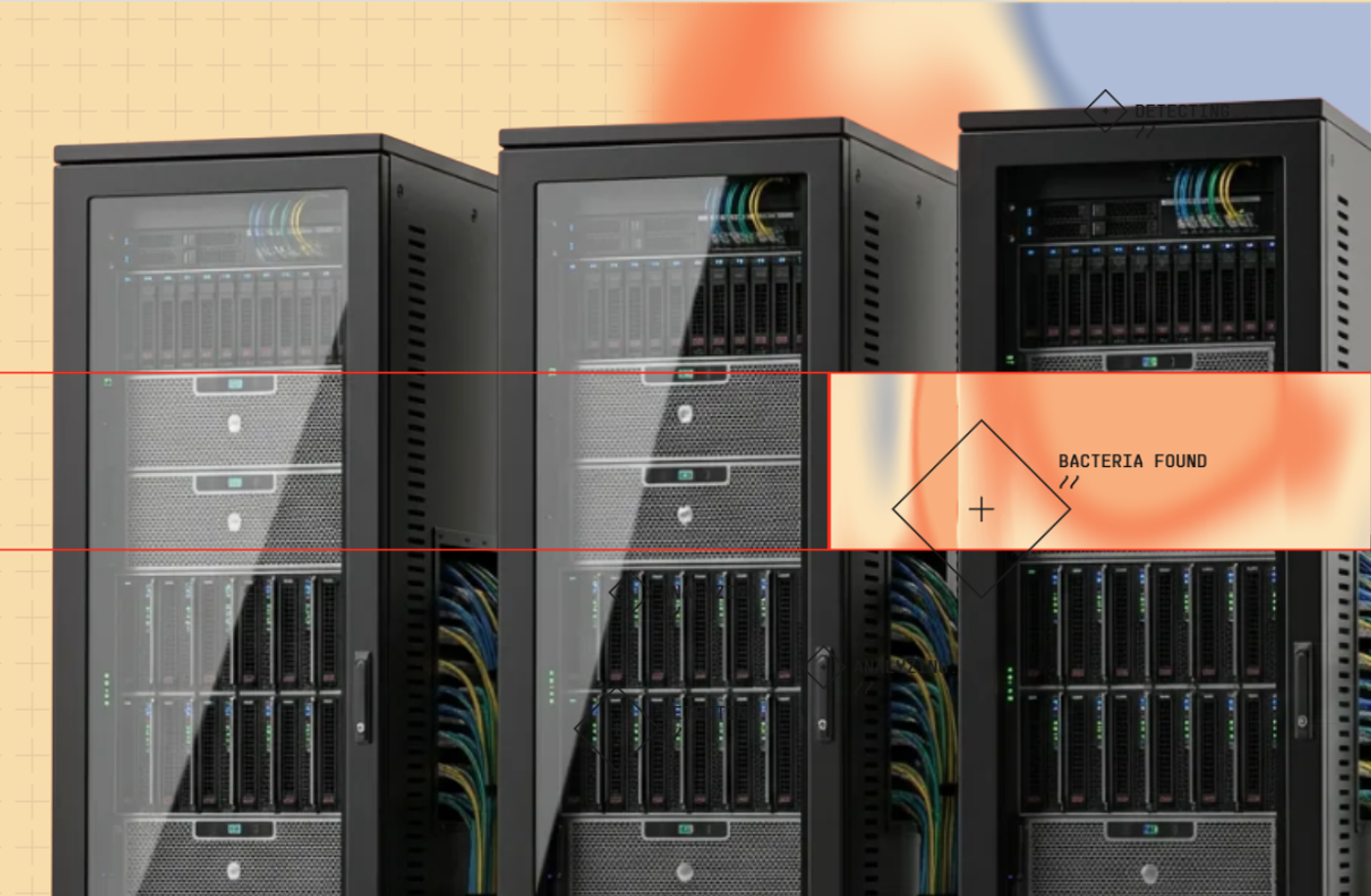
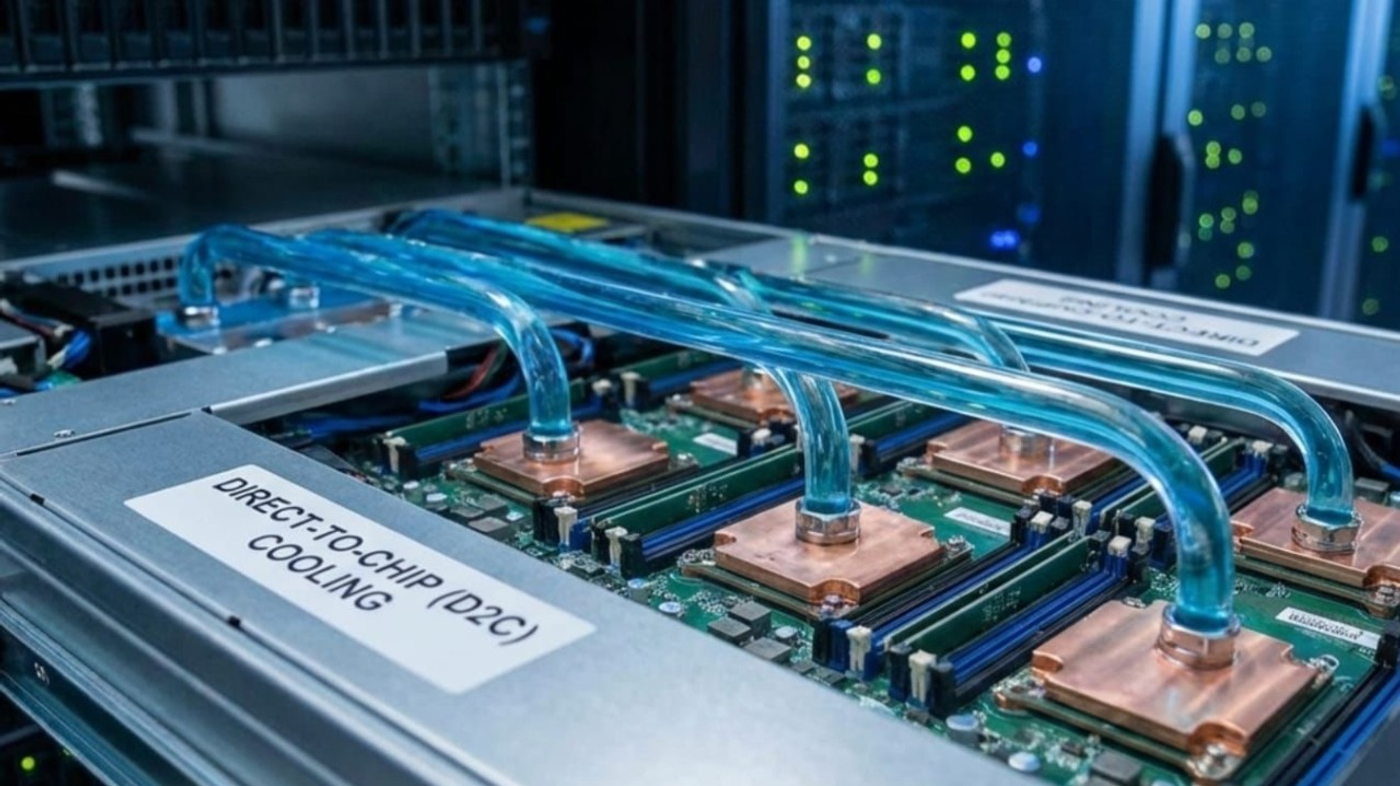
Most AI racks today cool themselves with direct-to-chip plates — coolant flowing through a metal plate sitting right on the chip. What almost nobody talks about is that the coolant itself quietly goes bad, and by the time anyone notices, a rack can be down for hours. In June, a San Francisco startup called Omen AI raised $31 million betting that watching that fluid, continuously, is a real business — not an afterthought.
My post about Ferveret here.
My post about AI Infra crisis here.
What Omen AI Actually Does
Here's the specific problem. The coolant flowing through a direct-to-chip system isn't pure water — it's mixed with an anti-bacterial additive — and over time it can pick up bacteria, plus tiny metal particles shed by worn-out pumps and seals.
Left unnoticed, that buildup clogs the system. When it does, the fix is to shut an entire rack down for five or six hours to flush and refill the fluid, which at data center scale can cost operators millions of dollars in lost uptime.
The standard way most operators check their coolant today is almost comically slow for how serious the problem is: mail a sample to a lab, wait several days for results. By the time you find out something's wrong, it may already be wrong.
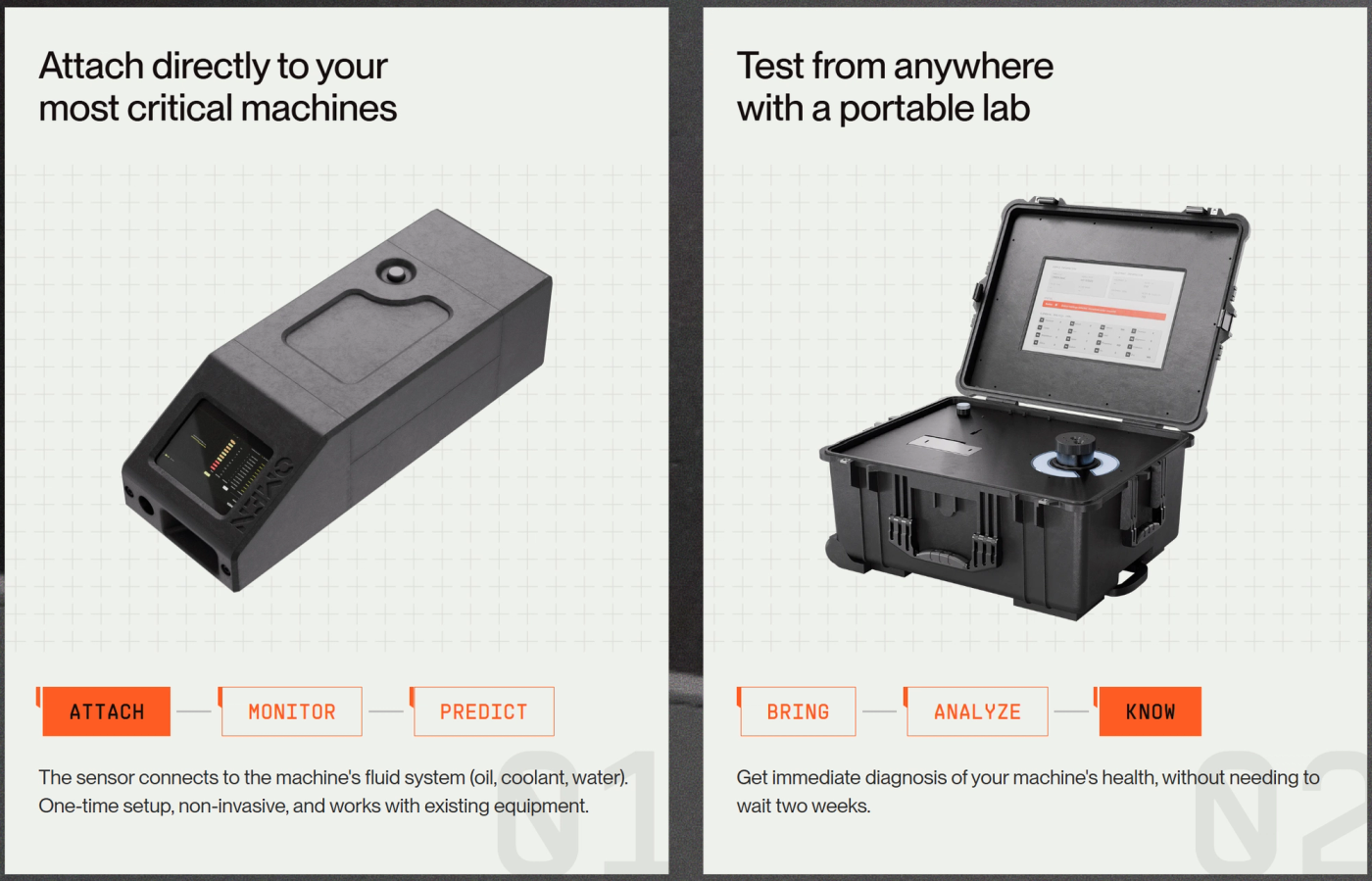
Omen's product is a small sensor — a spectrometer — that sits inline in the fluid loop and reads its chemistry continuously, in real time, on-site. No mailing samples, no waiting days. It comes in two versions: a permanent sensor wired into the system once that keeps watching indefinitely, and a portable cannister for a quick one-off check.
Data centers aren't even Omen's original business, either. The company started out doing the same kind of fluid monitoring for heavy machinery — construction equipment, generators — and only expanded into data centers a few months ago, after noticing that the equipment dealers serving its industrial customers also serviced the generators and turbines that power data centers. One market led naturally into the other.
A 20-Year-Old on His Second Company
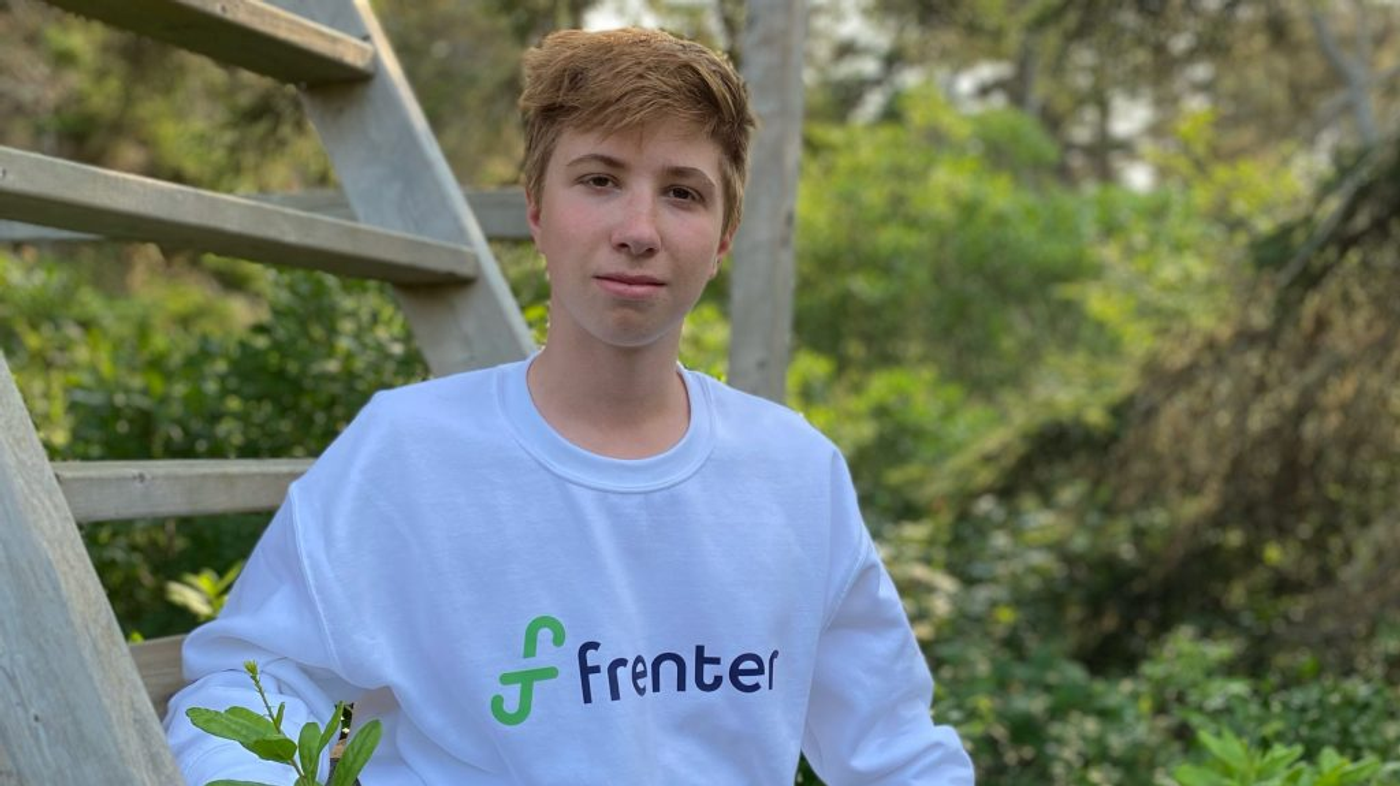
Omen's founder and CEO, Zach Laberge, is 20 years old. This is not his first rodeo. At 14, he dropped out of high school — with his parents' support (his mother is a former minister of education, so this wasn't exactly a reckless call) — to build Frenter — a P2P marketplace for renting out spare equipment. It grew, acquired a smaller competitor, and years later pivoted into fleet-tracking software for construction and rental companies, raising roughly $2.3 million along the way. That company's trail goes quiet around 2024 — the same year he started Omen.
The signal worth noticing is the speed: his seed round, $10.5 million, closed in just four days — usually a sign that investors who already trusted him from his first company were ready to move the moment he asked. That kind of fast, repeat trust from experienced backers is earned, not luck.
One signal worth noting is that no co-founder or senior technical lead appears in public reporting. That does not mean the expertise is absent; the team may simply not be visible from the outside. But based on what we can see, an unusually large part of the Omen bet rests on Zach himself. However, his track record seems to make that possible, but it is still a highly concentrated founder case worth watching.
What's Actually New About the Technology
Most fluid sensors on direct-to-chip systems today check one or two basic things, usually just pH or overall conductivity. Think of it like a home thermometer: useful, but it only ever gives you one number.
Omen's spectrometer instead reads more than 21 different chemical signals at once, continuously — closer to a full blood panel than a single thermometer reading. That breadth matters in practice. It doesn't just catch bacterial growth; it can spot specific trace metals that tell you exactly what's wearing out. Copper or chromium showing up means a pump is degrading. Silicon means a seal is failing. Often this shows up before it's visible any other way.
My first question was: why didn’t someone build this years ago? I guess the answer could be timing:
- Until recently, the sensors needed to analyse coolant continuously were too expensive to install at scale.
- At the same time, the software was not fast or affordable enough to process all that sensor data on-site in real time.
Now, both pieces are ready: the hardware is cheaper, and the software can interpret the data quickly enough. That combination makes Omen’s product commercially practical.
So, despite the company’s name, the real innovation is not a groundbreaking AI model. It is the combination of affordable sensing hardware and better signal-processing software.
Omen Isn't Alone
I found 4 companies matter here, and they split into three buckets: two are real competitors, one isn't a competitor at all, and two are a slower, different kind of threat.
| Company | Threat level | Why |
|---|---|---|
| Pyxis Lab | Direct competitor — ahead commercially | Already selling the same monitoring job, with simpler, older sensor tech |
| Trinity Biotech | Direct competitor — ahead technically | Reads many signals at once like Omen does, but not live yet |
| Iceotope | Not a competitor | Makes cooling hardware, not monitoring |
| Vertiv / Schneider Electric | Bundling risk, not a straight rival | Already build basic monitoring into hardware every data center needs anyway |
Pyxis Lab and Trinity Biotech. Both do the same job Omen does — read the coolant's chemistry — and a data center will only trust one vendor for that job.
Pyxis is ahead commercially: it's already selling, into the same operators, for the same use case. But its technology is simpler and older, a handful of single-parameter sensors, the same category water treatment plants have used for decades.
Trinity Biotech is behind commercially — still validating, not live — but closer technically: mass spectrometry reads many compounds at once, like Omen's spectrometer, rather than one signal per sensor. However, Trinity Biotech didn't build that capability, it acquired it. That says something about how hard this technology actually is to get.
Iceotope. It builds cooling hardware, not monitoring software. A customer would run Iceotope's cooling system and Omen's sensor together, not choose between them.
Vertiv and Schneider Electric. These two make the coolant distribution units every data center needs anyway, and both already ship basic single-parameter monitoring inside that hardware today. A customer isn't choosing between a Vertiv CDU and an Omen sensor — they need the CDU regardless. The risk is that if either builds, or buys the way Trinity Biotech just did, a deeper version of that built-in monitoring, fewer operators will bother paying extra for Omen on top. Not exclusion. Just less reason to buy.
Omen’s Edge: What competitors cannot easily copy is Omen’s calibration model— the software that turns raw sensor readings into useful warnings. By comparing sensor data with laboratory tests, maintenance records and confirmed equipment failures, Omen can learn which patterns mean that a pump, seal or other component is starting to fail.
Building an accurate calibration model requires time and data from real equipment. That is Omen’s strongest advantage, because the sensor hardware itself is becoming easier for competitors to reproduce.
What It Takes to Win
Strip away the excitement, and Omen is not yet a defensible software business. It is a promising sensor company trying to become one. The entire venture case depends on proving two things:
- that its calibration model becomes more accurate with every deployment,
- and that customers will pay continuously for the intelligence it produces.
If neither happens, Omen is left selling hardware once rather than building a recurring, compounding business.
Pyxis already has decades of industrial credibility, while Trinity Biotech has the resources of a public company. Omen therefore has to turn its early momentum into real deployments before those competitors close the gap.
The biggest threat, however, is not another specialist sensor company. It is Vertiv or Schneider Electric deciding that advanced fluid monitoring should simply be built into the cooling equipment they already sell. Omen’s window is narrow: it must become the trusted monitoring layer before the larger equipment providers make it a bundled feature. If it succeeds, its calibration model and deployment data could become a genuine moat. If it fails, the sensor itself will not be enough to protect the business.
HOWEVER, none of that makes Omen a bad bet. The technology is real, the timing is real, and the early traction is unusually strong for how young the company is. The next 12 to 18 months, not the last, will decide whether this becomes the category's default winner.