
Yann LeCun Thinks LLMs Are Not the Final Boss
Yann Lecun World Model AI challenges the LLMs dominance

Right now, AI discourse is basically one giant group chat arguing about LLMs.
Who has the biggest model?
Who has the longest context window?
Who can code better?
Who can reason harder?
Who is winning the leaderboard this week?
But Yann LeCun, one of the most influential AI researchers in the world, has a very different take: LLMs are useful, but they are not the path to human-level intelligence. His argument is not that LLMs are useless. He openly acknowledges that they are extremely helpful for writing, coding, research and language-heavy work. His point is more specific: scaling LLMs alone will not magically give us true reasoning, planning or real-world understanding.
And honestly, I think this is the part people often miss.
LLMs are very good at language because they live in the world of text. But the real world is not just text. The real world has physics, motion, cause and effect, uncertainty, objects, humans, sensors, consequences, and annoying things like “the cup falls if you push it off the table.” A chatbot can explain gravity beautifully. A robot still struggles not to be embarrassing in your kitchen.
This is where LeCun’s idea of world models comes in.
A world model is basically an AI system that learns how the world behaves, not just how language is arranged. Instead of predicting the next word, it tries to understand the underlying structure of reality: how objects move, how actions lead to consequences, how systems behave over time. LeCun argues that this kind of understanding is necessary if we want AI that can truly plan, reason and act reliably in the physical world.
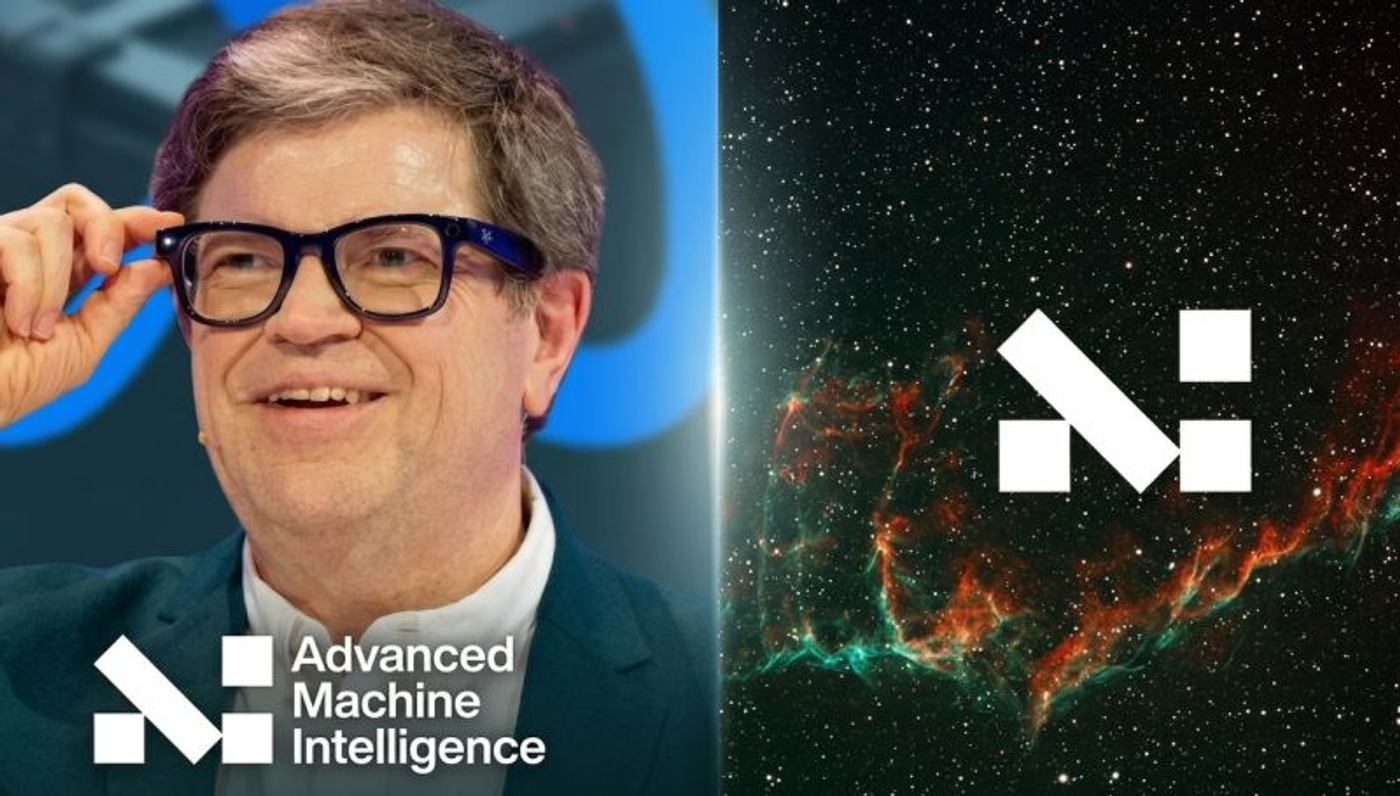
His company, Advanced Machine Intelligence, or AMI, is being built around this thesis. The company is headquartered in Paris, and LeCun sees it as a European alternative to the US-China AI race. That is also interesting because his argument is not only technical; it is political and strategic. He believes AI will become a platform, and platforms should be open, diverse and fine-tunable — not controlled only by a few closed American labs or dominated by Chinese open-source models.
This is where his view becomes spicy.
LeCun is basically saying:
The current AI industry is too obsessed with closed frontier labs, bigger LLMs, and chatbot-shaped intelligence. Meanwhile, the harder and more important problem is still unsolved: how to build AI that understands the world well enough to act in it.
That matters for robotics. It matters for autonomous driving. It matters for smart glasses. It matters for industrial systems like jet engines, steel mills and chemical factories, where thousands of sensors produce complex signals. A world model could help predict how those systems behave, instead of just summarising a report about them after the fact.
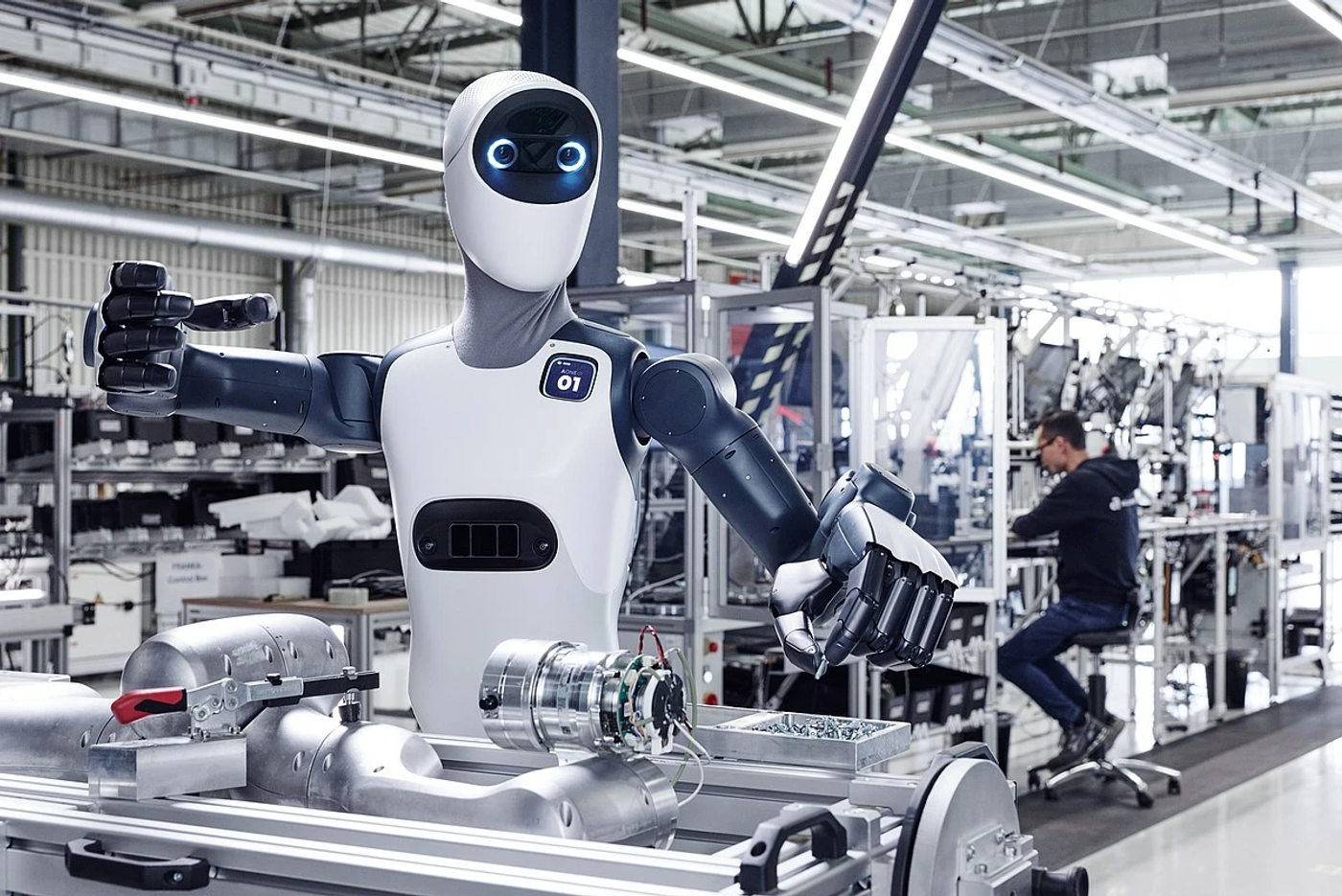
This also explains why today’s humanoid robot hype can feel a bit… theatre kid energy. Yes, robots can dance, flip, or do kung fu in demo videos. But LeCun’s point is that many of these behaviours are heavily pre-planned or require huge amounts of task-specific training. The hard part is not making a robot perform in a controlled clip. The hard part is making it useful in a messy, changing home where the floor has cables, the mug is in the wrong place, and someone’s dog is judging silently from the sofa.
So my takeaway is this:
LLMs may be the current interface of AI, but they may not be the final architecture of intelligence.
They are powerful. They are useful. They are already changing work. But if we want AI that can move through the world, understand consequences, assist in real environments and act reliably, we need something beyond language prediction.
That is why LeCun’s world model thesis feels important. It pulls the conversation away from “whose chatbot is smarter?” and toward a bigger question:
What does an AI system need to understand before we can trust it to act?
For now, LLMs are the celebrity layer of AI. Everyone knows them, everyone talks about them, everyone compares them.
But the next real breakthrough may come from something less glamorous and much deeper: AI that does not just speak about the world, but actually understands how the world works.