No Jobpocalypse, Just Workflow Dystopia
So the real question is not only “will AI replace jobs?” It is “How AI is reshaping job markets?”
1. Andrew Ng’s Point: The Jobpocalypse Narrative Is Too Simple
Andrew Ng recently pushed back against the idea that AI will cause a mass “jobpocalypse” His view is that AI, like previous waves of technology, will change jobs, automate parts of work, and create new opportunities — but that is very different from saying the whole labour market will collapse.
I think this is an important distinction. Fear makes good headlines, and the “AI will replace everyone” story benefits many people: the press gets clicks, frontier AI labs look more powerful, andt those lab companies can justify pricing or restructuring by saying their tools replace human labour.
2. My View: AI Replaces Workflows, Not Jobs
I agree that AI will not simply replace jobs in one clean dramatic wave. What it will replace first is workflows.
A job is not one task. It is a bundle of judgment, communication, context, accountability, and relationship management. But many workflows inside a job are repetitive, text-heavy, document-heavy, or data-heavy. Those are much easier for AI to compress.
That subtle difference matters. AI may not remove a job title overnight, but it can change how many people are needed, what skills are rewarded, and how much output each person is expected to produce.
3. Meta Shows Why People Are Still Anxious
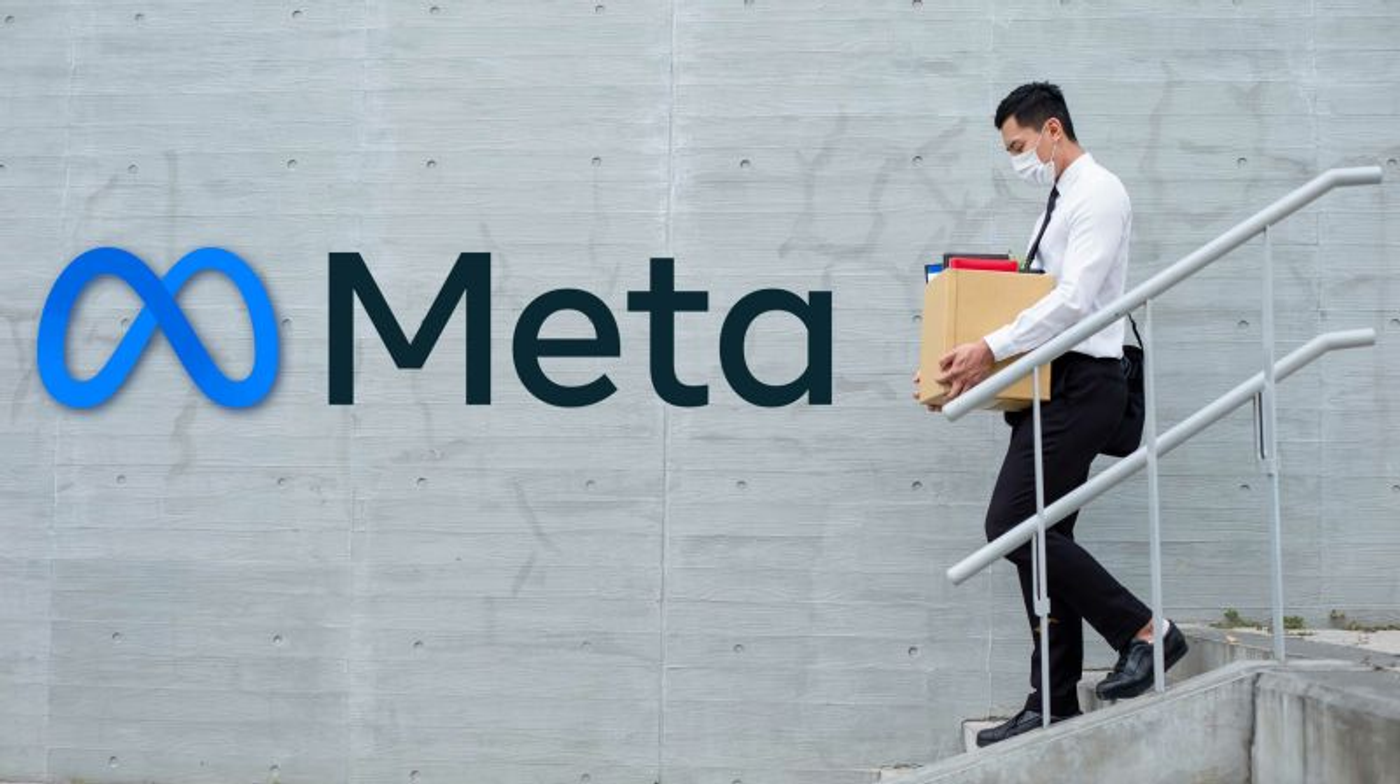
This is where Meta becomes the perfect example of why people are still anxious.
The issue is not simply “AI will replace engineers”. The more dystopian part is that Meta employees have reportedly pushed back against a mandatory internal programme that tracks work activity — including keystrokes, mouse movements and screenshots — to help train AI agents. Meta says it is for model training, not performance review, but the optics are brutal:
Employees feel like they are being watched while teaching the system that may later automate parts of their own work.
At the same time, Meta is cutting jobs, cancelling open roles, and moving thousands of employees into AI-related teams. So even if this is not a clean “AI jobpocalypse,” it clearly shows how AI can be used inside an AI-efficiency-obsessed company to compress workflows, restructure teams, and increase pressure on workers.
4. Key Takeaway
The story is not that AI is either a hoax or destiny. It is that AI has arrived in an economy already obsessed with efficiency, which makes the consequences uneven.
AI may not create a clean jobpocalypse. But it can still create workflow replacement, wage pressure, tougher entry-level markets, and more anxiety around job security.
So the real question is not only “will AI replace jobs?”
It is “How AI is reshaping job markets?”
Either way, heavy-workflow jobs have to go first.
Reference: https://www.deeplearning.ai/the-batch/issue-352 (Andrew Ng)