NVIDIA Landing a Moon Deal is just the Smallest Part of a Much Bigger Build
Inside NASA's Moon Base plan, and the 37 companies quietly building the parts nobody's talking about.
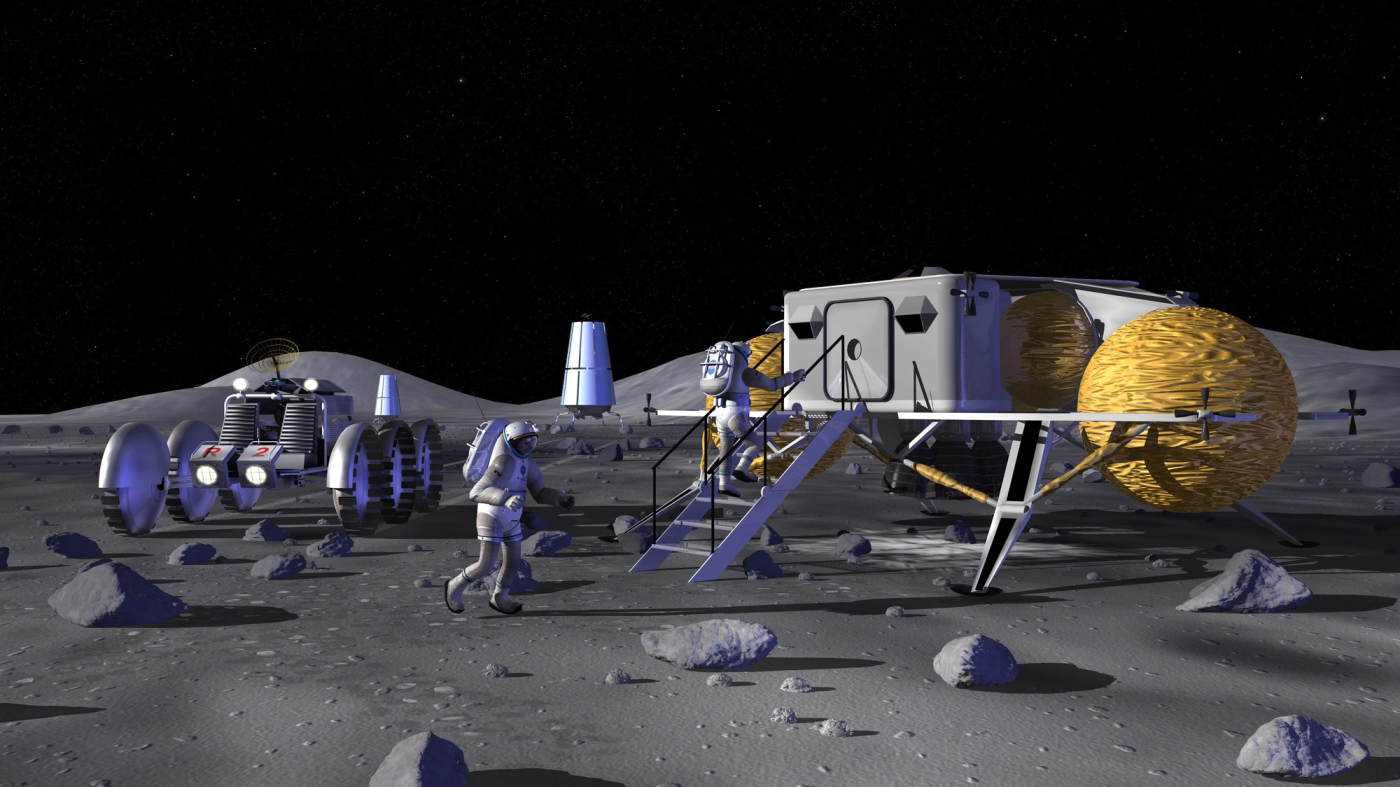
A Colorado robotics company just confirmed its next Moon rover will run on an NVIDIA chip — likely the first GPU to ever sit on the lunar surface. It's a fun headline, and it reminds me of something bigger which was announced a month ago: NASA is quietly building an actual Moon base, and it just brought in 37 companies to build the unglamorous parts that base can't function without. Here's the whole picture.
What Is the Moon Base?
Apollo was a visit. NASA landed astronauts, they explored for a few days, they left. The Moon Base is a completely different ambition: a permanent, staffed outpost near the lunar south pole, built to last.
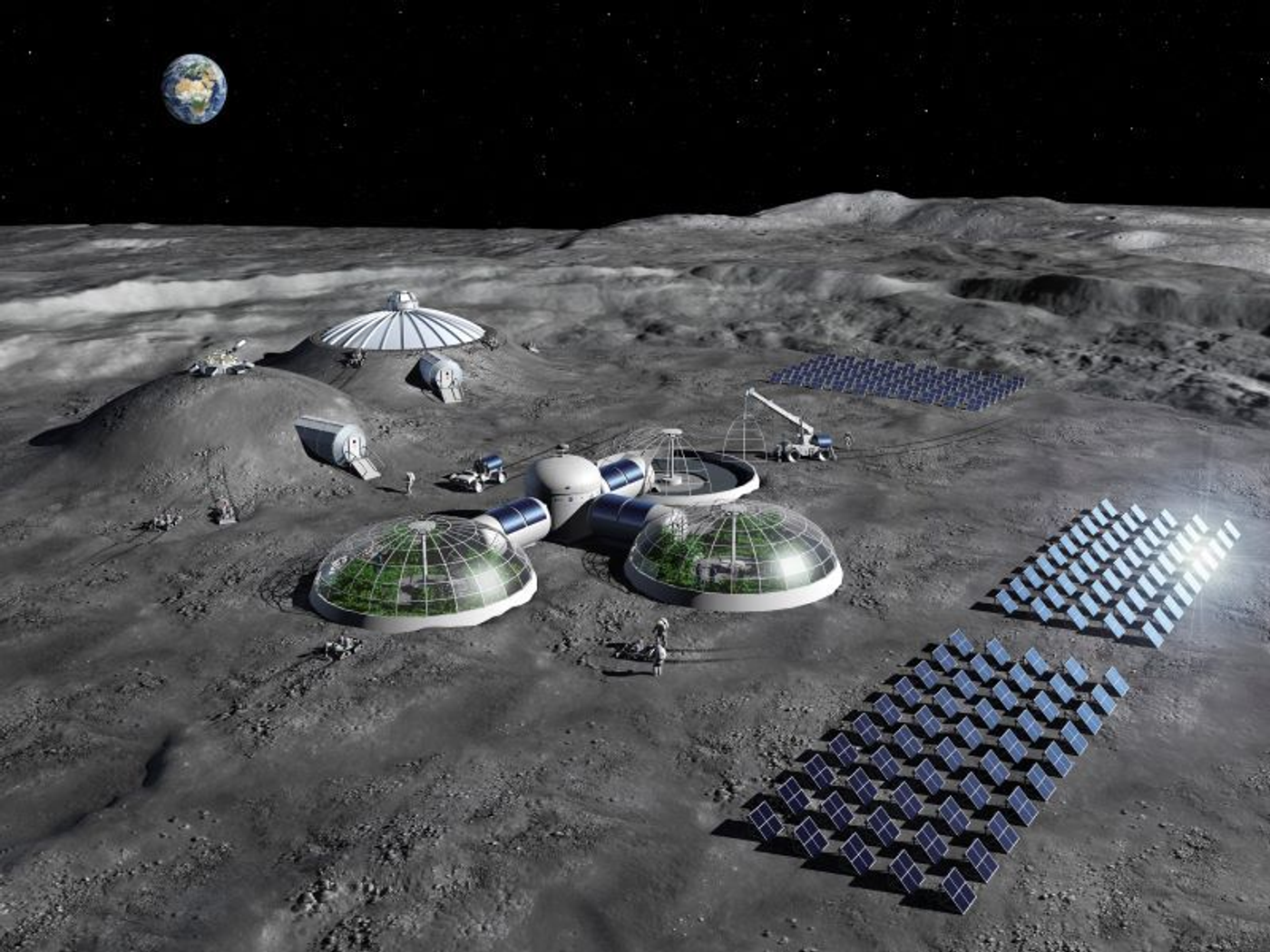
NASA chose the lunar south pole for two valuable resources. Some crater rims receive almost constant sunlight, making solar power more reliable. Nearby shadowed craters may contain water ice, which could be turned into drinking water, oxygen and rocket fuel.
NASA plans to build in stages: send robotic landers and rovers first, then astronauts. It has committed roughly $600 million to four new lander missions, alongside major contracts for human-rated rovers. Artemis IV, the first planned crewed landing under the current program, is targeted for early 2028.
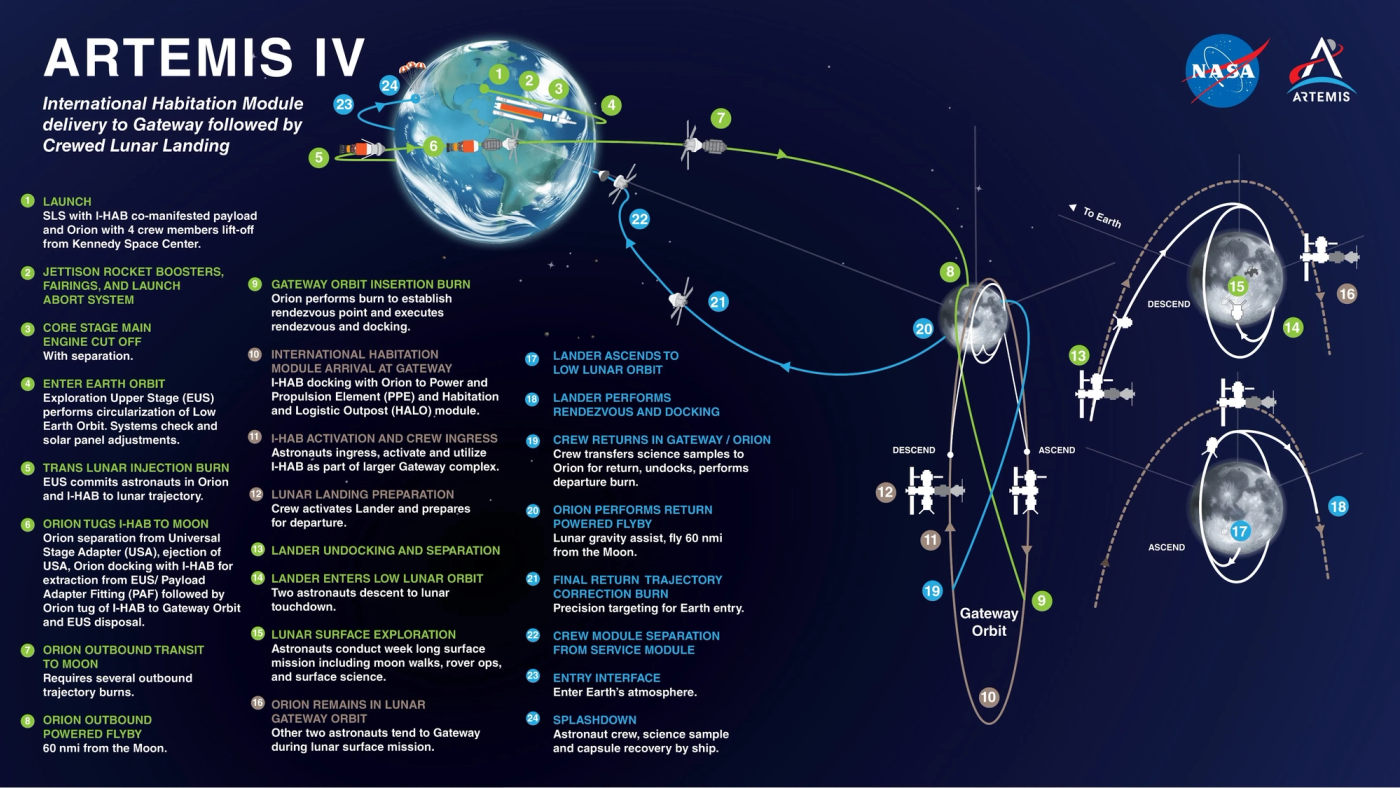
But landing people is only one part of the challenge. The harder question is what infrastructure they will need to stay.
The 37 Companies Building the Parts NASA Can't Buy Yet
A Moon base doesn't fail because of one big dramatic problem. It fails because of a hundred small unsolved ones — and in late June, NASA published a list of exactly which ones it's worried about.
Through a program called the Announcement of Collaboration Opportunity, NASA selected 41 proposals from 37 American companies to mature specific technologies the base will need. It's a strange, interesting deal structure: NASA isn't paying these companies cash. Instead, it's opening up roughly $30 million worth of its own resources — wind tunnels, thermal vacuum chambers, hypervelocity test ranges, engineers — and the companies match that with their own investment.
Everyone gets something: NASA gets technology it doesn't have to build in-house, companies get access to test infrastructure that would otherwise cost a fortune to build themselves.
A few examples give a sense of what's actually being worked on:
Power through the lunar night. This is NASA's single biggest unsolved problem for a permanent base. The Moon goes dark for roughly 14 straight Earth days at a time, temperatures crash to around -180°C, and any robot relying on solar power simply dies. Zeno Power is building a nuclear battery — a radioisotope power system, the same basic idea NASA has used since Apollo — specifically to keep the lights on through the darkness.
Beaming power without wires. Running power cables across dusty, crater-scarred terrain is impractical, so Lockheed Martin is testing a laser system that beams power directly to equipment that can't carry its own source.
Getting home cheaply. Stoke Space is working on a reusable rocket reentry system — one more piece of the puzzle that determines how often, and how cheaply, anyone can actually fly things to the Moon at all.
That's three. Here are all 37, straight from NASA's own selection list:
NASA-selected companies grouped by the infrastructure layer they are developing.
▣ Thermal Management
▣ Autonomy & Navigation
▣ Propulsion
▣ Docking, Assembly & Servicing
▣ In-Space Manufacturing & Materials
▣ Landing & Descent
▣ Structures & Habitats
▣ Power
▣ Dust Mitigation
What This Actually Signals
Put the NVIDIA chip and the 37 companies side by side, and the real story comes into focus. A GPU on a rover is a nice proof point — it says commercial hardware can survive up there. But it's one company, one chip, one mission. The 37-company list is the actual supply chain forming: dozens of specialized firms, each betting on a narrow, unglamorous piece of infrastructure, backed by a government agency that's now explicit about needing outside industry to pull this off.
Landers and astronauts get the attention, but they will not determine whether a Moon base lasts. That depends on less visible infrastructure such as nuclear batteries, wireless power and thermal systems. These technologies attract fewer headlines—and that may be exactly where the opportunity lies. NASA’s $30 million in testing support shows that a real supply chain is already forming around companies most people have never heard of.