
AI Agents Are the Second Phase of the AI Revolution
The chatbot era made AI feel intelligent. The agent era will make AI feel useful. And the physical AI era? That is when software finally grows arms and legs.
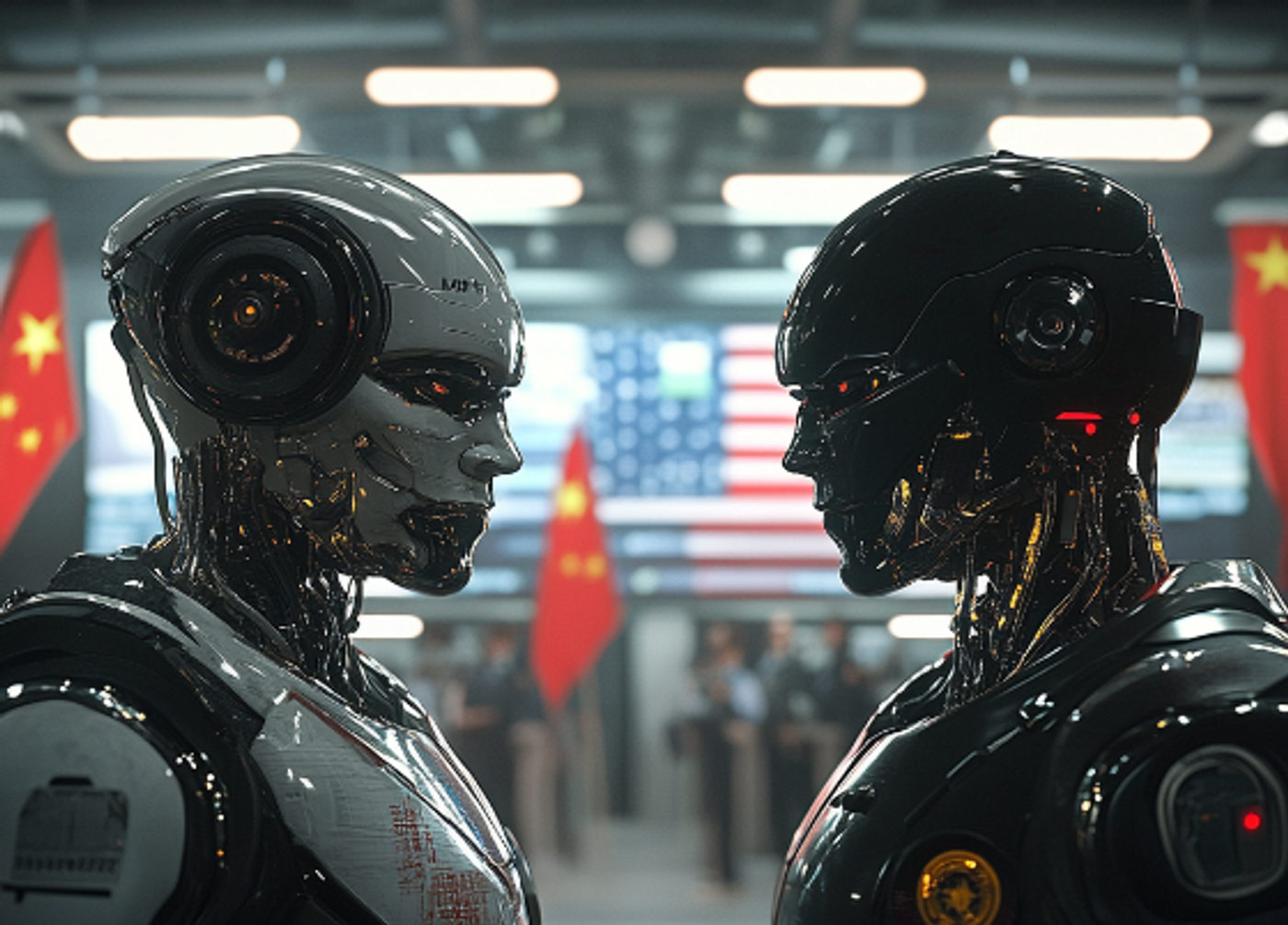
Recently, I’ve had this thought: what we are calling AI agents may actually be the second phase of the AI revolution.
The first phase was the chatbot era. We asked, it answered. It was magical, but mostly conversational. The second phase is different: agents do not just respond; they reason, plan, use tools, call APIs, search files, write code, update systems, and carry tasks from start to finish. Basically, we are moving from “AI as a smart intern in a chatbox” to “AI as a digital worker with a to-do list and access to software.”
This is an important milestone because it changes the unit of value. The product is no longer just an answer. The product is completed work.
McKinsey’s 2025 workplace AI report found that almost all companies are investing in AI, but only 1% believe they are mature, which shows the gap is no longer just model quality; it is turning AI into real workflow transformation. Research on AI agents also shows that they are increasingly capable of professional tasks with limited human involvement, but the ecosystem is still complex, fast-moving, and unevenly documented.
My forecast is that AI adoption will move in four stages.
First: chatbots — answer machines.
Second: digital workers — agents that execute end-to-end digital tasks.
Third: digital processes — entire workflows run by networks of agents, with humans supervising exceptions.
Fourth: physical AI — agents move from screens into robots, factories, warehouses, logistics, and manufacturing.
This is why I think the most important sector right now is not just “AI apps.” It is the agent infrastructure layer.
Before agents can run real businesses, they need infrastructure: orchestration, memory, tool-use, identity, permissions, observability, evaluation, security, and data access. MongoDB describes agentic infrastructure as the runtime that manages orchestration loops, tool calls, state, memory, security, observability, and evaluations. AMD also argues that agentic AI changes infrastructure needs because CPUs become critical for orchestration, tool calls, API triggers, enterprise software interaction, policy checks, and security.
So if I had to rank the most crucial sectors right now, I would say:
1. Agent infrastructure
This is the operating layer for digital workers. Without orchestration, memory, security, permissions, and monitoring, agents are just chaotic interns with admin access. Cute, but terrifying.
2. Developer tools
Developers are the first power users of agents. Coding agents are already showing what happens when AI can plan, write, test, and debug. This matters because developer tools often become the wedge before AI spreads into every other workflow.
3. Enterprise workflow automation
The strongest near-term use cases are paperwork-heavy, repetitive, text/data-based processes: legal, healthcare admin, finance ops, compliance, sales ops, customer support, procurement, and insurance. These are not glamorous, but they are where money leaks every day.
4. Data infrastructure
Agents are only as useful as the systems they can access. If enterprise data is messy, siloed, or locked away, agents cannot execute properly. The AI revolution still needs boring data plumbing. Sadly, the pipes are the product.
5. Physical AI infrastructure
This is the next frontier. NVIDIA’s Isaac GR00T work shows how robot foundation models, simulation, synthetic data, and vision-language-action models are being built to help robots understand instructions and perform physical tasks. The World Economic Forum has also framed “physical AI” as a new industrial operations layer, especially as robotics foundation models become the cognitive core for more general-purpose robots.
My take: the biggest opportunity is not choosing between developer tools, AI infrastructure, or vertical apps. It is understanding the sequence.
Agent infrastructure comes first.
Then digital workers become reliable.
Then full digital processes become possible.
Then physical AI becomes scalable.
The chatbot era made AI feel intelligent. The agent era will make AI feel useful.
And the physical AI era? That is when software finally grows arms and legs.