The AI Research Race Is Becoming Game of Thrones
The real conflict in AI is no longer just model versus model. It is mission versus money, research versus commercialization, and trust versus control.
The AI race is no longer just about better models. It is now a battle over talent, cloud access, capital, and credibility.
frontier AI is moving from research culture to industrial power politics.
1. The lab rivalry is really a talent and mission war
Thinking Machines Lab was founded by former OpenAI CTO Mira Murati and quickly became one of the most serious new challengers in frontier AI. It reportedly raised $2 billion at a $12 billion valuation, an extraordinary seed round for such a young company. Its pitch is also different: more openness, more customization, and tools like Tinker for fine-tuning open-weight models.
At the same time, the company has been pulled straight into the frontier AI talent war. WIRED reported that Thinking Machines cofounders Barret Zoph and Luke Metz, along with researcher Sam Schoenholz, left for OpenAI. That turned what already looked like normal Silicon Valley competition into something much uglier and more personal. WIRED also reported allegations around confidential information sharing, but said some key details could not be independently verified.
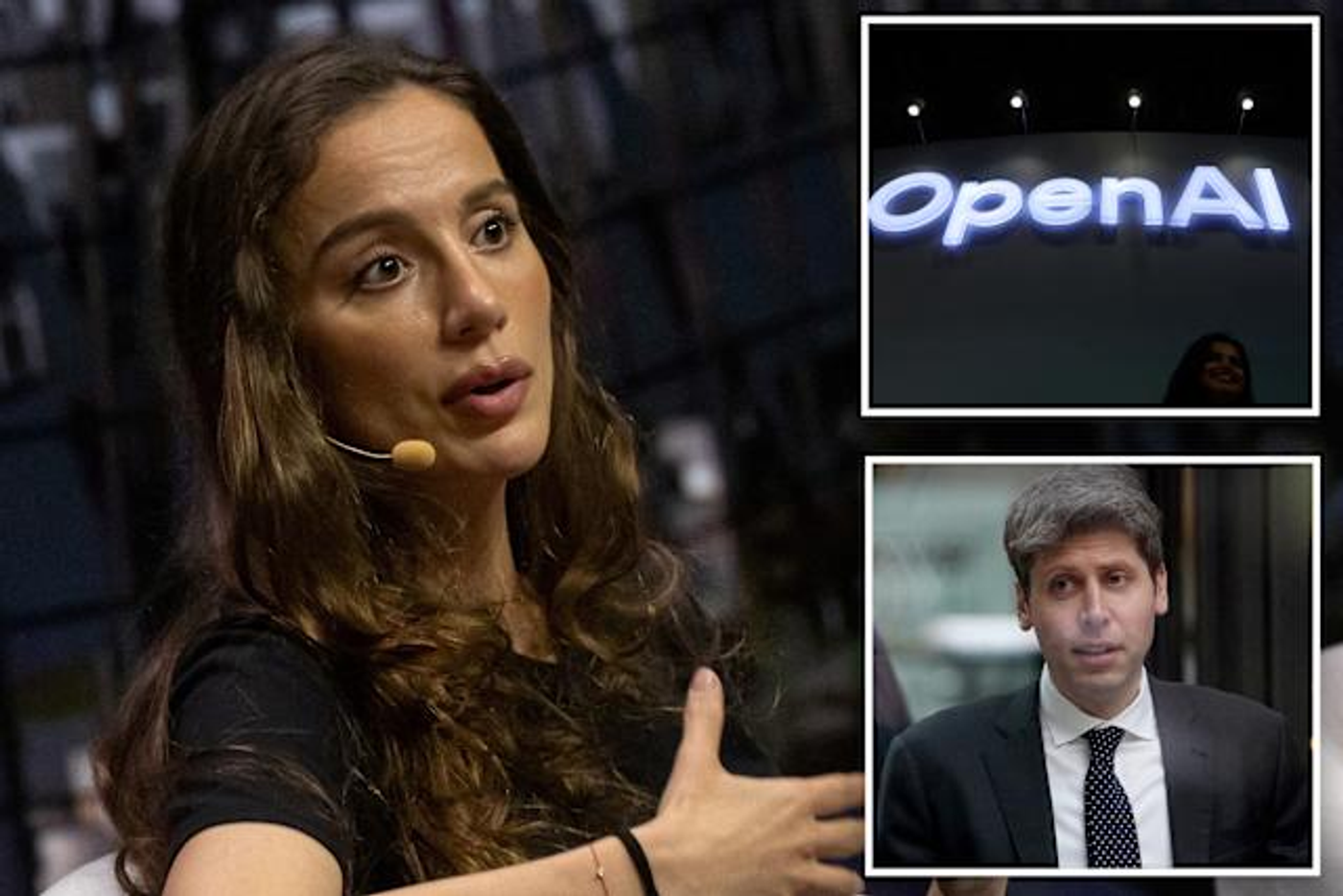
Mira Murati accused Sam Altman of being “dishonest” and “causing chaos”.
Anthropic sits in a different position. It was founded by former OpenAI leaders, built its brand around safety and trust, and has now become a giant in its own right. Reuters reported today that Anthropic raised $65 billion, reaching a $965 billion valuation, surpassing OpenAI’s reported March valuation.
So the rivalry is no longer just OpenAI versus “some startups.” It is now:
- OpenAI as the commercialization machine
- Anthropic as the safety-and-enterprise challenger
- Thinking Machines as the talent-heavy, more open-ecosystem contender
2. Microsoft and OpenAI: from perfect partnership to strategic tension
Microsoft helped make modern OpenAI possible. It invested $1 billion in 2019, then deepened the partnership with another massive multiyear investment in 2023. In return, Azure became the main infrastructure layer for OpenAI, and Microsoft integrated GPT into products like Copilot.
But success created a new problem: OpenAI got too big to stay fully dependent on one cloud partner.
Frontier AI now needs absurd levels of compute, storage, and runtime infrastructure. That is where the Microsoft–Amazon conflict enters.
Reuters reported in March that Microsoft was considering legal action over a reported $50 billion Amazon–OpenAI cloud deal tied to Frontier, OpenAI’s enterprise AI-agent platform. Microsoft argues Azure remains the exclusive cloud provider for OpenAI’s core stateless APIs, while OpenAI and Amazon appear to argue that Frontier is a different category of product, with more persistent or stateful functionality.

That distinction sounds technical, but it is hugely important. In simple terms:
Microsoft is saying: our exclusivity still matters.
OpenAI is saying: this Amazon deal is not the same thing.
Amazon is saying: we want a serious seat at the frontier AI table.
3. Why Microsoft may not want to push too hard
A lawsuit could protect Microsoft’s contractual rights. But it could also expose more of the Microsoft–OpenAI relationship than anyone wants in public.
Court discovery could force uncomfortable scrutiny of exclusivity terms, infrastructure dependence, revenue sharing, and data architecture. That matters because regulators are already watching Big Tech AI partnerships closely. So Microsoft faces a real dilemma: defend its position aggressively, or avoid opening the black box.
This is why the Microsoft–OpenAI–Amazon fight is not just a legal issue. It is a trust and governance issue.
If OpenAI presents itself as an independent frontier lab, but its cloud and platform rights are tightly negotiated among the biggest tech companies in the world, people will naturally ask: who actually controls the future of these models?
4. Elon Musk’s lawsuit exposed the deeper contradiction
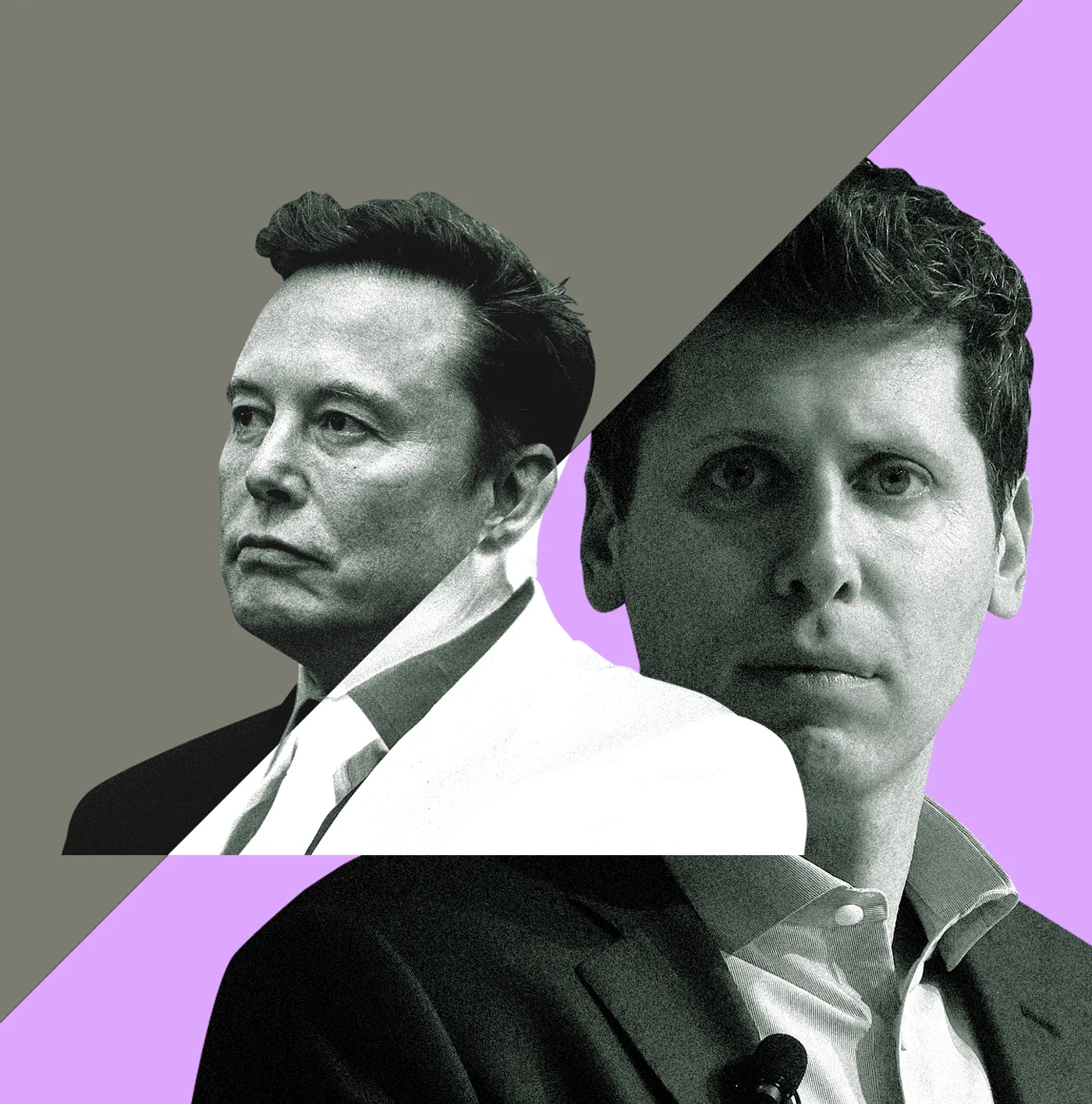
Elon Musk’s lawsuit against OpenAI pushed this question into public view. As the AP reported, Musk argued that OpenAI abandoned its original nonprofit mission and moved toward a high-value for-profit model that contradicted its founding purpose. OpenAI countered that Musk had once supported a for-profit direction and only turned hostile later. The jury did not resolve the philosophical issue, but the trial made one thing very clear:
It is extremely hard to keep a pure research-lab identity when the infrastructure bill for frontier AI is this large.
That is the core contradiction at the center of all of this.
AI labs still speak the language of safety, scientific progress, and public benefit. But the market around them now runs on:
- cloud exclusivity
- mega-round fundraising
- compute lock-in
- enterprise monetization
- talent poaching
- platform distribution
5. So what is this market really becoming?
The old story was: labs compete on intelligence.
The new story is: labs compete on systems.
The winners will not only be the ones with the best benchmark scores. They will be the ones that can combine:
- top research talent
- stable compute access
- cloud distribution
- enterprise trust
- legal flexibility
- capital at insane scale
That is why Anthropic’s safety brand, OpenAI’s commercialization machine, and Thinking Machines’ openness/customization thesis are all strategically different answers to the same market problem.
Final takeaway
The real conflict in AI is no longer just model versus model.
It is mission versus money, research versus commercialization, and trust versus control.
Microsoft wants to protect the infrastructure edge it paid for.
Amazon wants into the next layer of AI platforms.
OpenAI wants more independence without losing scale.
Anthropic wants to turn trust into market share.
Thinking Machines wants to prove there is still room for a different kind of lab.
And Musk’s lawsuit reminds everyone that the original nonprofit question never really went away.
So the uncomfortable truth is this:
frontier AI may still talk like science, but it now behaves like geopolitics and infrastructure.