
ALL DROPS
All essays

AI Is Advancing Faster Than the Control Systems
Frontier AI risk is not only about intelligence getting stronger. The bigger gap may be the missing control plane around autonomous agents: identity, permissions, monitoring, security and governance.

Isar Aerospace Just Reached Orbit, Why It Matters?
Isar Aerospace reached orbit from continental Europe. Here is why the milestone matters for launch, defence demand, satellite services and the next wave of space winners.

Sovereign AI Is All About Control
Sovereign AI is not just a government story. From Mistral to Latham & Watkins, the real question is how much of the AI stack countries and companies actually want to control.
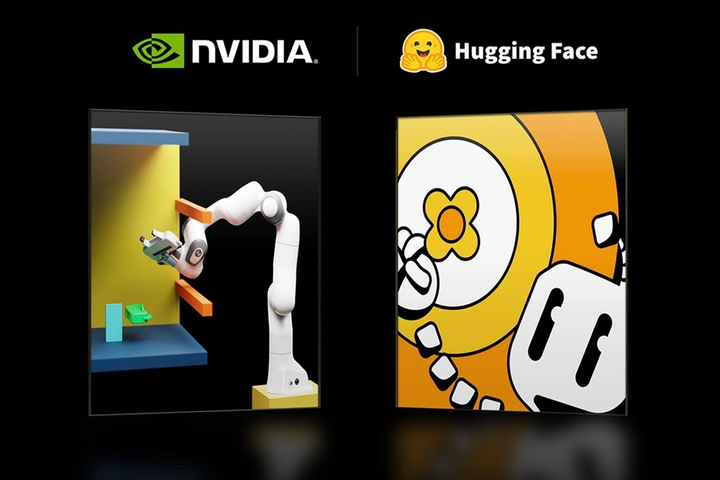
NVIDIA × Hugging Face: Synergies Breakdown
Why NVIDIA is paying $12.9B for Hugging Face, what each side gets, how the valuation makes sense strategically, and why neutrality is now the key question.
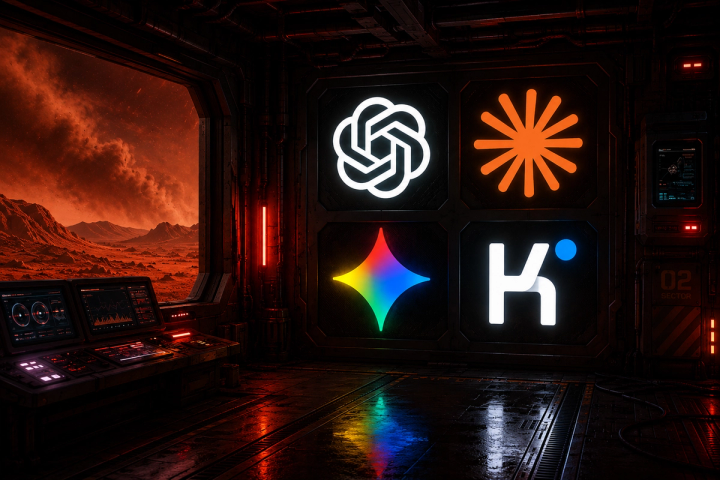
Fun Test on the Most Powerful AI Models: Fable 5, Sol 5.6, Kimi K3 and Gemini 3.1 Pro
Fun game test on Fable 5, Sol 5.6, Kimi K3 and Gemini 3.1 Pro, and my experience with these models.

Quantum 101: QKD vs PQC — The Encryption Civil War
One rewrites the maths. One rewrites the physics. Governments are spending billions on rival plans to keep encryption safe from quantum computers.
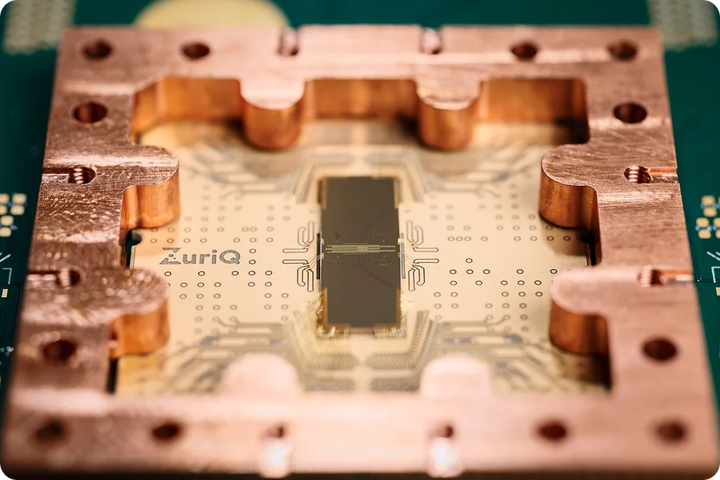
Nine Atoms, Two Dimensions: ZuriQ’s Quantum Breakthrough
A tiny Swiss startup just raised $25.5 million on a bet that has little to do with who has the biggest qubit count today—and everything to do with how quickly that count can grow.

Kimi K3 Controversy: Fable 5, Distillation and the Open-Weight War
The Kimi K3 controversy has turned open-weight AI into a fight over business models, intellectual property, export controls and technological sovereignty.
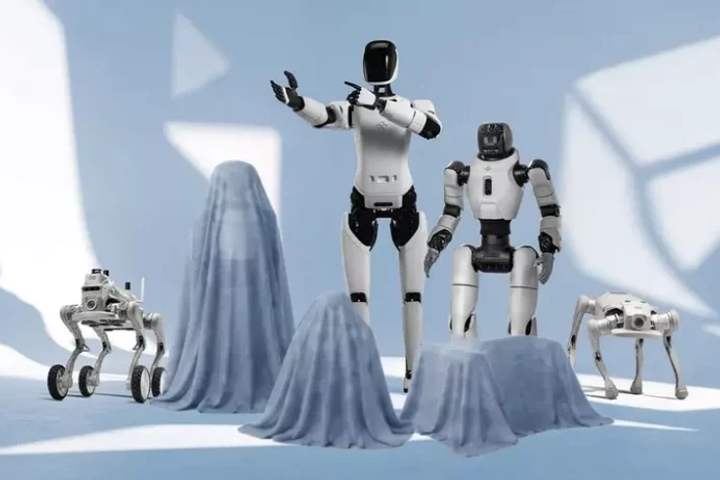
Physical AI 101: Signals Behind the Robotics Mega-Rounds
Robotics mega-rounds are multiplying, but the real signal is not that humanoids are suddenly everywhere. Physical AI is scaling first in structured environments—and the quieter opportunity may sit in the infrastructure and post-deployment stack.