
Sovereign AI Is All About Control
Sovereign AI is not just a government story. From Mistral to Latham & Watkins, the real question is how much of the AI stack countries and companies actually want to control.

Two recent stories made sovereign AI hard for me to ignore.
Mistral raised €3B at a €21B valuation, doubling down on European, open-weight AI. Then Latham & Watkins started buying its own NVIDIA servers and running models on private infrastructure so sensitive client data stays under its control.
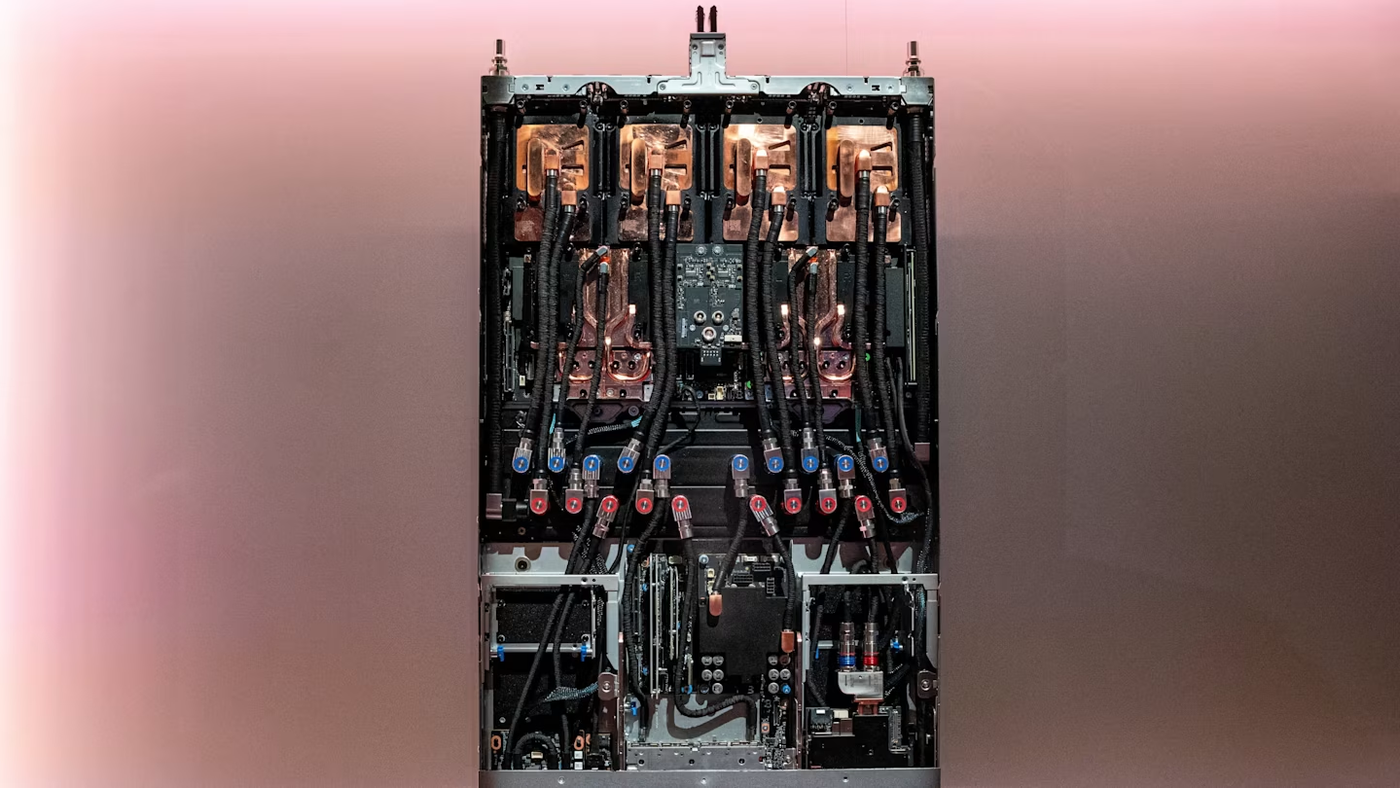
One is continental-scale, the other one is a law firm, but they share the same idea:
Own more of the AI stack instead of renting everything.
What Sovereign AI Actually Means
Strictly speaking, sovereign AI is usually a national-level term. NVIDIA defines it as a country’s ability to produce AI using its own infrastructure, data, workforce and business networks. In practice, that can mean domestic compute, local data centres, local-language models and infrastructure governed by local law.
But I think the same logic works at company level.
A bank running an open-weight model inside infrastructure it controls has more AI sovereignty than one sending every request to an external API. It controls more of the data, model behaviour, deployment and security.
So I find it more useful to think of sovereignty as a spectrum:
External API → private cloud → self-hosted open model → own infrastructure → own-trained model
The further right you go, the more control you get. You also get more servers to worry about. So same questions applied to both cases: which parts of the AI stack should a country control?
Why Everyone Wants More Control
Data
Governments do not necessarily want defence, healthcare or citizen data sitting inside infrastructure controlled by another country.
Companies have the same issue with client data, proprietary research and internal documents.
That is why firms like JPMorgan and BNP Paribas have built more controlled internal AI environments rather than sending everything through public APIs.
Vendor dependence
If your whole AI stack depends on one provider, that provider controls the price, model roadmap, availability and eventually whether the model still exists.
Models change. APIs get deprecated. Policies move. Prices move.
Annoying for a startup. Slightly more concerning when the customer is a national health service.
Economics
At enough scale, owning compute can become cheaper than continuously renting it. But that only works if the machines stay busy. An idle GPU is basically very expensive furniture. This is why I do not think the winning model is “own everything”. It is probably hybrid.
Keep sensitive and predictable workloads on infrastructure you control. Use frontier APIs when they are genuinely better. Burst into cloud capacity when demand spikes.
Companies are already moving this way. Countries are now doing the same thing with much larger buildings.
Open Weights Are the Sovereignty Layer
Open-weight models fit this trend unusually well. If you can download the weights, you can run the model somewhere you control instead of accessing it only through another company’s server.
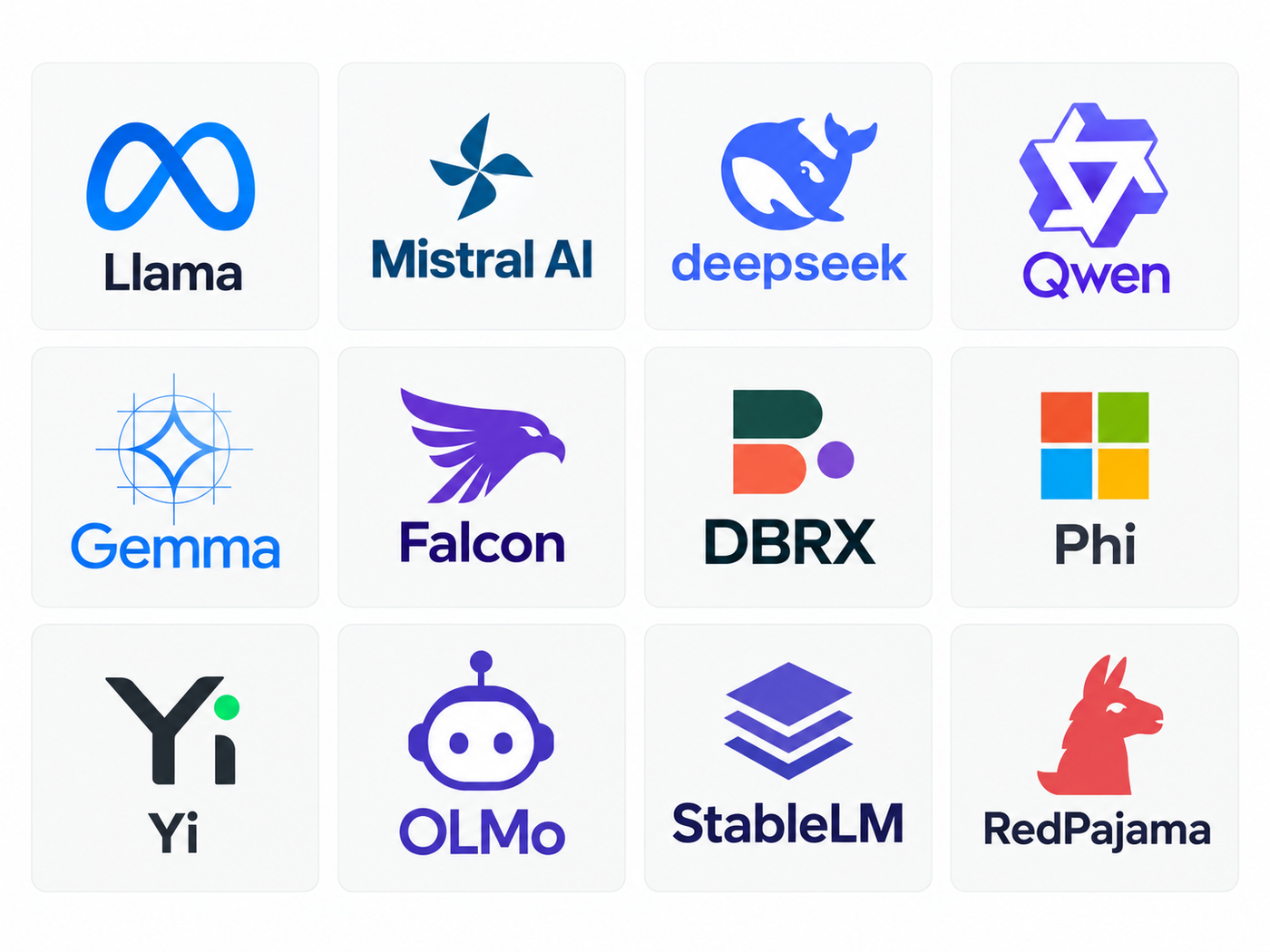
That is why national AI programmes increasingly favour models like Mistral, Sarvam, Falcon and other locally developed or open systems. The same logic is pushing companies towards private deployments of open models.
However, open weights do not magically remove dependency. You might run a French model on American GPUs in an AWS data centre. Not very sovereign but they remove one important dependency: you no longer need the original model provider to keep the model running.
The Sovereignty Paradox
Countries announce sovereign AI programmes, then buy thousands of NVIDIA GPUs. Companies announce private AI, then run it inside AWS. Europe builds local models using American chips.
So, “sovereign AI powered by NVIDIA” is a little contradictory. But sovereignty does not have to mean owning every layer.
A government may decide it needs control over sensitive data and model deployment, but has no realistic reason to manufacture its own GPUs. A law firm may want its AI models and client data inside private infrastructure, while happily buying the hardware from NVIDIA.
So whether you own the whole stack is not that important. It is which dependencies are too important enough to outsource, and which is fine.
Where Sovereign AI Can Go Wrong
Cost might be the biggest concern here.
Buying infrastructure is totally different to building capability. A country can buy 50,000 GPUs and still have no useful models, no workloads, no talent and no clue what to do with them.
The infrastructure also ages quickly. GPU rental prices fall, new generations arrive every year, and utilisation is often much lower than planned. Hardware that looked strategic when ordered can look fairly average by the time it is fully installed.
Energy is another bottleneck. Data centres require enormous amounts of power, networking and cooling. Ireland already gets a huge share of its electricity demand from data centres, while projects in Europe and elsewhere have been delayed by grid and transformer constraints.
So sovereign AI can easily turn into something like: Buy GPUs first, figure out the strategy later. A container ship full of Blackwells is not an AI strategy. It is a very expensive receipt.
Who Benefits
Whether the buyer is a country or a company, the money flows through roughly the same stack:
Chips → data centres → networking and power → cloud → models → deployment software → services
That is why the obvious beneficiaries include NVIDIA and AMD, GPU clouds like CoreWeave and Nebius, infrastructure providers like Dell and Vertiv, sovereign cloud providers, open-model companies such as Mistral, and consulting firms that help organisations actually deploy all of this.
The losers are likely to be organisations that own expensive infrastructure without any real differentiation or enough workloads to justify it.
Owning the stack only creates value if the stack is actually doing something useful.
To sum up
There is sovereign AI because control matters, although it might be costly. Infrastructure providers are still winners in this race.