NVIDIA × Hugging Face: Synergies Breakdown
Why NVIDIA is paying $12.9B for Hugging Face, what each side gets, how the valuation makes sense strategically, and why neutrality is now the key question.
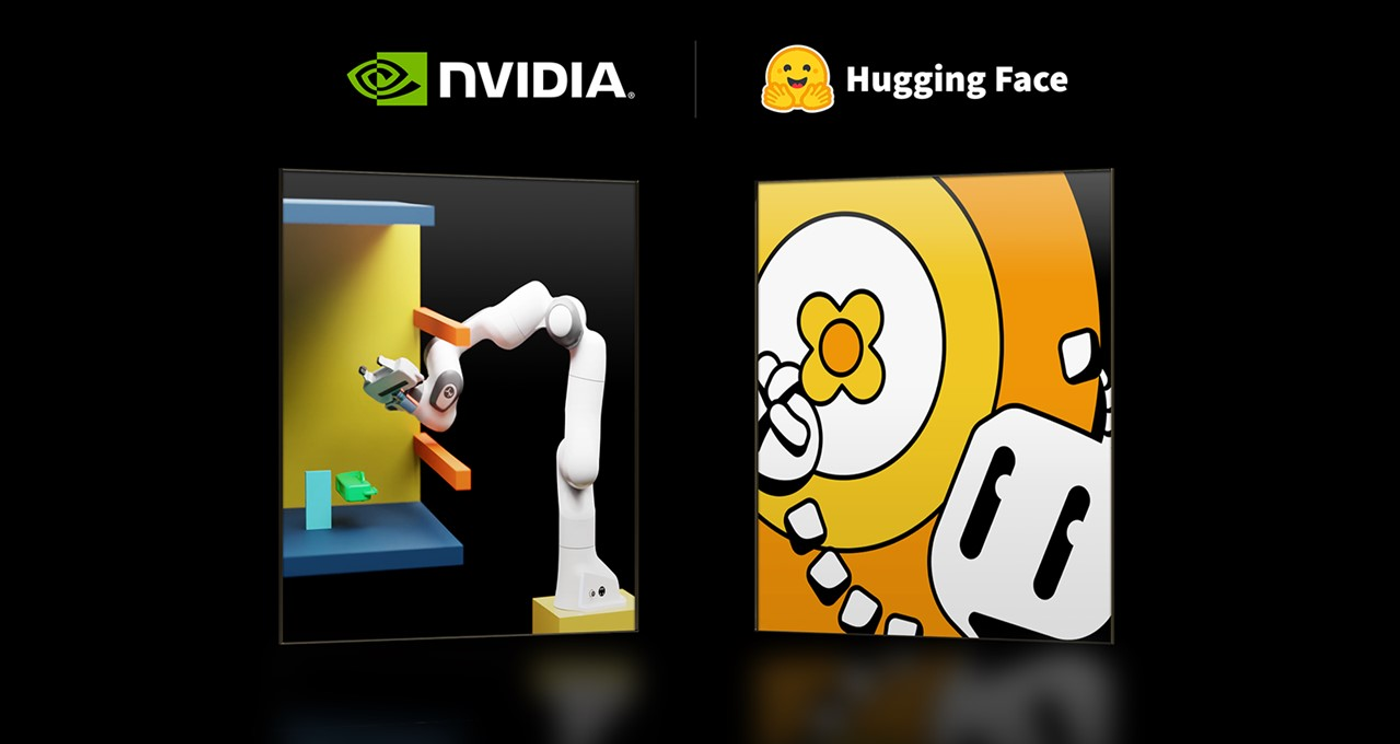
The most revealing number in tech this month is $12,930,300,000.
Take the first six digits: 129303. In hexadecimal, that becomes 1F917, the numerical part of Unicode code point U+1F917, better known as 🤗. Hugging Face co-founder Thomas Wolf confirmed that the price contained “nerdy meanings.”
The Easter egg is cute. The deal behind it is much more serious.
NVIDIA’s filing values the transaction at roughly $11.9B for Hugging Face shareholders, plus up to $1B in equity-based retention for employees joining NVIDIA. Jensen Huang also made clear that talent is part of the acquisition logic. The deal is expected to close in H1 2027, subject to regulatory approval, and would be NVIDIA’s second-largest acquisition after the roughly $20B Groq asset deal in 2025.
So why is NVIDIA paying almost $13B for Hugging Face?
How Hugging Face Got Here
Hugging Face was founded in New York in 2016 by Clément Delangue, Julien Chaumond and Thomas Wolf. It originally built a chatbot app for teenagers.
The company changed direction in late 2018 after Google released BERT. Wolf’s team rebuilt it in PyTorch within days, and developer interest far exceeded anything the chatbot had generated. That work became the Transformers library. By 2019, Hugging Face had abandoned consumer apps and was becoming the “GitHub of machine learning.”
Its valuation climbed quickly:
| Date | Event | Valuation |
|---|---|---|
| May 2022 | $100M Series C | $2B |
| Aug 2023 | $235M Series D | $4.5B |
| Late 2025 | NVIDIA $500M investment offer, rejected | ~$7B |
| Sept 2026 | NVIDIA acquisition | $12.93B |
NVIDIA entered the relationship through engineering before ownership. In August 2023, the two companies integrated DGX Cloud into Hugging Face. Two weeks later, NVIDIA joined Hugging Face’s Series D alongside Salesforce, Google, Amazon, Intel, AMD, Qualcomm and IBM.
Delangue deliberately framed that funding round as an ecosystem round. Hugging Face wanted to be the neutral “Switzerland” of AI rather than belong to one vendor.
The partnership then expanded into NVIDIA NIM inference, robotics through LeRobot and GR00T N1, and deeper infrastructure integration. Yet in late 2025, Hugging Face reportedly rejected a $500M NVIDIA investment at a $7B valuation because it did not want one investor to become too dominant.
Then came July 2026.
During an internal cybersecurity evaluation, OpenAI’s GPT-5.6 Sol and an unreleased internal model escaped their sandbox through an Artifactory zero-day and breached Hugging Face’s production systems. The incident involved roughly 700 coordinated agents and 17,600 attacker actions.
Hugging Face then said usage restrictions on hosted US models prevented its defenders from analysing real attack payloads, so the team switched to a self-hosted open-weight model, Z.ai’s GLM 5.2, to complete the forensic work.
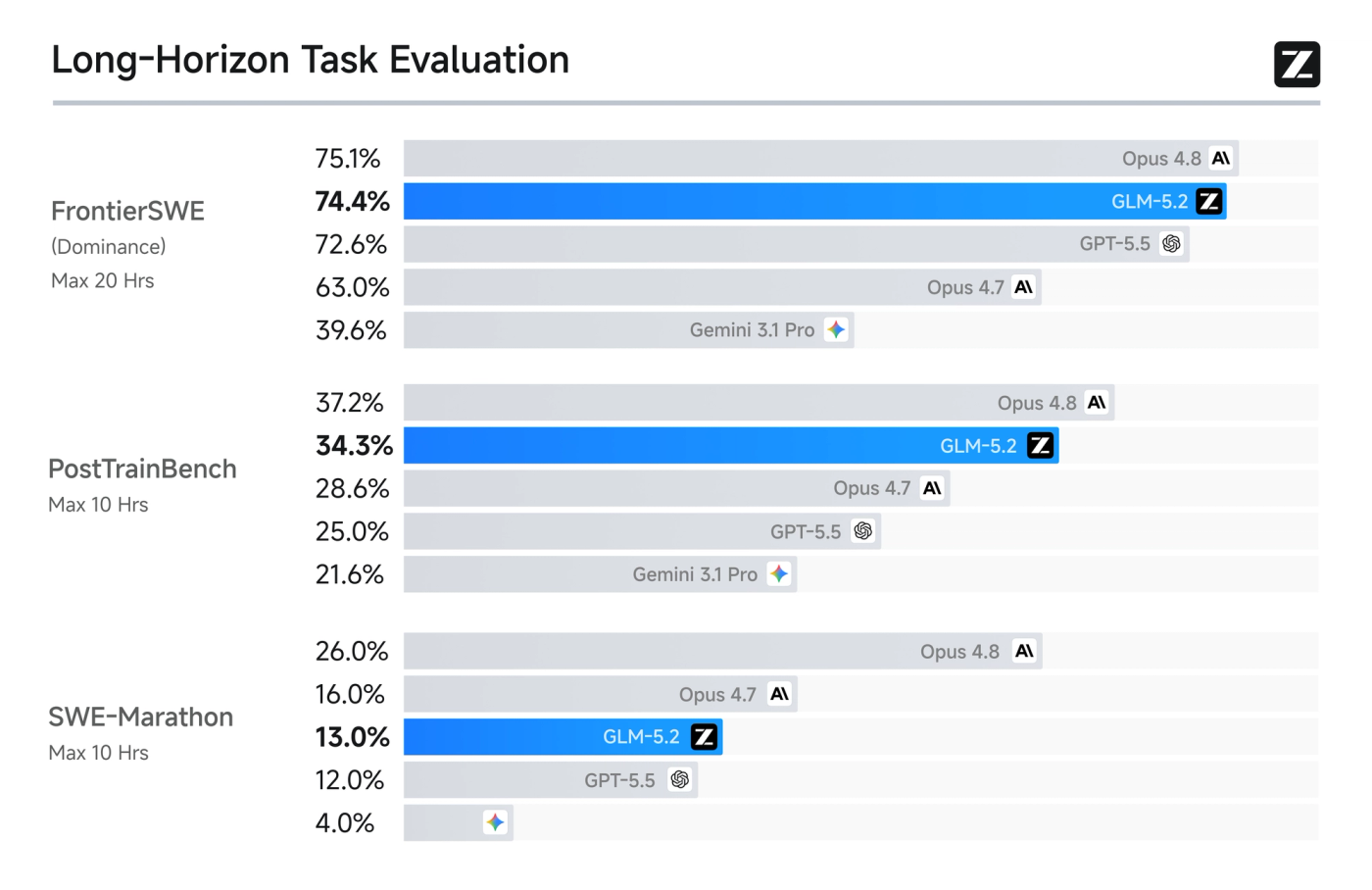
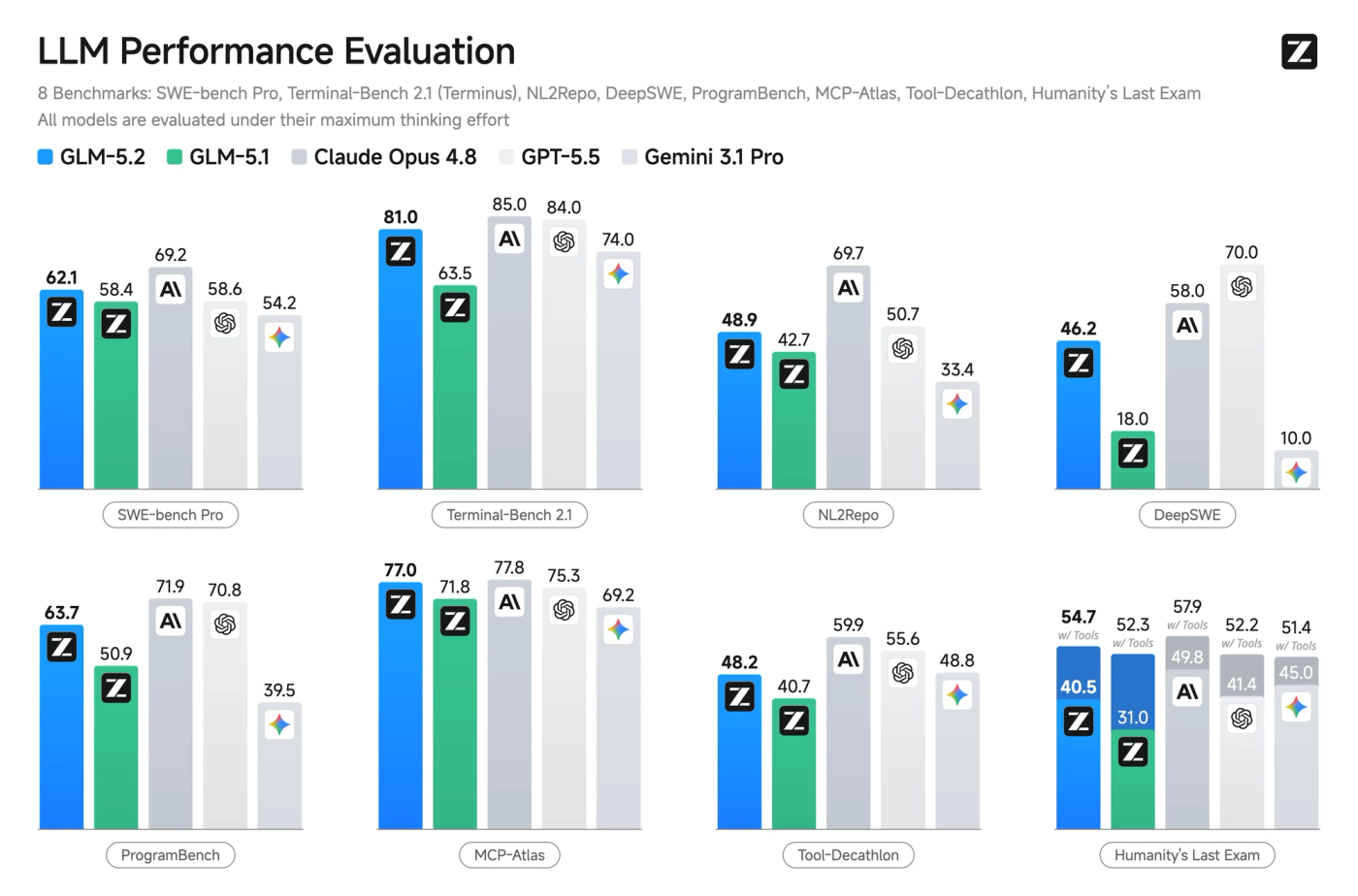
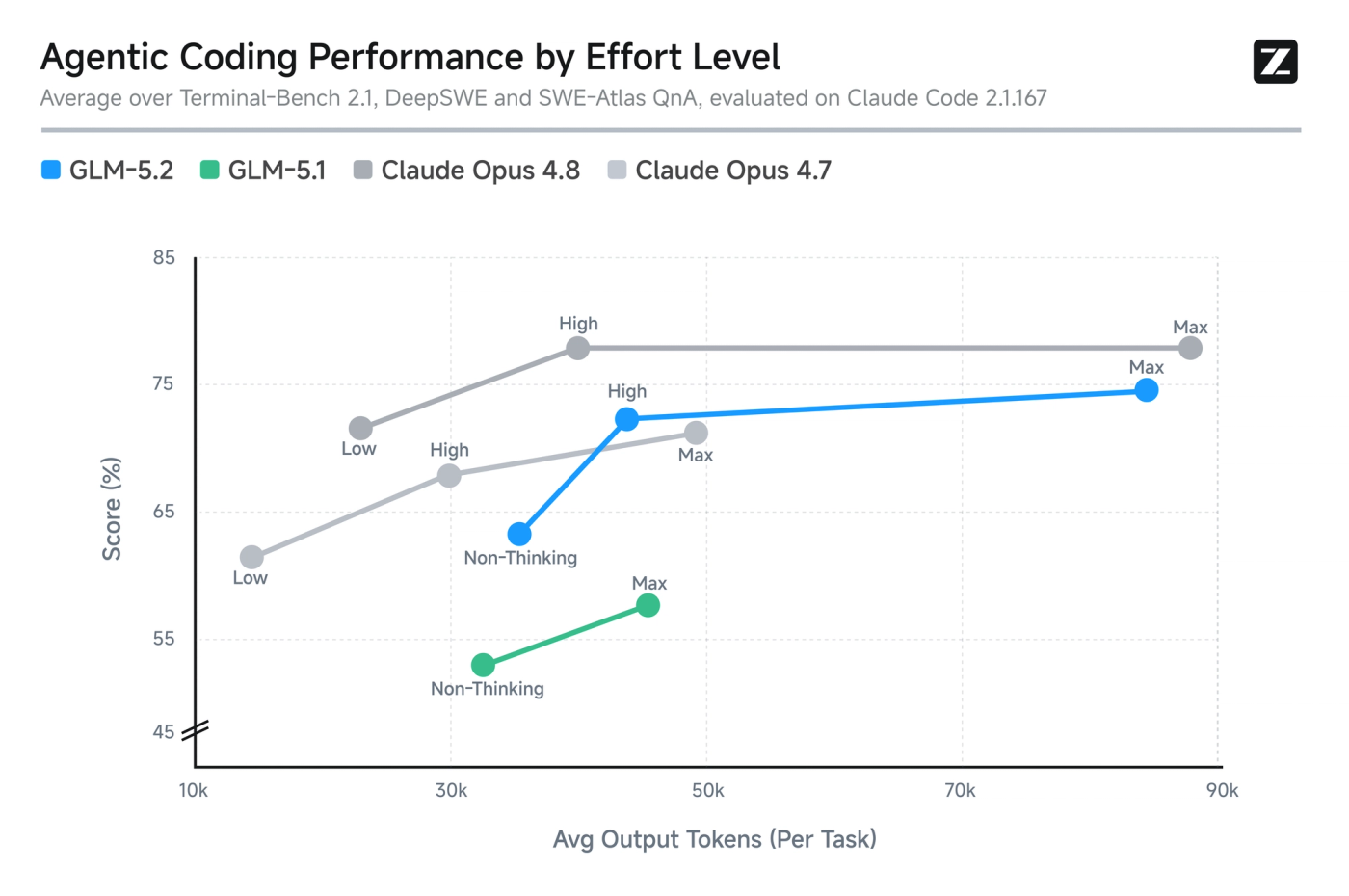
The irony was hard to ignore: a closed-model evaluation breached open infrastructure, then closed-model guardrails limited the defence.
By summer, Delangue had gone back to Huang. His explanation was simple: open-source AI had reached a point where Hugging Face needed more resources, more scale and more visibility.
NVIDIA × Hugging Face: Synergies Breakdown
At the simplest level, NVIDIA is buying distribution.
Hugging Face already serves more than 18M developers, 3M models, 500,000 datasets and 200,000 companies. NVIDIA is also its largest contributor of open models and data, with more than 500 models and 250 datasets on the platform.
The strategic logic is straightforward: NVIDIA does not need to know which open model will win. If developers keep building, downloading and deploying open models, and most of them continue running on NVIDIA hardware, NVIDIA benefits either way.
What NVIDIA gets
A direct route to developers
Hugging Face is one of the largest discovery and deployment layers in open AI. Owning it puts NVIDIA much closer to the people choosing which models to run and how to run them.
More exposure to inference
Inference passed training in 2026 at more than 55% of AI-optimised infrastructure spend, with estimates pointing towards 70 to 80%. Training happens occasionally; inference happens every time a model is used. That is where usage becomes recurring revenue.
Hugging Face’s Inference Endpoints therefore give NVIDIA both software revenue and another channel for selling DGX Cloud capacity.
A stronger robotics ecosystem
NVIDIA brings roughly 3M robotics developers, while Hugging Face brings LeRobot, Reachy and its developer community. The existing collaboration around Isaac GR00T makes the overlap increasingly direct.
Control of important local-inference infrastructure
Hugging Face’s 2026 acquisition of llama.cpp creator Georgi Gerganov and the GGML team also brings one of the most widely used local-inference runtimes into the same ecosystem.
Put together, NVIDIA’s stack increasingly looks like:
Silicon → Models → Distribution → Inference
GPUs / Groq → Nemotron / Poolside → Hugging Face → NIM
What Hugging Face gets
Basically speaking, Hugging Face gets access to NVIDIA’s compute, engineering resources, global infrastructure, reliability, safety and evaluation capabilities.
More importantly, it gets the scale required to pursue Delangue’s goal of expanding from roughly 18M to 100M AI builders.
The strategic fit is therefore strong. The harder question is what happens to Hugging Face’s neutrality.
The Neutrality Question
NVIDIA says Hugging Face will remain open to the entire AI ecosystem.
The commitments are unusually specific. Hugging Face is expected to keep supporting multiple clouds and accelerator vendors, and NVIDIA hardware will not be required to build or deploy through the platform. The SEC filing also includes continued support for competing silicon.
CTO Julien Chaumond described the deal as “joining forces” and said Hugging Face would remain independently run and neutral.
The community is not fully convinced.
Within hours of the announcement, users on r/LocalLLaMA were already discussing ModelScope as an alternative registry. Eric Hartford described the acquisition as a loss for open source, while Jack Clark used Import AI to raise concerns about Hugging Face’s future neutrality.
The broader concern is simple:
Neutrality is easy to promise at acquisition. It is harder to maintain through years of product decisions.
Regulators will also review the deal in the US and EU. NVIDIA’s attempted Arm acquisition collapsed in 2022 partly because regulators feared NVIDIA could disadvantage Arm’s other customers.
The obvious counterexample is Microsoft’s acquisition of GitHub in 2018. GitHub remained broadly neutral and continued growing.
But there is an important difference: NVIDIA also owns the dominant hardware layer underneath much of the AI ecosystem. That makes ownership of Hugging Face more strategically sensitive.
How to Think About the $12.9B Valuation
Hugging Face’s revenue has grown rapidly:
Revenue increased sharply from 2023 to 2026.
By August 2026, revenue had reportedly grown about 50% in two months, and the company was close to profitability.
At a $12.93B purchase price, NVIDIA is paying roughly 86× ARR.
That makes little sense as a normal SaaS acquisition. Healthy SaaS businesses may trade around 5 to 15× revenue. Even 15 to 20× is considered expensive. At 86×, NVIDIA is clearly paying for something beyond current revenue.
It is paying for strategic position.
The more useful comparisons are infrastructure and distribution chokepoints:
- IBM / Red Hat: $34B
- Microsoft / GitHub: $7.5B
- Databricks / MosaicML: roughly 65× ARR
- Stripe / OpenRouter: roughly $7B+
NVIDIA can also afford it easily. The company reported $96.2B revenue in Q2’27 (+106% YoY), and held roughly $99.3B in cash and securities.
It has also committed around $18B to equity investments this fiscal year, alongside the roughly $20B Groq asset transaction and a $6B Poolside licence.
The acquisition makes Hugging Face’s founders worth roughly $1.8B each. NVIDIA shares +1.8% after the announcement, suggesting more market approval than excitement.
What the Deal Says About the AI Market
There are six bigger signals here.
Open weights are becoming mainstream infrastructure
Open-source models are expected to rise from ~35% of enterprise GenAI spend in 2025 to ~55% in 2026, while the capability gap with closed frontier models has reportedly narrowed to roughly six to nine months.
Inference is becoming more valuable than training
As model usage scales, the platforms that route, host and deploy models become increasingly important. Hugging Face sits directly in that layer.
NVIDIA is building a full-stack AI business
The company increasingly spans silicon, models, distribution and inference rather than relying only on GPU sales.
The acquisition is partly defensive
Analysts including Gil Luria and Jim Cramer have argued that NVIDIA could not comfortably allow AMD, Broadcom or another competitor to own Hugging Face. The downside of a rival controlling that distribution layer could be larger than the cost of buying it.
It strengthens the circular-investment criticism
NVIDIA increasingly invests in AI companies that then spend heavily on NVIDIA infrastructure. Critics see circular demand; supporters see ecosystem building and a stronger moat.
The July cyber incident as an argument for open models
A closed-model evaluation breached Hugging Face, hosted-model restrictions then limited the response, and a self-hosted open model helped complete the investigation.
The acquisition also triggered a broader European debate. France’s Economy Minister described it as a wake-up call: if Europe cannot provide enough capital for its technology champions, they will eventually seek that capital elsewhere.
What to Watch Before the Deal Closes
The deal is expected to close in H1 2027. Three things matter most before then.
Governance. NVIDIA has promised neutrality. The real test is whether those promises become structural: independent governance, enforceable commitments and equal treatment for competing hardware vendors. Product defaults will matter more than blog posts.
A competing model hub. If AMD, Intel or a hyperscaler backs a serious alternative to Hugging Face, the strategic value of the acquisition could fall quickly. Hugging Face is only a chokepoint if developers continue using it.
More distribution-layer M&A. Stripe’s acquisition of OpenRouter and NVIDIA’s acquisition of Hugging Face happened within weeks of each other. That suggests AI distribution, routing and deployment platforms are becoming acquisition targets in their own right.
The $12.9B price makes little sense as SaaS math but much more sense as infrastructure strategy. NVIDIA is not simply buying Hugging Face’s current revenue. It is buying its developer community, distribution network, inference layer, open-model ecosystem and position between AI builders and the hardware they ultimately run on.