
Xenter raises $58.25M to turn medical devices into connected data systems
Xenter’s Series B will support manufacturing, clinical studies and commercialisation of wireless devices that feed procedure data into its XenFi platform.
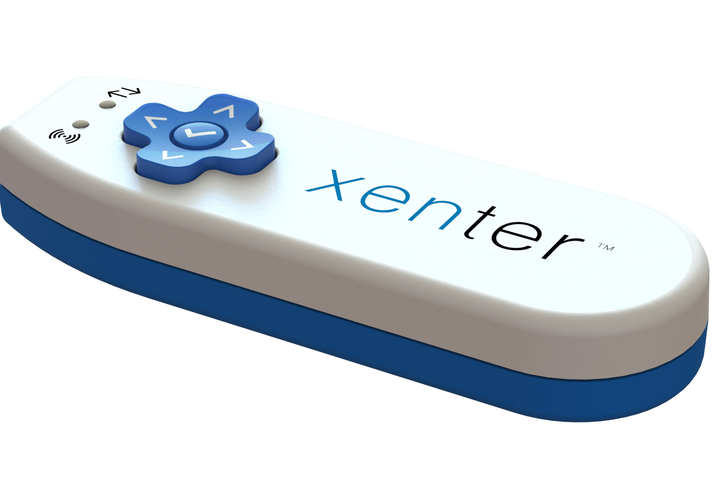
Xenter has raised $58.25M to commercialise wireless medical devices and build a data platform around information that is often lost inside individual clinical procedures.
What happened
The Utah-based company closed a Series B with participation from existing shareholders, family offices and healthcare investors. Xenter did not name a lead investor.
The financing will support manufacturing, regulatory work, clinical programmes and the commercial rollout of XenFi, its wireless healthcare platform. Xenter is developing connected devices that collect physiological and procedural information and transmit it to cloud-based systems for analysis.
One planned clinical programme involves Guru, a dual-sensor guidewire intended for use during transcatheter aortic-valve-replacement procedures. The company’s broader ambition is to connect diagnostic and interventional tools so that data from procedures can support clinical decisions and future AI applications.
Why it matters
Hospitals generate enormous amounts of information, but much of it remains trapped inside individual devices, stored in incompatible formats or discarded after a procedure. Embedding connectivity into the tools clinicians already use could create a more continuous and structured data layer.
That could improve documentation, help compare procedures and eventually support models trained on richer clinical information. However, the value depends on whether hospitals can integrate the platform without adding complexity to already demanding workflows.
The bigger picture
Xenter is effectively trying to build two businesses at once: regulated medical devices and the software infrastructure that connects their data. That creates a larger opportunity, but it also multiplies execution risk.
Each device must demonstrate safety and clinical utility, pass regulatory review and be manufactured reliably. The platform must then prove that the resulting data improves decisions rather than simply creating another information stream for clinicians to manage.