
Wisconsin commits $55M to keep Realta Fusion at home
Realta Fusion’s new Madison facility shows how regional incentives are becoming part of the competition to build fusion supply chains and talent clusters.
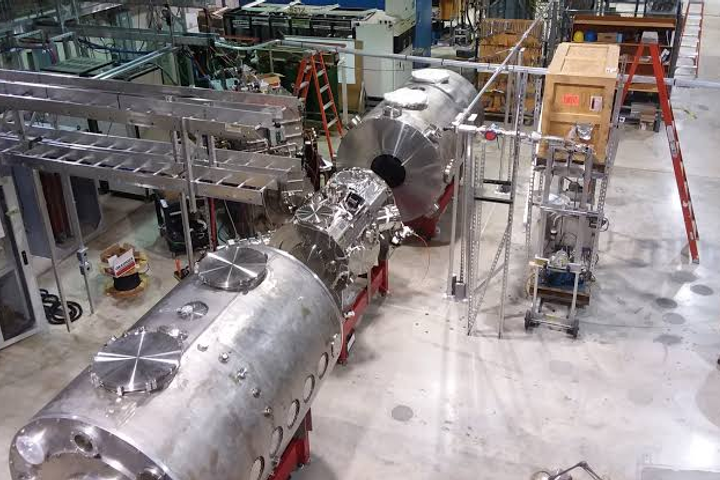
Fusion companies need specialised talent, substantial electricity and expensive physical infrastructure. Those requirements make location decisions strategically important—and give regional governments an opportunity to compete for emerging fusion clusters.
What happened
Realta Fusion selected the former Oscar Mayer factory in Madison, Wisconsin, for a new research facility expected to create its first plasma in 2029.
The company is set to receive approximately $55 million in state and municipal incentives. The package includes tax exemptions, enterprise-zone credits and local financing support.
Realta was spun out of research at the University of Wisconsin–Madison. Keeping the company close to the university preserves access to researchers, engineers and a local scientific network while giving the business room to expand its physical programme.
Why it matters
Fusion startups are often discussed primarily in terms of reactor design or fundraising. But siting is another critical part of the business. Companies need access to power, industrial buildings, skilled labour, suppliers and public support over development timelines that can stretch for years.
Wisconsin is using incentives to prevent a locally developed company from relocating to a larger coastal ecosystem or a national-laboratory hub. The public support reduces Realta’s capital burden, but it also places pressure on the company to deliver jobs and technical progress over time.
The bigger picture
Regional competition for climate and deeptech manufacturing is intensifying. Governments increasingly see advanced energy companies as anchors for broader supply chains rather than isolated research projects.
Realta’s facility could help Madison develop a fusion ecosystem around university research, engineering talent and specialist suppliers. The important caveat is timing: first plasma is still targeted for 2029, and fusion development remains technically uncertain. The incentives are therefore a long-term industrial-policy bet, not evidence that commercial power is near.