
Wild Bio Buys the Missing Link in Its Crop Platform
Oxford spinout Wild Bio has acquired wheat breeder F1 Seed, moving from crop-trait discovery toward a more integrated route to commercial seed varieties.
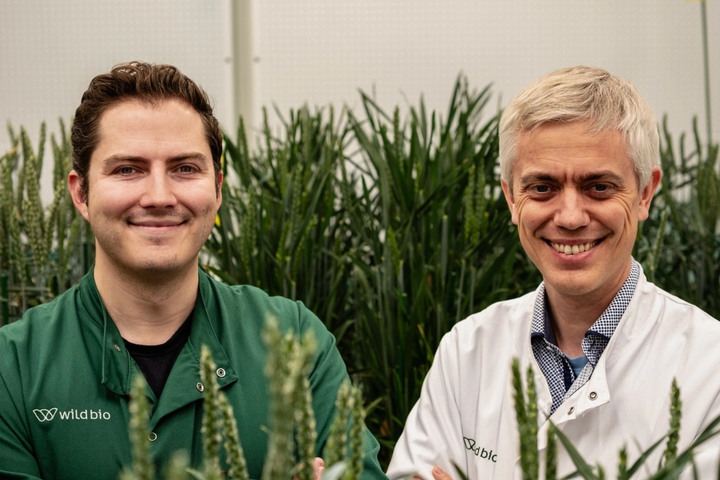
Discovering a useful crop trait is only the beginning. Wild Bio has bought the breeding operation needed to turn its science into seeds farmers can actually use.
What happened
Oxford University spinout Wild Bio acquired independent wheat breeder F1 Seed. The financial terms were not disclosed.
Wild Bio combines evolutionary biology, machine learning and gene editing to identify crop traits that may improve yield or resilience. F1 Seed adds commercial breeding experience and an existing pipeline of wheat varieties.
Those capabilities sit at different points in the agricultural development process. A research platform can find a promising genetic target, but that trait still needs to be introduced into viable crop varieties, tested across seasons and locations, approved where necessary, multiplied and sold. By acquiring F1 Seed, Wild Bio is taking control of more of that route.
Why it matters
Agricultural technology often faces a long gap between laboratory discovery and field adoption. Startups may depend on established seed companies to commercialise their work, which can slow development and leave them with limited control over which traits reach the market.
Owning a breeding business could help Wild Bio shorten feedback loops. Researchers can see how a trait performs inside a commercial breeding programme, while breeders gain earlier access to the discovery platform.
The bigger picture
This is a form of vertical integration. Rather than remain a technology licensor, Wild Bio is moving toward becoming a full seed company. That could allow it to capture more value, but it also introduces new costs and risks. Crop development requires multi-year trials, regulatory work, seed production and trusted distribution relationships with farmers.
Machine learning can help identify patterns, but it cannot remove weather variability or compress every growing season. Wild Bio will still need field evidence showing that its new varieties perform consistently outside controlled research environments.
The acquisition is therefore strategically interesting even without a disclosed price. It reflects a broader lesson in deep tech and agritech: the bottleneck is often not the original scientific discovery, but the infrastructure required to turn it into a dependable commercial product.