
Wayve Turns Autonomous AI Into Licensing Business
Wayve is moving from research toward commercialisation with a licensing model for autonomous-driving AI.
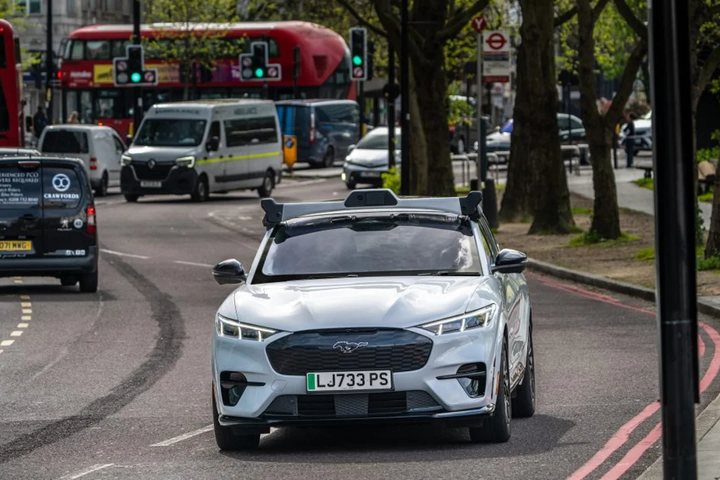
Wayve is moving from autonomous-driving research into commercial deployment with a business model built around licensing rather than owning fleets.
What happened
The company is positioning its autonomous-driving AI for use by automakers and fleet operators.
Wayve has technology relationships with companies including Uber, Nissan and Stellantis and has begun supervised public robotaxi operations in London.
Why it matters
Autonomous-driving companies have taken different approaches to commercialisation.
Some operate their own fleets, while others sell vehicles or build integrated transport services. Licensing could be more capital-efficient because Wayve does not need to manufacture cars or finance every fleet itself.
The bigger picture
If end-to-end driving models can generalise across different vehicles and cities, autonomous-driving software could begin to look more like an operating system for mobility.
Wayve's strategy is a test of that thesis. The challenge will be proving consistent safety and performance across partners without controlling the entire hardware stack.