
Waymo’s robotaxi recall shows autonomy still has an edge-case problem
Waymo recalled nearly 4,000 robotaxis after construction-zone incidents, showing how autonomy still faces difficult edge cases as deployment scales.
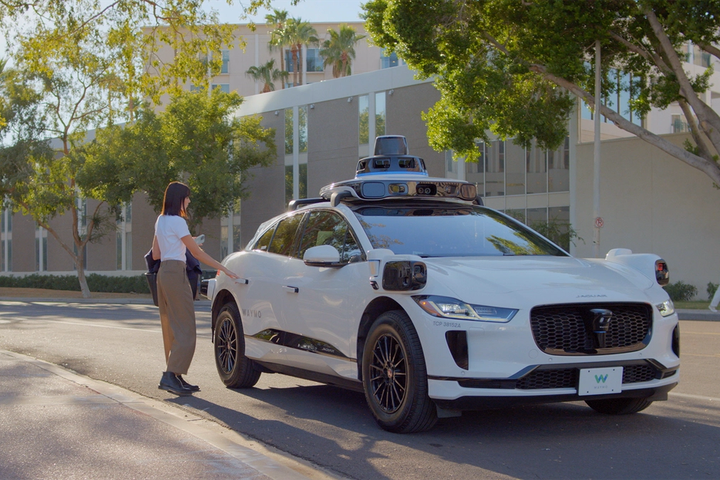
Robotaxi progress is real, but so are the awkward edge cases. Waymo’s latest recall is a reminder that autonomy gets harder when vehicles meet the messy details of real roads.
What happened
Waymo recalled nearly 4,000 robotaxis to restrict highway driving while it fixes issues around construction zones.
The company identified multiple incidents where vehicles entered highway sections that were closed for construction. Waymo had already pulled its vehicles from highways while developing a software fix.
Why it matters
This is not simply a “robotaxis are failing” story. It is more specific than that: real-world deployment exposes situations that are hard to fully test in controlled demos.
Construction zones are especially difficult because road layouts, signs, cones, lane closures and human-driver behaviour can change quickly. For autonomous vehicles, these are exactly the kinds of edge cases that determine whether the system can scale safely.
The bigger picture
Autonomy is moving from promise to operations. That means the market will increasingly judge companies not only on technology performance, but also on safety response, fleet management and how quickly they can update systems after real-world issues.
Waymo is still one of the leaders in robotaxis, but this recall shows that scaling autonomy is a long operational grind, not a clean software launch.