
Waymo pauses service during San Francisco outage
Waymo’s temporary pause highlights how robotaxi fleets depend on communications, city systems and operational coordination beyond the vehicles themselves.
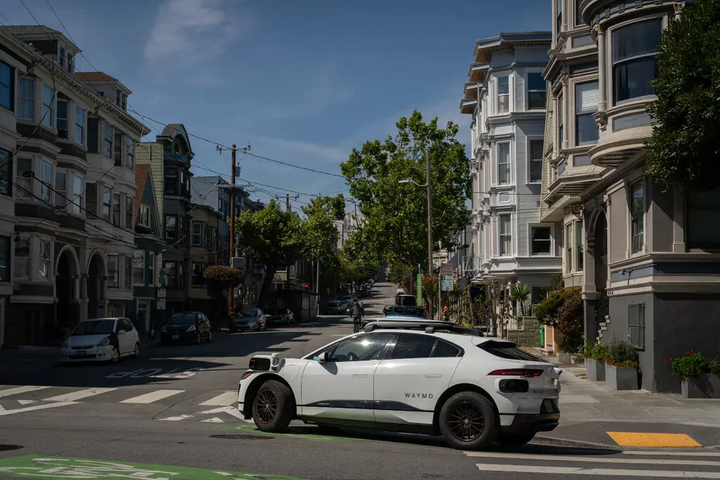
Waymo temporarily paused its San Francisco robotaxi service during a local power outage, highlighting how autonomous fleets depend on more than the intelligence inside each vehicle.
What happened
The company suspended service for roughly one hour while an outage affected around 7,000 customers across the city. Operations resumed after Waymo coordinated with local officials.
There was no indication of a major vehicle malfunction. The pause appears to have been a precautionary fleet-level decision during disrupted city conditions.
Why it matters
Robotaxis rely on a wider operational system that includes communications networks, mapping updates, remote support, traffic signals and coordination with local authorities.
A vehicle may still be physically capable of driving while the surrounding infrastructure becomes less reliable. That means fleet operators need contingency plans for outages, major events and other citywide disruptions—not only safe driving software.
The bigger picture
Autonomous-vehicle regulation is gradually shifting from individual-car safety toward fleet resilience. Cities want to know how hundreds or thousands of driverless vehicles will behave when power, communications or traffic systems fail.
A short precautionary pause is not a major setback. But it is a reminder that large-scale autonomy will depend on operational discipline and public-infrastructure integration as much as perception models and driving performance.