
Wabi Pivots to an AI Messenger
Wabi shifts from prompt-built apps to a messaging interface centred on a personal agent that generates tools on demand.
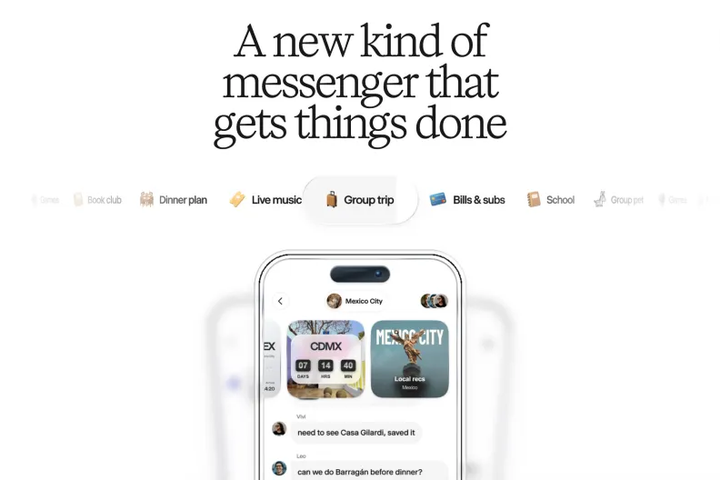
Wabi is moving away from asking users to build AI apps and toward a simpler proposition: one personal agent that can generate the interface it needs on demand.
What happened
The company launched Wabi 2.0, shifting its product from a vibe-coding platform toward a messaging experience centred on a personal AI agent.
Users can describe what they want inside a conversation, while the agent can generate interfaces and mini-apps dynamically to complete tasks.
Wabi was founded by Eugenia Kuyda, the creator of Replika.
Why it matters
Consumer AI products face a major usability challenge. Most users do not want to design software before they can benefit from it.
A conversational interface lowers that barrier by allowing the agent to decide when a specialised interface or lightweight app is needed.
That changes the role of vibe coding from the product itself into an invisible capability behind the assistant.
The bigger picture
Consumer AI may move away from a world of many small standalone apps toward agents that create software temporarily for specific tasks.
If that pattern works, software becomes increasingly dynamic: interfaces appear when needed rather than existing as permanent applications users must install and learn.