
Volvo Expands Nvidia Partnership for Automated Driving
Volvo is expanding its Nvidia partnership and plans to use more of Nvidia's hardware, AI and safety stack in future automated-driving systems.
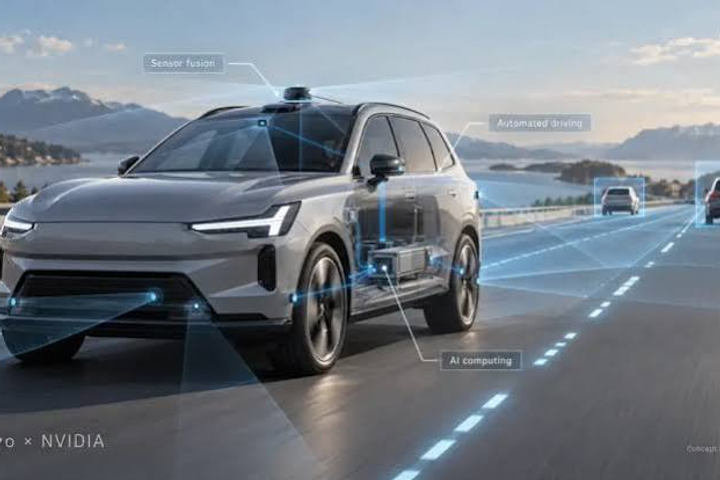
Volvo is expanding its Nvidia partnership and plans to use more of Nvidia's hardware, AI and safety stack in future automated-driving systems.
What happened
The expanded partnership includes Nvidia's Hyperion sensor-and-compute architecture, Alpamayo AI driving stack and Halos safety-evaluation software. Volvo plans to combine these systems with its existing safety software and multimodal sensors. The companies have not disclosed the financial value of the agreement or named the first production model to use the complete stack. The first deployment is expected before the end of the decade, making this a strategic platform commitment rather than an immediate commercial launch.
Why it matters
Automakers face a choice between building autonomous-driving systems entirely in-house or standardising on shared computing and software platforms. Using more of Nvidia's stack can reduce duplicated engineering work and give Volvo access to common simulation, model and safety tooling.
The bigger picture
For Nvidia, the deal shows how its strategy is extending from chips into the full physical-AI software stack. If carmakers increasingly adopt common AI platforms, suppliers with integrated hardware, simulation and safety systems could become central infrastructure providers to the automotive industry.