
Volkswagen Unveils Ultra-Efficient EV Prototype
Volkswagen demonstrates a production-near electric prototype focused on efficiency rather than simply larger batteries.
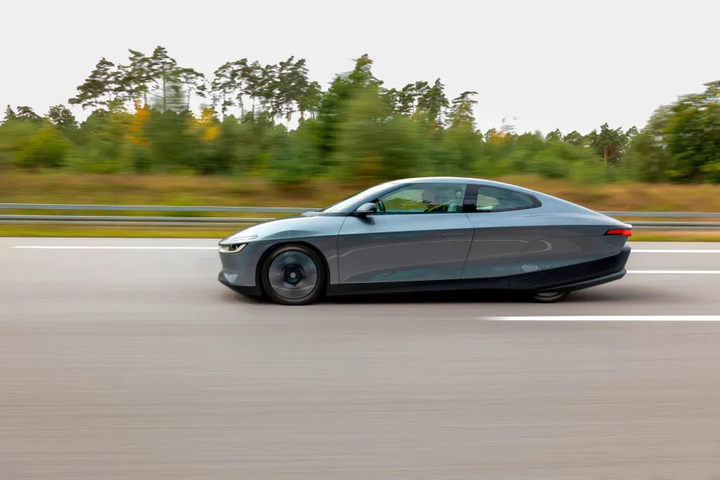
Volkswagen has unveiled its Mission Efficiency prototype, demonstrating how aerodynamic and powertrain optimisation can extend electric-vehicle range without relying on an oversized battery.
What happened
The vehicle uses technology largely derived from Volkswagen's production-oriented MEB+ platform. VW says it achieved a 0.158 drag coefficient and averaged 6.89 kWh per 100 km excluding charging losses during a documented 1,278 km journey.
The prototype used a 54.9 kWh battery and required one charging stop during the test.
Why it matters
EV competition has often focused on installing larger batteries. That adds weight, cost and demand for battery materials. Improving aerodynamics, drivetrain efficiency and thermal management can deliver more range from the same amount of stored energy.
The bigger picture
As EV adoption matures, efficiency may become a more important competitive metric than maximum battery capacity. Automakers that can reduce energy use can lower vehicle costs, shrink battery packs and ease charging demand. Volkswagen's prototype highlights a shift toward treating efficiency as a system-level engineering problem.