
Vivodyne Builds Human Data Centre
Vivodyne’s robotic tissue labs show AI drug discovery may need better biological data, not just bigger models.
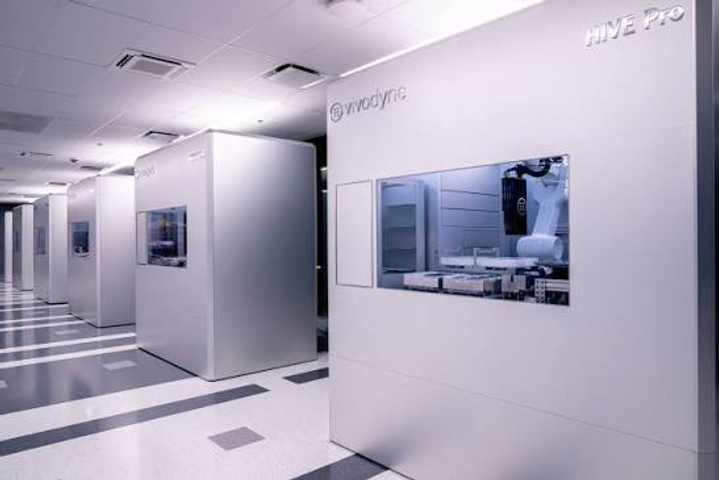
Vivodyne’s “human data centre” framing sounds dramatic, but the underlying idea is practical: AI drug discovery needs better biological data before it can reliably predict what happens in humans.
What happened
Vivodyne opened what it calls the world’s largest human data centre outside San Francisco.
Its HIVE robotic labs grow human tissue, dose and monitor it autonomously, and generate biological data for AI drug-discovery models. The company has raised just under $80M across two rounds led by Khosla Ventures.
The important point is that Vivodyne is not only building models. It is building the experimental data engine that feeds those models. Human tissue systems can help bridge the gap between simplified lab tests and the complexity of actual patients.
Why it matters
AI drug discovery has sometimes overpromised by implying that better algorithms alone can solve biology. But biology is noisy, complex and full of translation risk. A model is only as useful as the data used to train and validate it.
Vivodyne’s approach attacks that input problem. If automated labs can generate richer, more human-relevant data at scale, AI systems may become better at identifying which drug candidates are worth advancing.
The bigger picture
The next wave of AI biology may be less about “AI finds a cure” and more about building industrialised research infrastructure. Robotic labs, tissue models, automated dosing and structured datasets could become the picks-and-shovels layer for drug discovery. Vivodyne’s facility points to that direction: the real breakthrough may come from combining wet-lab automation with AI, rather than treating software and biology as separate worlds.