
Vertiv doubles AI cooling capacity in Europe
Vertiv is doubling European chiller-production capacity and adding large-system testing as AI data centres push rack density and cooling requirements higher.
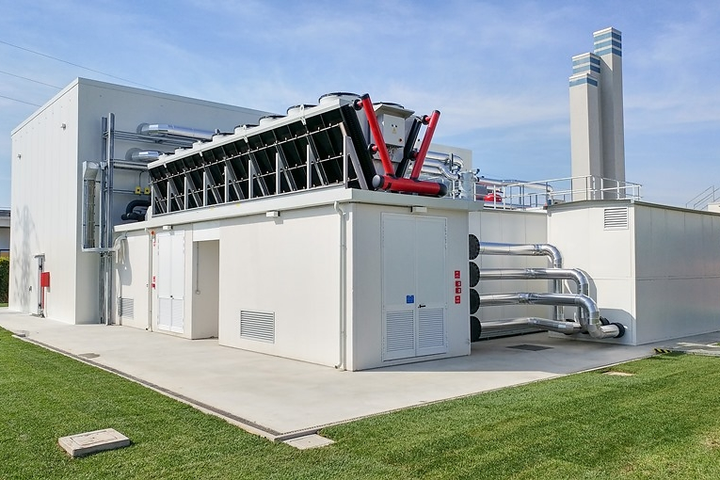
The AI infrastructure boom is showing up in factories that build cooling equipment, not only in semiconductor plants and data-centre construction sites.
What happened
Vertiv is expanding its Tognana campus near Padua, Italy, with plans to double regional chiller-production capacity by the end of 2026.
The company is also building a testing laboratory for large cooling systems designed to operate alongside liquid-cooled, high-density computing infrastructure.
Chillers remove heat from the facility-level cooling loop and are a critical part of the wider thermal system surrounding densely packed AI servers.
Why it matters
More powerful chips are concentrating significantly more heat inside individual racks. That makes traditional air cooling less effective and increases demand for liquid cooling, larger heat-rejection systems and specialised engineering.
Cooling can become a deployment bottleneck if equipment, testing capacity or trained installation teams do not keep pace with server demand.
Vertiv’s expansion is therefore a physical indicator of expected AI-infrastructure growth rather than a speculative software forecast.
The bigger picture
The economics of AI compute extend well beyond GPUs.
Power distribution, cooling, water use, backup systems and building design all affect how much useful computing capacity a site can operate.
Suppliers such as Vertiv may capture durable value because customers cannot deploy high-density systems without the supporting infrastructure. The challenge is matching rapid shifts in chip architecture while avoiding excess manufacturing capacity if data-centre projects are delayed.