
Venti takes autonomous trucks into full-production U.S. rail yards
Venti’s long-term commercial agreement moves autonomous container trucks from pilot projects into scaled intermodal operations.
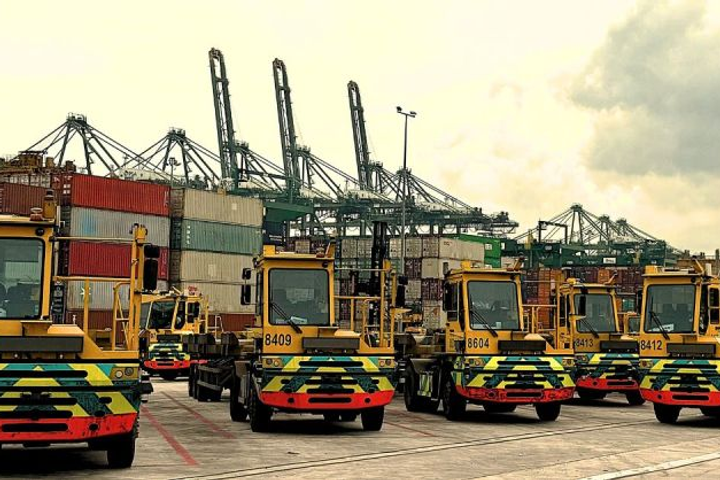
Autonomous vehicles become much more interesting when they move from demonstrations into repetitive industrial workflows with clear economics.
What happened
Venti Technologies signed a long-term commercial agreement with a major North American intermodal railroad to deploy AI-powered autonomous container trucks across U.S. rail terminals.
The initial rollout targets two large intermodal facilities.
Venti says it expects more than 100 autonomous trucks across eight sites by 2027, potentially scaling beyond 600 vehicles by the end of the decade.
Terms were not disclosed.
Why it matters
This is materially stronger than another autonomous-vehicle pilot.
Rail yards are structured environments with repetitive container movements, making them a practical setting for driverless operations.
If deployments perform reliably, automation could improve throughput and reduce labour constraints in a high-volume logistics workflow.
The bigger picture
Physical AI may commercialise first in bounded industrial environments rather than open public roads.
Ports, warehouses, factories and rail terminals offer clearer operating rules and measurable productivity gains. Venti’s agreement is a strong example of that path.