
Vaulted Deep Secures $35M Carbon-Removal Debt
Vaulted Deep has secured a $35 million debt facility to expand infrastructure for permanent underground storage of processed organic waste.
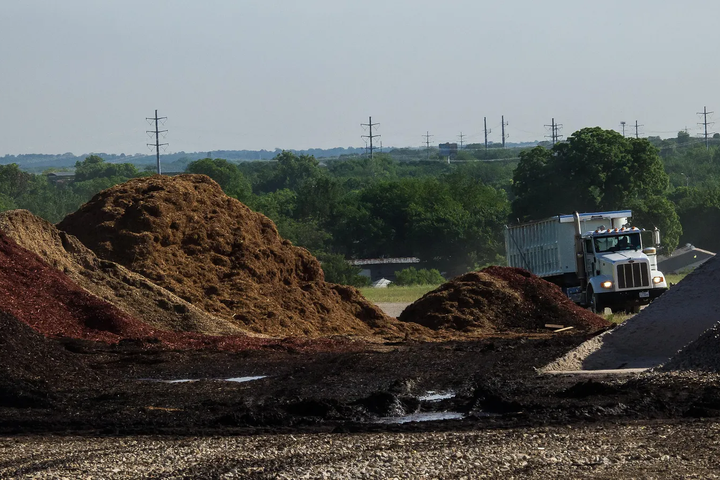
Vaulted Deep has secured debt financing for carbon-removal infrastructure, a sign that at least parts of the sector are beginning to move beyond venture equity and advance-purchase contracts.
What happened
The company secured a $35 million debt facility to expand its US infrastructure for processing organic waste and injecting it underground for long-term storage.
The financing is supported in part by contracted waste-service revenue and carbon-removal purchase agreements.
Vaulted Deep's model takes organic material that would otherwise decompose or create disposal problems and stores it in deep geological formations.
Why it matters
Carbon-removal companies have historically struggled to access conventional debt because projects are technically novel and revenues are uncertain.
Debt becomes more viable when a company can demonstrate contracted cash flows from both waste handling and carbon-credit customers.
That matters because infrastructure-heavy climate businesses cannot scale indefinitely on venture equity alone. Cheaper forms of capital are essential if projects are going to move from pilots to large physical deployment.
The bigger picture
The maturation of climate tech can often be seen in its financing structure. When lenders become willing to fund projects against contracted revenue, a technology begins to look more like infrastructure and less like an experiment. Vaulted Deep's facility is therefore notable not only for the money raised but for the kind of capital entering the business.