
US weighs sanctions against Chinese AI models
Potential sanctions would push US technology controls beyond chips and compute into the models themselves.
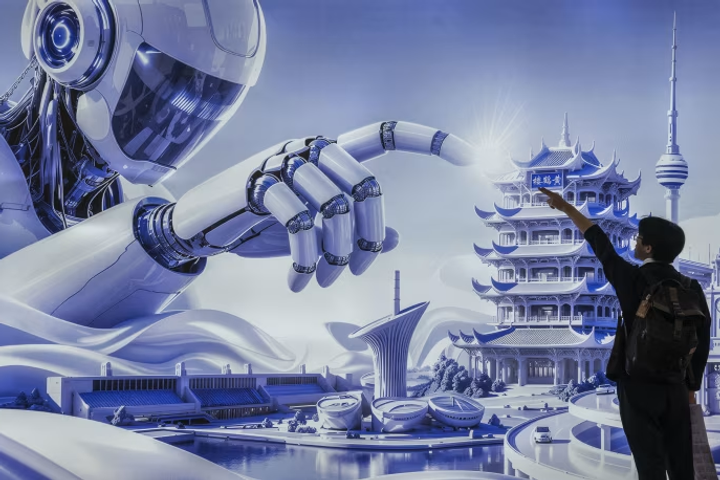
The US may be preparing to extend technology controls from the hardware behind AI into the models competing in the global market.
What happened
US Treasury Secretary Scott Bessent said the government would examine Chinese open-source models for evidence of intellectual-property theft and could sanction companies where theft was established.
The comments arrive as Chinese models such as Moonshot’s Kimi K3 gain wider attention and as policymakers debate whether open model weights can create economic and security risks comparable with advanced chips.
Why it matters
US controls have primarily focused on semiconductors, manufacturing equipment and access to compute. Sanctioning an AI-model developer would represent a significant escalation and could affect cloud providers, enterprise users and open-source communities that distribute or build on those models.
It would also force policymakers to distinguish among unlawful copying, model distillation, benchmark imitation and legitimate technical competition.
The bigger picture
AI policy is moving up the technology stack. Governments are no longer concerned only with who can manufacture chips, but also who controls models, data and distribution. As open models cross borders easily, enforcement may become more complicated than traditional export controls—and could accelerate the fragmentation of the global AI ecosystem.