
US Restricts Foreign Robots and Power Inverters
The FCC has added foreign-produced advanced robots and power inverters to its Covered List, linking robotics and energy hardware to US national-security policy.
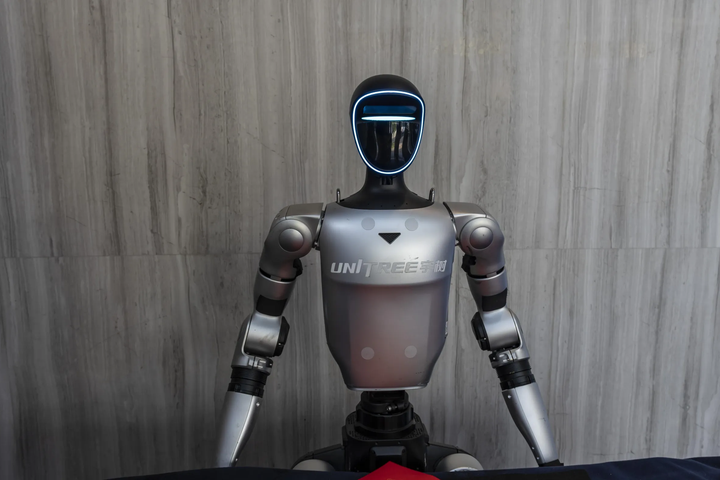
The US technology restrictions are moving beyond chips and telecoms. Robots and power equipment are now part of the national-security perimeter.
What happened
The Federal Communications Commission added foreign-produced advanced robots and power inverters to its Covered List, classifying the equipment as presenting an unacceptable risk to US national security.
Products on the list generally cannot receive the FCC equipment authorisation needed to enter the US market, although conditional approval may remain possible in certain circumstances. The measure is expected to affect Chinese manufacturers most directly, but its language is broader than a restriction on one named country or company.
Advanced robots can collect visual, spatial and operational data from factories, warehouses, homes or public infrastructure. Power inverters sit inside solar installations, batteries and other energy systems, converting electricity and increasingly connecting to software. The policy treats both categories as potential cybersecurity entry points rather than merely physical hardware.
Why it matters
For robotics companies, market access may now depend on where a product is manufactured, which components it uses and how its software communicates. That could reshape procurement for humanoids, quadrupeds and industrial robots, particularly in sensitive facilities.
For energy infrastructure, the concern is that remotely connected inverters could expose grid operations or allow an outside party to disrupt equipment. The rule therefore connects climate hardware with the same supply-chain security questions already applied to telecommunications.
The bigger picture
Restrictions can create opportunities for US and allied suppliers, but they may also raise costs and reduce the number of available products. Companies will need clearer documentation of component origin, software security and data handling.
The Covered List is an important policy signal, but it does not amount to an immediate blanket removal of every foreign robot or inverter already in use. The practical effect will depend on how the FCC defines affected equipment, applies conditional approvals and coordinates with other agencies.
The larger shift is still clear: as machines become connected and autonomous, governments increasingly see them as part of digital infrastructure. Robotics startups will need to design for security, provenance and regulatory access from the beginning.