
US Restricts Chinese Robotics Hardware
New import restrictions show robotics and power electronics becoming part of strategic AI infrastructure.
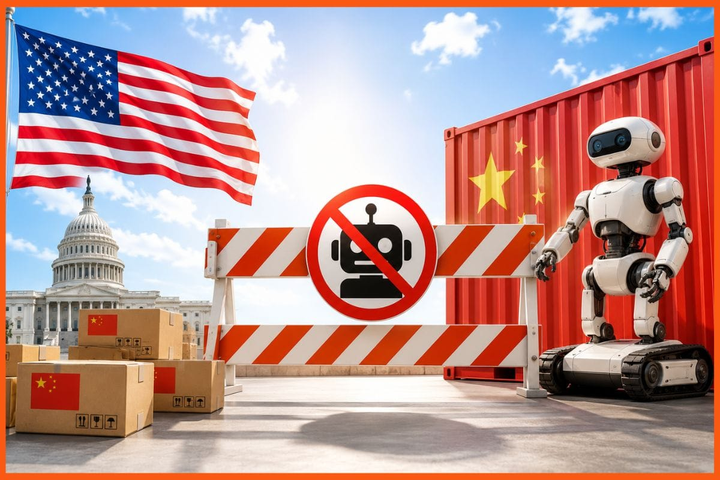
Robotics hardware is becoming part of the broader AI supply-chain fight.
What happened
The US announced restrictions on imports of certain Chinese robots and power inverters, citing national-security concerns. The move sits inside a wider policy push around AI, robotics, data-centre infrastructure and critical hardware supply chains.
The affected categories matter because robots and power electronics increasingly connect to sensitive operational environments. They can sit inside factories, logistics sites, energy systems and infrastructure networks where software, sensors and connectivity create security questions.
Why it matters
This is a policy story, but it has a startup-market signal. When governments restrict foreign hardware, they can create openings for domestic or allied suppliers in robotics, industrial automation, power electronics and energy infrastructure.
The challenge is scale. Replacing lower-cost imported hardware is not just a matter of founding new startups. It requires manufacturing capacity, standards, procurement channels and customers willing to pay for trusted supply.
The bigger picture
AI sovereignty is no longer only about chips and models. It is expanding into robots, power systems, sensors and the physical devices that connect AI to the real world. That creates opportunities, but also raises costs across the hardware stack.