
U.S. regulators tell autonomous vehicles to stop obstructing first responders
A federal directive puts emergency-scene behaviour at the centre of the autonomous-vehicle safety debate and demands near-term fixes from developers.
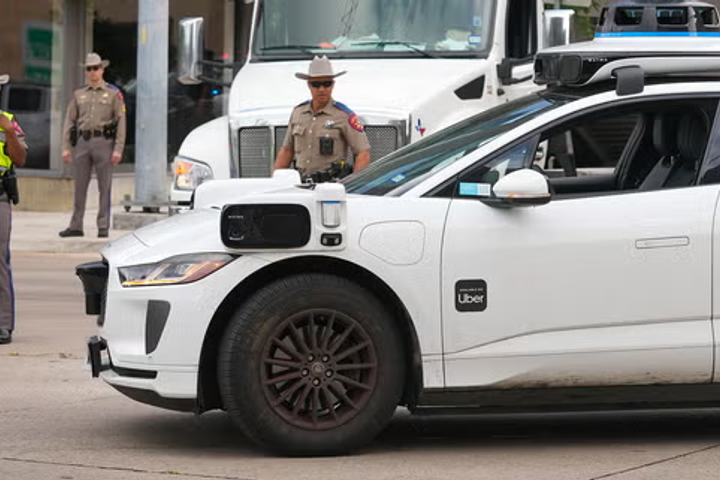
Autonomous vehicles are being pushed to prove they can handle emergency scenes as reliably as ordinary traffic.
What happened
The U.S. National Highway Traffic Safety Administration issued a directive to autonomous-vehicle developers after identifying what it described as a pattern of driverless vehicles interfering with law enforcement and first responders.
The agency cited cases involving vehicles entering active emergency scenes, blocking ambulances or firefighters, or failing to respond appropriately to signals such as flashing lights, smoke, fire, flares and traffic cones.
Developers were asked to present solutions by the end of the month.
Why it matters
Emergency scenes are not rare edge cases.
A robotaxi system that performs well in ordinary traffic but cannot reliably interpret unusual human-led situations creates a serious operational problem for cities.
The directive raises the bar from general road competence toward context-aware behaviour around public safety.
The bigger picture
Autonomous driving is entering a tougher phase of regulation.
As deployments scale, regulators are focusing less on whether vehicles can drive and more on whether they can coexist with the full complexity of urban systems. First-responder interaction is becoming a concrete test of readiness.