
The US Puts $300M Behind AI’s Optical Bottleneck
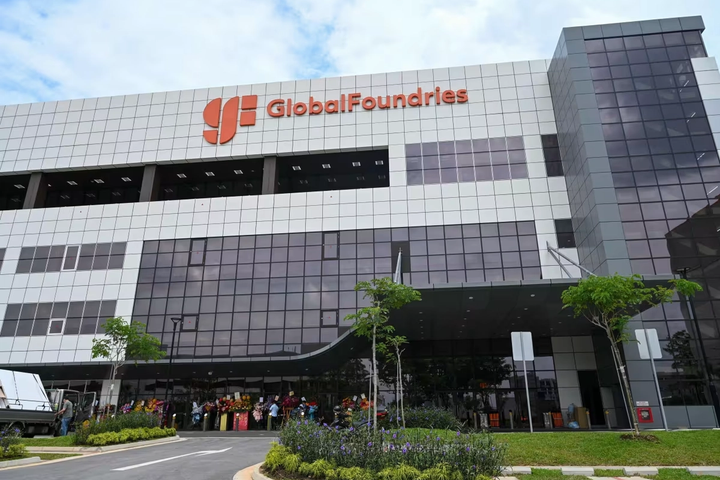
The US Commerce Department will award GlobalFoundries $300 million to research silicon photonics and co-packaged optics for faster, more efficient AI-chip connections.
AI chips can process data at extraordinary speed. The problem is moving that data between chips without wasting time and electricity.
What happened
The US Commerce Department will award GlobalFoundries $300 million to research silicon photonics and co-packaged optics at facilities in New York and Vermont.
Silicon photonics uses light to transmit information through structures manufactured with semiconductor techniques. Co-packaged optics places optical connections closer to the computing chips, reducing the distance electrical signals must travel.
GlobalFoundries is targeting data-transfer speeds of 400 gigabits per second and a fivefold improvement in energy efficiency. Those goals are forward-looking company claims and not independently verified enough.
Why it matters
Modern AI systems operate across thousands of accelerators. Performance depends not only on how fast each chip calculates, but on how quickly the entire cluster can exchange data. Electrical interconnects face limits in bandwidth, heat and power consumption as systems grow.
Optical links could help relieve that bottleneck by moving more information with less energy. Improvements here may increase the useful performance of AI infrastructure without relying only on faster processors.
The award also has an industrial-policy objective. The US wants more of the optical packaging and manufacturing supply chain located domestically rather than concentrated abroad.
The bigger picture
Co-packaged optics has been discussed for years, but mass deployment is difficult. Optical components must be manufactured and assembled with high precision, operate reliably in hot data-centre environments and fit into existing networking systems.
GlobalFoundries is not competing directly to build the most advanced AI processor. Instead, it is targeting the surrounding technology that allows those processors to work together. That can be a valuable position because communication increasingly determines cluster performance.
The grant is therefore a bet on an enabling layer of AI infrastructure. The next milestones are working prototypes, manufacturing yield and customer adoption—not only laboratory bandwidth targets.