
US Probes Chinese Lidar Security Risk
A US review of Chinese lidar sensors highlights how autonomy hardware is becoming part of the cybersecurity and supply-chain debate.
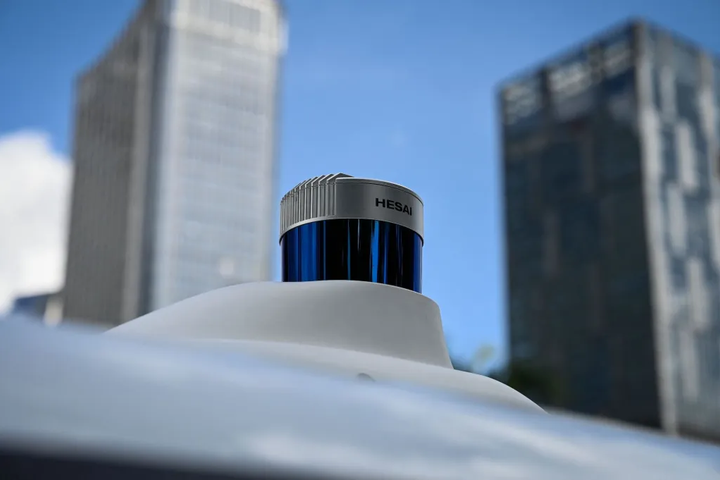
Autonomous-vehicle security is no longer only about software. The hardware supply chain is becoming part of the risk model too.
What happened
A US government lab is investigating whether Chinese lidar sensors could pose security risks if widely deployed in US vehicles. The review is being performed by Idaho National Laboratory and funded by companies in the electric and autonomous-vehicle industries.
Lidar is a key sensing technology for many autonomous driving systems, helping vehicles understand distance, shape and movement around them.
Why it matters
For autonomy startups and automakers, sensors are not interchangeable commodities. If a core sensing component becomes subject to national-security reviews, procurement restrictions or customer concerns, it can affect vehicle design, supply chains and deployment timelines.
This also shows how cybersecurity is expanding from software vulnerabilities into physical infrastructure and connected devices.
The bigger picture
Mobility companies are building in a more geopolitical market. Cameras, chips, lidar, batteries and connectivity systems may all face more scrutiny as governments worry about data, control and dependency on foreign suppliers.