
US fast-charging reliability moves into the mid-90s
Improving charger reliability suggests US EV infrastructure is beginning to move from experimental rollout toward dependable transport utility.
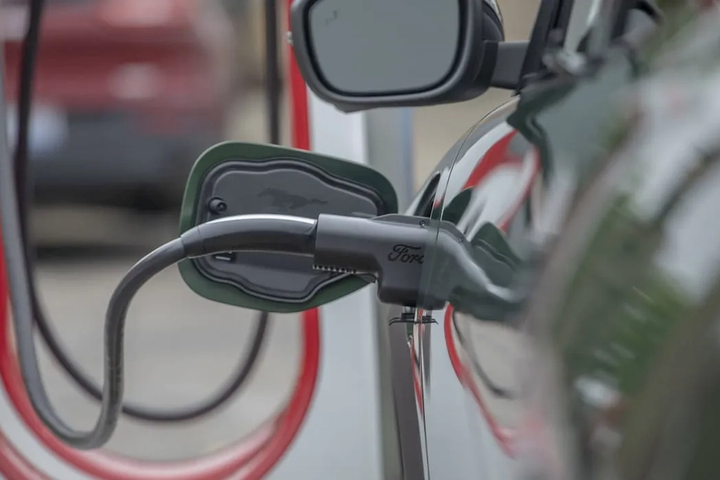
Public fast charging in the US is becoming more dependable, with a major industry reliability measure now reportedly reaching the mid-90s.
What happened
The number of public DC fast chargers has more than doubled since July 2023. Over the same period, a widely used reliability index has improved from around 85 to the mid-90s since last year.
Access to Tesla’s charging network has also made long-distance travel easier for drivers of several non-Tesla electric vehicles, reducing one of the practical barriers to switching away from petrol cars.
Why it matters
The EV charging debate often focuses on how many stations exist. But reliability matters just as much. A charger that is broken, cannot process payment or delivers less power than expected is effectively missing infrastructure.
More dependable fast charging makes electric vehicles easier to use for long trips and for drivers who cannot charge at home. It also improves the economics of fleets that depend on predictable turnaround times.
The bigger picture
The charging market is beginning to look less like a collection of pilot projects and more like a transport utility. That shift is essential for broader EV adoption.
However, national averages can hide major regional differences. The next challenge is not only adding more chargers, but delivering consistent uptime, simple payment systems and enough capacity in the places where drivers actually need them.