
US Closes $5.1B Grid Infrastructure Loan
The US government closes a $5.1 billion loan package for Alliant Energy's power-generation, storage and grid reliability projects.
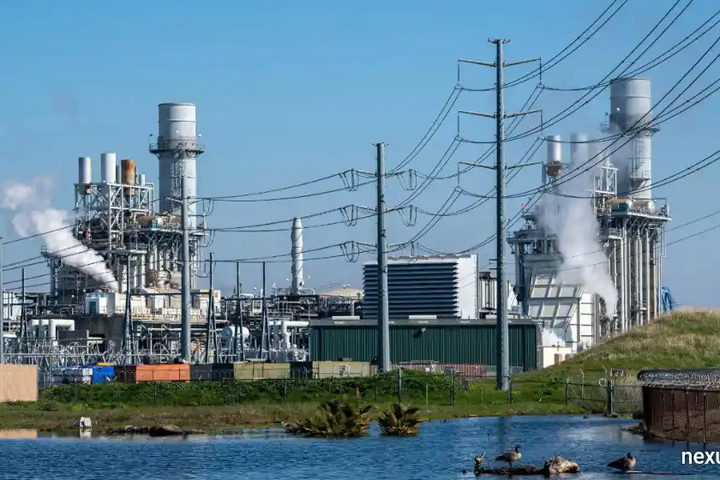
Electricity infrastructure has become a strategic constraint for both industrial growth and data-centre expansion. A major US financing package underscores the scale of the response.
What happened
The US government closed a $5.1 billion long-term loan package for Alliant Energy's operations in Iowa and Wisconsin. The financing will support new natural-gas generation, battery storage and upgrades to existing electricity infrastructure.
The projects are expected to add or improve more than 2.6 gigawatts of generating and storage capacity. Alliant estimates the lower-cost financing could reduce customer bills over the life of the loans, but those projected savings depend on execution and future conditions.
This is a completed financing close that makes capital available for qualifying projects, not an equity investment in an AI startup. It also includes natural-gas infrastructure, so it should not be characterised as an exclusively renewable-energy or zero-carbon programme.
Why it matters
Large electricity users need reliable capacity and predictable costs. Upgrading generation and storage may improve grid resilience and support rising demand from households, industry and computing facilities.
However, the economic and environmental effects vary across the project portfolio. Natural gas involves fossil-fuel emissions, while storage can help manage system flexibility. Investors should assess each asset's economics and permitting requirements separately.
The bigger picture
The AI infrastructure boom is increasing attention on the physical power system. This transaction illustrates how public-sector lending can help finance utility-scale projects, though it is not evidence that every investment is directly tied to AI data centres.