
UniSieve Raises $9M for Low-Energy Industrial Separation
UniSieve has raised $9M to scale membrane technology that could reduce the energy required for industrial separation.
Industrial separation processes consume enormous amounts of energy because they often rely on repeated heating and cooling.
What happened
UniSieve raised a $9 million Series A to scale its membrane technology for separating gases and chemical components.
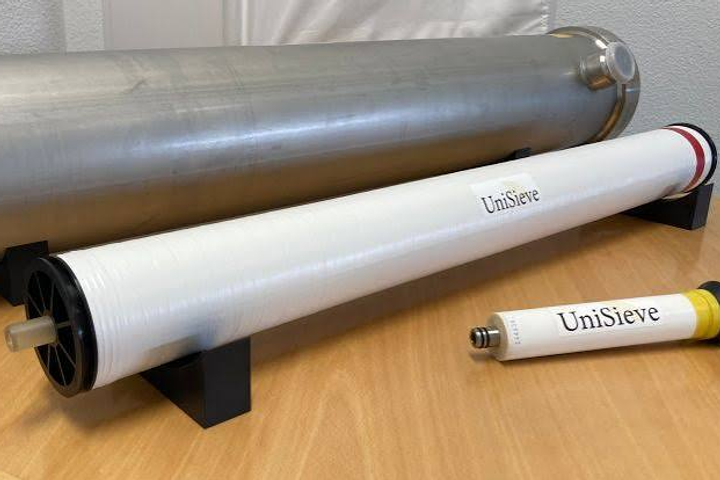
Its system uses engineered molecular sieves that allow selected molecules to pass while blocking others.
The company is initially targeting industrial applications including olefin production and carbon capture.
Why it matters
Distillation and other thermal separation processes are among industry's largest hidden energy loads.
Replacing even part of that infrastructure with membranes could reduce energy consumption and emissions while shrinking the physical footprint of processing equipment.
The bigger picture
Industrial decarbonisation increasingly depends on technologies that improve existing processes rather than replacing entire industries.
UniSieve is targeting a fundamental unit operation used across chemicals, energy and manufacturing.
If the technology proves durable and economical at scale, the addressable market could extend far beyond its first applications.