
UK Data Centres May Have to Pay for Grid Space
Ofgem is consulting on commitment fees and milestones intended to remove speculative data-centre projects from the UK grid-connection queue.
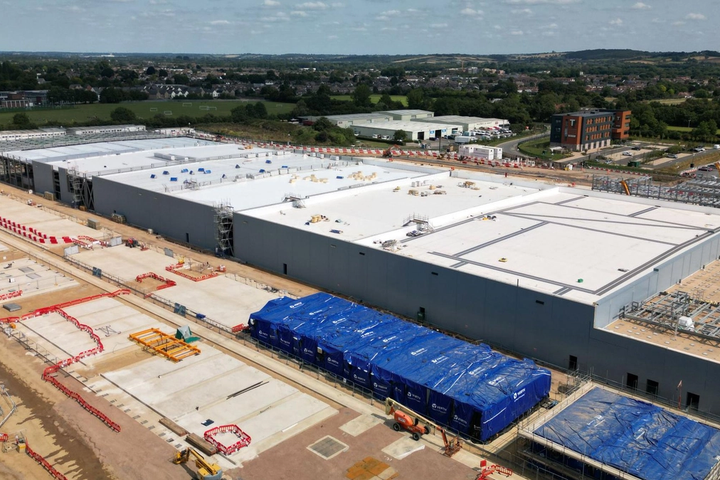
A place in the UK’s grid queue has become valuable enough that regulators may ask data-centre developers to put real money behind it. Ofgem wants to separate credible projects from speculative applications.
What happened
Ofgem opened a consultation on commitment fees and development milestones for data centres seeking UK grid connections.
The proposed refundable fee would range from £237,500 to £712,500 per megawatt. A developer could recover the fee if its project meets the required process, but may forfeit it by leaving the queue early.
UK grid applications reportedly increased from 41GW to 125GW, with data centres accounting for at least 80GW. Some applications may represent projects that lack financing, land or a realistic construction plan, yet still occupy a position in the connection process.
Why it matters
Grid capacity is scarce, and speculative requests can delay projects that are genuinely ready to build. Requiring developers to risk capital could remove weak applications and provide a clearer picture of future electricity demand.
For data-centre companies, the proposal would make grid access a larger upfront financial decision. Projects may need stronger evidence of funding, customers and development progress before joining or remaining in the queue.
The policy could also affect AI infrastructure strategy. Developers may look harder at on-site generation, batteries, flexible demand or locations with more available power.
The bigger picture
The fee is still a consultation proposal, not final policy. Its design matters. If set too low, it may not deter speculative projects; if set too high, it could favour the largest developers and prevent credible smaller entrants from competing.
Connection applications are also only one part of the bottleneck. The UK still needs new generation, transmission, substations and faster planning decisions. Cleaning the queue cannot create electricity on its own.
Even so, the consultation shows that data centres are changing the economics of the grid. Access to power is becoming an asset that developers must prove they are ready to use, rather than a reservation they can hold without consequence.