
Uber and Waymo clash over who controls robotaxi access
Uber and Waymo are taking opposing positions on Washington, DC robotaxi rules, exposing a deeper fight over platform control in autonomous mobility.
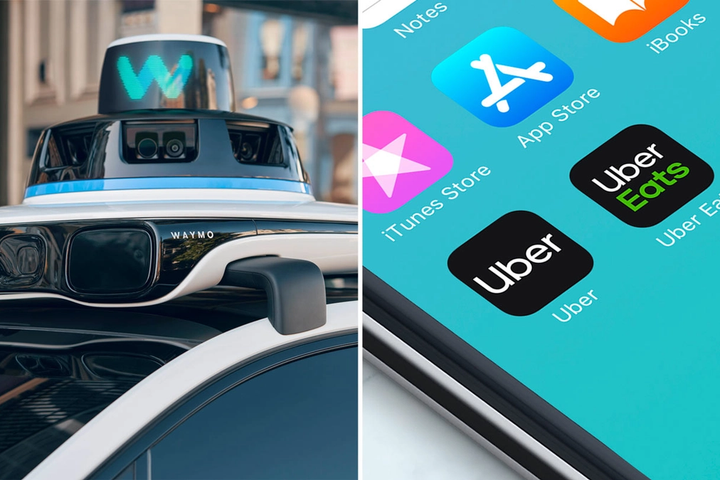
The robotaxi race is becoming a fight over distribution, not just autonomous-driving technology.
What happened
Uber is opposing proposed Washington, DC legislation that would allow fully driverless commercial vehicle operations.
The company is advocating a hybrid model in which autonomous vehicles and human drivers remain accessible through ride-hailing networks. Waymo supports the proposed deployment framework, which would allow autonomous operators to run services more independently.
The disagreement puts two commercial partners on opposite sides of an important policy debate.
Why it matters
Uber and Waymo have different economic incentives.
Waymo benefits from controlling its autonomous fleet and customer experience directly. Uber benefits when mobility providers depend on its marketplace for demand, routing and payments.
The regulatory question is therefore not only whether robotaxis are safe enough to operate. It is also whether autonomous fleets should function as independent transport networks or plug into larger ride-hailing platforms.
The bigger picture
Autonomous mobility could reorganise the relationship between vehicle operators, software platforms and passengers.
As cities create deployment rules, they are also shaping who controls customer access and market power. The companies that dominate robotaxis may not simply be those with the best vehicles, but those that own the strongest distribution layer.