
TidalSense raises €16.6M for rapid lung diagnostics
TidalSense has raised €16.6 million to expand a five-minute respiratory test designed to make COPD diagnosis easier to deliver outside specialist clinics.
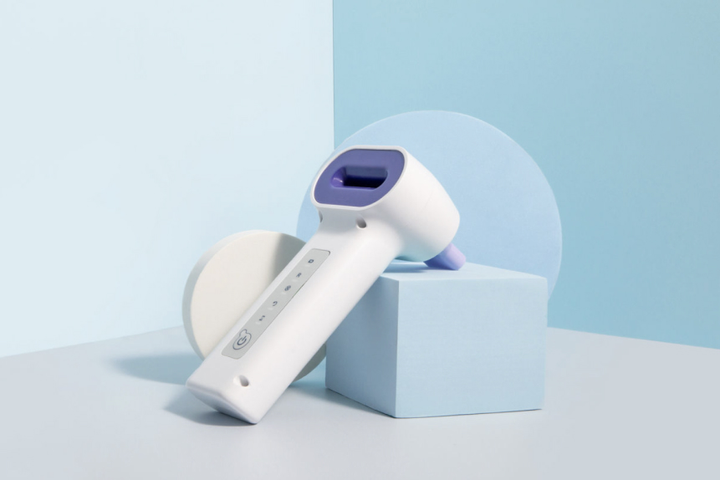
A respiratory test that can be completed during a normal primary-care visit could remove one of the biggest bottlenecks in diagnosing chronic lung disease.
What happened
Cambridge-based TidalSense raised €16.6 million (£14.2 million) from Cross-Border Impact Ventures and returning investors including BGF, Airstream Capital and Foresight Group.
Its handheld N-Tidal device records roughly 75 seconds of normal breathing and analyses the resulting pattern for signs associated with chronic obstructive pulmonary disease, or COPD. The system was developed using a dataset of more than 2.5 million breaths and is already being used in parts of the NHS.
The financing will support international expansion, including preparations for the US market, where the company will still need to complete the relevant regulatory and commercial work.
Why it matters
COPD is common but frequently diagnosed late. Traditional spirometry can require trained staff, repeated breathing manoeuvres and specialist capacity that is not consistently available in community settings.
TidalSense is trying to shift that process toward a shorter, simpler test that can be delivered in primary care. The value is not merely speed: making diagnosis easier to access could help patients begin treatment earlier while reducing pressure on hospital respiratory services.
The bigger picture
Some of the most credible healthcare AI businesses are emerging around measurement and workflow improvement, rather than replacing doctors with automated diagnoses. TidalSense combines a physical medical device, a proprietary respiratory dataset and a clinical deployment pathway—three elements that are harder to replicate than a standalone software model.
The remaining test is whether the system performs consistently across diverse patient populations and whether healthcare providers can integrate it into routine care at an attractive cost.