
Tesla Secures $30B for Cybercab and Optimus
Tesla adds $30B of credit capacity as it prepares for a capital-heavy expansion across robotaxis, robotics and commercial vehicles.
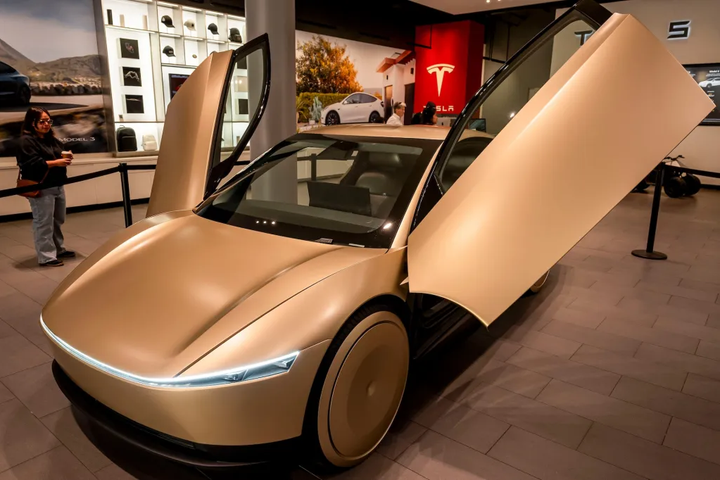
Tesla is giving itself much more financial room as it pushes beyond conventional carmaking into robotaxis, humanoid robots and commercial vehicles.
What happened
Tesla secured $30 billion of new credit capacity through three facilities: a $20 billion three-year delayed-draw facility from Citibank, plus revolving facilities of $8 billion and $2 billion from Wells Fargo. The company said it does not currently expect to draw on the facilities in 2026.
The timing matters because Tesla has already projected at least $25 billion of capital expenditure this year as it expands manufacturing capacity for Cybercab, Optimus and the Semi.
Why it matters
This is less about an immediate cash shortage than about financial flexibility. Building factories, production lines, robotics capacity and supporting infrastructure requires far more capital than shipping software.
Tesla is effectively preparing its balance sheet for a transition in which a larger share of its growth story depends on physical deployment of AI-enabled products.
The bigger picture
The next phase of AI is increasingly tied to industrial spending. Robotaxis, humanoid robots and autonomous vehicles may be software-led products, but scaling them requires factories, supply chains, energy and financing.
Tesla's new credit lines show how quickly the AI race is becoming a capital-markets and infrastructure story as much as a software one.