
Tesla Partners With Turo to Expand FSD
Tesla and car-sharing platform Turo introduce a way for renters to identify vehicles equipped with Full Self-Driving (Supervised).
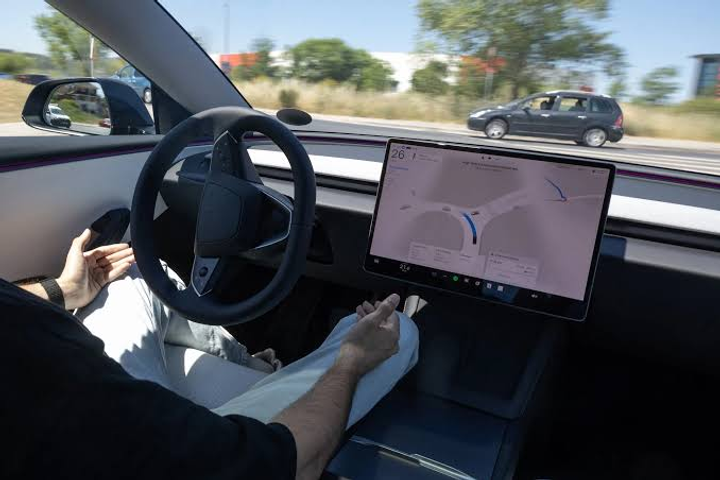
Tesla is taking its advanced driver-assistance software into the car-rental market, turning short-term access to a vehicle into a potential way to introduce more drivers to its paid features.
What happened
Tesla and Turo announced an integration that will indicate which Teslas listed on the car-sharing platform have Full Self-Driving (Supervised), or FSD, enabled.
Turo will access Tesla's API to verify the feature's availability on participating vehicles. Eligible hosts who rent out their Teslas will receive a one-month trial. Renters will receive information explaining that they must monitor the system and be ready to take control.
Tesla recently said around 1.7 million customers worldwide had paid for FSD. Despite the product name, FSD (Supervised) is a driver-assistance system, not a driverless service. The person behind the wheel remains responsible for the vehicle.
Why it matters
Car-sharing provides access to prospective customers who may not yet own a Tesla. Letting them experience the software in a real vehicle could help Tesla convert interest into future subscriptions or vehicle purchases.
Turo may also benefit if the feature increases demand for participating cars and gives hosts another way to distinguish listings.
Both sides need to manage user understanding carefully. A rental driver may have less experience with the vehicle's controls and limitations than an owner, making clear instructions and appropriate supervision particularly important.
The bigger picture
Automotive software is becoming a product with its own distribution and recurring-revenue strategy. Partnerships with third-party platforms can broaden adoption without opening new showrooms. Tesla's experiment will be judged by safe use and subsequent paid conversion, not simply by how many listings display the feature.