
Tesla Moves Toward Electric Trucking Scale
Tesla is moving closer to wider Semi deliveries after years of delays, but charging remains a major scaling constraint.
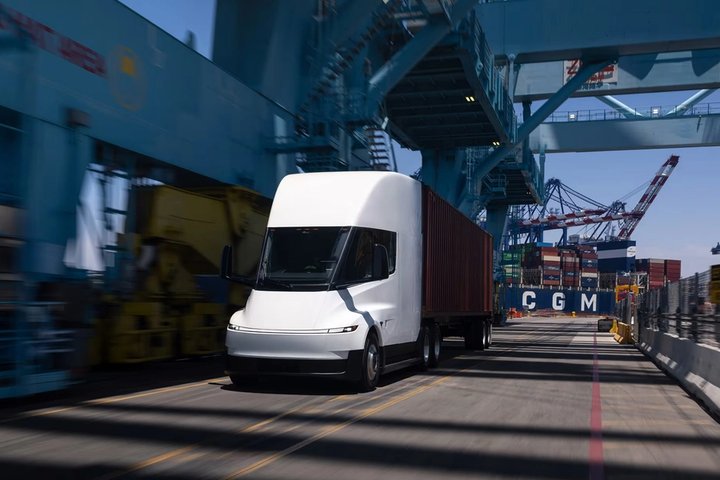
Electric trucking is one of the hardest parts of transport to decarbonise, and Tesla is finally moving closer to broader Semi deployment.
What happened
Tesla is moving toward wider Semi truck deliveries after years of delays.
Customers will be able to take delivery when trucks are ready, but charging infrastructure remains a major hurdle. Tesla has previously discussed plans to build up to 50,000 trucks per year at its plant.
The update does not mean full-scale freight electrification has arrived, but it moves the Semi closer to commercial availability beyond limited deployments.
Why it matters
Heavy-duty trucking has very different economics from passenger EVs.
Fleet operators need reliable charging, predictable route planning, high utilisation and confidence that trucks can handle demanding freight schedules. Vehicle availability is only one part of the equation.
If Tesla can scale the Semi, it could put pressure on incumbent truckmakers and accelerate investment in electric freight infrastructure.
The bigger picture
The next phase of mobility electrification is increasingly about commercial vehicles.
Passenger EV adoption has already reshaped automakers, but trucks, vans and fleets could have an even larger impact on emissions and infrastructure demand if the economics work.