
Tankers Hacked as Maritime Cyber Risk Grows
US authorities boarded two oil tankers after indications that onboard systems had been compromised by hackers.
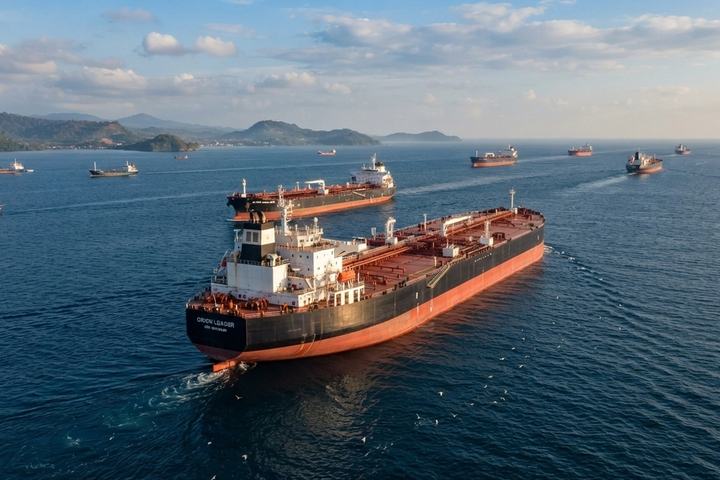
A cyber incident involving US-bound oil tankers is highlighting how attacks on digital systems can spill directly into physical infrastructure.
What happened
US Coast Guard and FBI teams boarded two oil tankers after indications that their networks had been compromised.
One vessel was reportedly affected across systems including navigation, propulsion and cargo operations.
Authorities said there were no reported crew-safety, stability or environmental impacts, and attribution remains unclear.
Why it matters
Modern ships rely on interconnected operational technology and IT systems.
That creates efficiency but also opens paths through which a cyberattack can potentially affect navigation, machinery or cargo handling rather than simply steal information.
For energy shipping in particular, disruption can have consequences for logistics, safety and supply chains.
The bigger picture
Cybersecurity is increasingly a physical-infrastructure issue. Ships, factories, grids and transport systems all depend on software that was not always designed for hostile network environments. As operational technology becomes more connected, governments and companies will need stronger segmentation, monitoring and incident-response capabilities to keep digital compromises from becoming physical disruptions.