
SWISSto12 raises €61M as sovereign satellite demand grows
The Swiss company is scaling compact geostationary satellites and 3D-printed communications payloads as governments seek more control over space infrastructure.
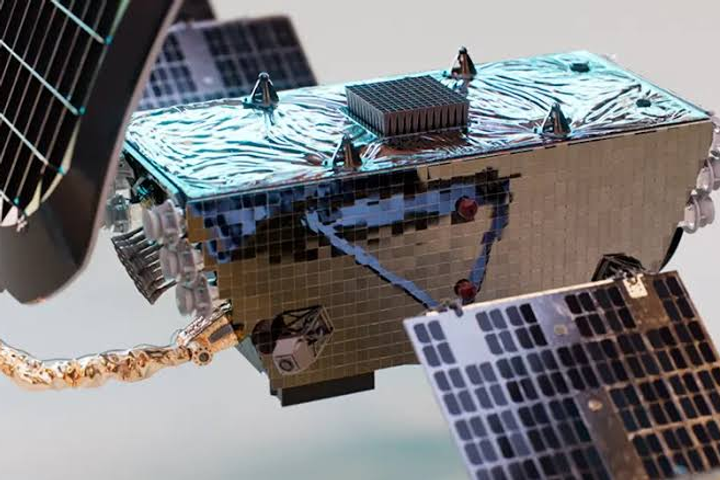
SWISSto12 has raised €61M to scale a satellite business that sits between component manufacturing and traditional large-spacecraft programmes. Its pitch is increasingly aligned with Europe’s demand for smaller, more sovereign communications infrastructure.
What happened
The Lausanne-based company closed a €61M Series C to expand its satellite-payload and compact geostationary-satellite operations. The investor list was not disclosed.
SWISSto12 uses manufacturing methods including 3D printing to produce radio-frequency payload components. It also develops HummingSat, a smaller geostationary satellite platform designed to deliver communications capacity without the cost and mass of traditional large satellites.
The company reports more than $500M in contracted business, seven HummingSat contracts and over 2,000 payload components already operating in orbit. These figures are company-reported, but they indicate that SWISSto12 has moved beyond laboratory development into contracted commercial programmes.
Why it matters
Satellite communications are becoming strategically important for governments, telecom operators and defence customers. Smaller platforms can reduce development time and allow customers to procure capacity without relying on a handful of large satellite primes.
SWISSto12 also provides a European manufacturing route for payloads and spacecraft, which matters as countries seek more control over critical communications infrastructure.
The bigger picture
The round reflects a wider shift toward more modular and diversified satellite architectures. SWISSto12 must still execute complex programmes on schedule, manage launch dependencies and convert contracted orders into reliable margins. The undisclosed investor base also limits visibility into who is financing the expansion. Even so, its existing orbital hardware and contract backlog make this a more mature space-tech story than a typical early-stage satellite startup.