
Supreme Court limits geofence warrants
The U.S. Supreme Court ruled that geofence location data is protected by privacy rights, raising the bar for government requests to tech companies.
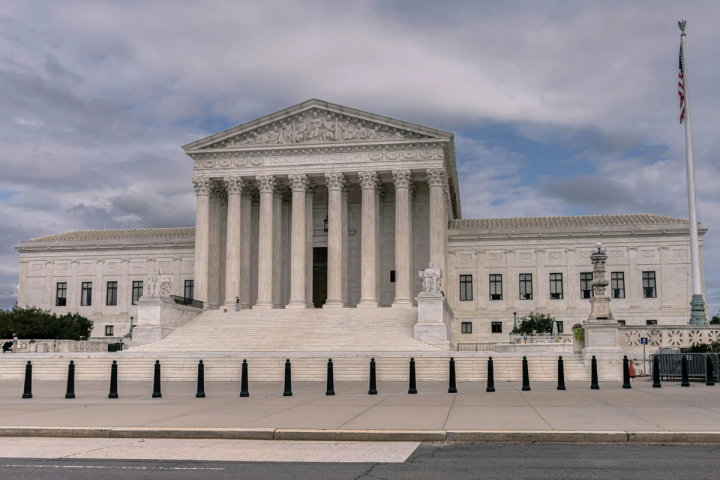
Location data is one of the most sensitive forms of digital information. A new ruling raises the legal bar for how authorities can access it.
What happened
The U.S. Supreme Court ruled that people have a reasonable expectation of privacy in cellphone location data.
That means authorities need a search warrant to request geofence location data from tech companies. The ruling does not ban geofence warrants entirely, but it does make broad access to location data harder.
Why it matters
Many consumer apps and platforms collect or process location signals in some form. Stronger legal protections can affect how tech companies store data, handle government requests and design privacy controls.
For users, it is a reminder that location data is not just a convenience feature. It can reveal sensitive patterns about where people live, work, travel and gather.
The bigger picture
Privacy regulation is moving deeper into platform operations. Courts and regulators are increasingly treating data access, retention and disclosure as core product-risk issues.
For tech companies, the compliance question is no longer just whether data is useful. It is whether collecting and keeping it creates legal, reputational and user-trust risk.