
Suno adds watermarking for AI music
Suno is adding watermarking and fingerprinting tools as AI music faces pressure around provenance and rights.
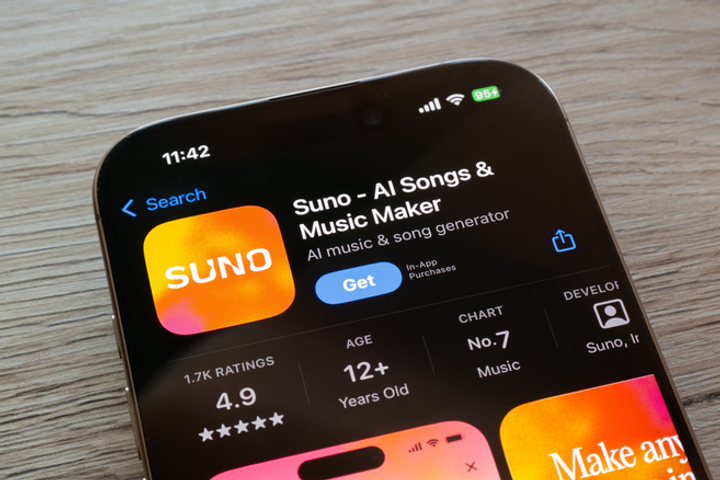
AI music is moving from novelty to infrastructure problem. The question is no longer only whether a model can generate a convincing song, but whether platforms can track, identify and govern what gets generated.
What happened
Suno announced plans to add watermarking, fingerprinting and policy changes to make AI-generated music easier to identify and manage.
The company also signed with Musixmatch for copyright-detection tooling. The move is aimed at improving provenance and helping platforms, rights holders and users distinguish AI-generated music from other content.
Why it matters
AI music platforms face a difficult trust problem. If generated tracks flood streaming services or social platforms without clear labelling, it becomes harder to manage spam, copyright risk and artist attribution.
Watermarking and fingerprinting are not just compliance features. They may become part of the core infrastructure that allows AI-generated media to be distributed at scale without breaking platform trust.
The bigger picture
The AI media market is entering its governance phase. Text, images, video and music all face the same basic question: how do you prove where content came from? Suno’s move suggests that provenance tools may become table stakes for generative-media companies, especially as copyright disputes and platform rules tighten.