
Substack adds AI detection to newsletters
Substack is giving readers a way to estimate AI involvement in posts, turning authorship transparency into a platform feature.
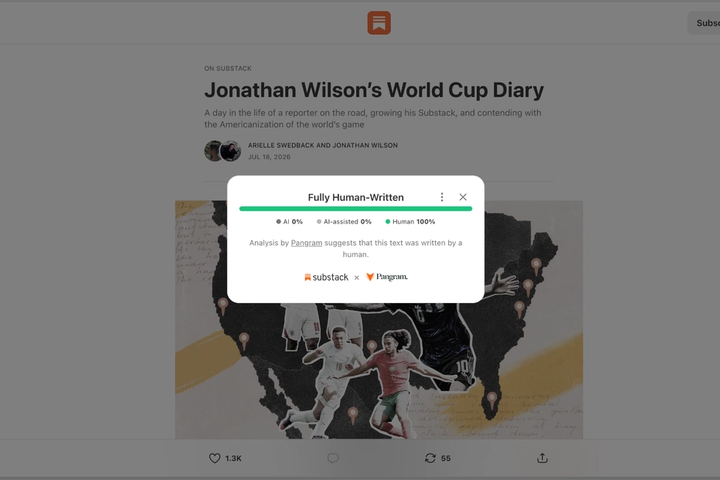
As AI-generated writing becomes common, publishing platforms face a new trust problem: readers may not know whether the voice they are paying to follow represents a person’s work, an automated system or a mixture of both.
What happened
Substack integrated text-detection technology from Pangram into its reader experience. Users can request an estimate of how much AI assistance may be present in posts, notes, replies and comments longer than 100 words.
The feature is available on the web and iOS, with Android support planned. Writers can also scan drafts before publication and add a statement explaining how they create their work. Creators are able to disable detection for individual posts, in which case readers see that an analysis is unavailable.
Substack has framed the move as a transparency tool rather than a ban on AI. The detector estimates likely authorship patterns; it cannot determine whether a piece is thoughtful, accurate or ethically produced.
Why it matters
Substack’s business depends on trust between writers and paying readers. Undisclosed automation threatens that relationship because subscribers may believe they are purchasing a person’s analysis when they are receiving largely generated material.
However, AI detection is probabilistic and can produce both false positives and false negatives. Presenting a percentage inside the product may therefore create a misleading sense of certainty or unfairly damage a writer’s reputation.
The bigger picture
Platforms are beginning to treat content provenance as a product-design problem. Labels, disclosures and creation notes may become standard features in publishing, education and professional networks.
The harder question is whether detection can keep pace with new models and editing techniques. Durable trust may ultimately require a combination of disclosure norms, verified production records and audience judgement—not a single score generated after publication.